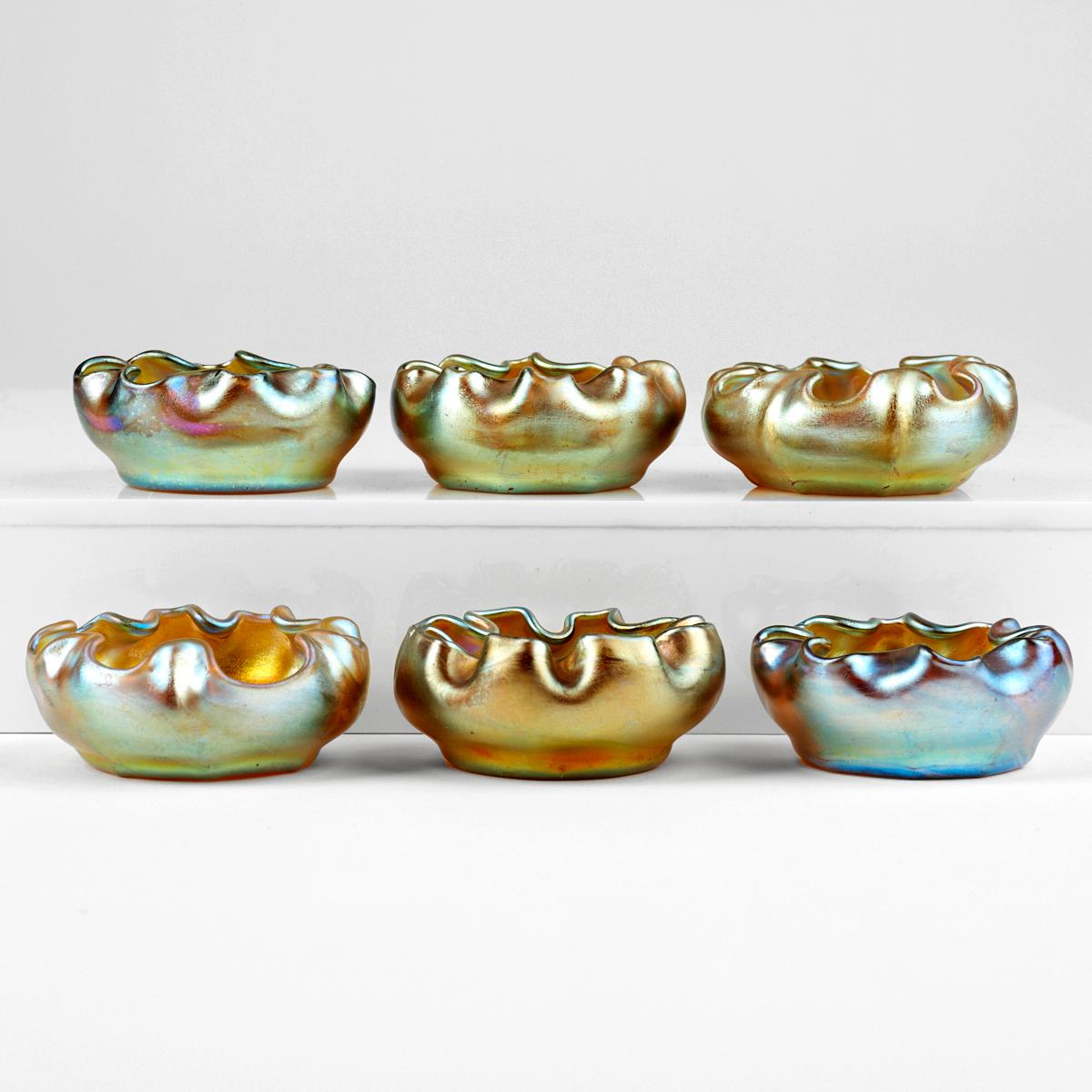
The Timeless Allure of Favrile Art Glass
We have received top dollar for Favrile. Auction is the best way to quickly and transparently get maximum dollar for your artwork.
Tiffany’s innovations quickly inspired leading studios on both sides of the Atlantic. Renowned makers such as Quezal Glass Company, Steuben Glass Works, and Johann Loetz Witwe helped define the Favrile aesthetic, producing works that blended technical experimentation with refined, organic design. Today, these studios represent the pinnacle of collectible art glass from the turn of the 20th century.
How Favrile Glass Is Made
The distinctive beauty of Favrile glass lies in its complex production process. Metallic salts and oxides—commonly copper, silver, and iron compounds—are introduced into molten glass, creating an iridescent surface that shifts color as it catches the light.
Through careful reheating, blowing, and molding, artisans achieve richly layered hues and flowing textures that feel both natural and ethereal.
The resulting objects, such as vases, bowls, lamps, and decorative forms, are immediately recognizable for their vibrant coloration, fluid silhouettes, and luminous finish. No two pieces are exactly alike, making each example a unique expression of the artist’s hand and technical mastery.
Favrile Glass and the Art Nouveau Movement
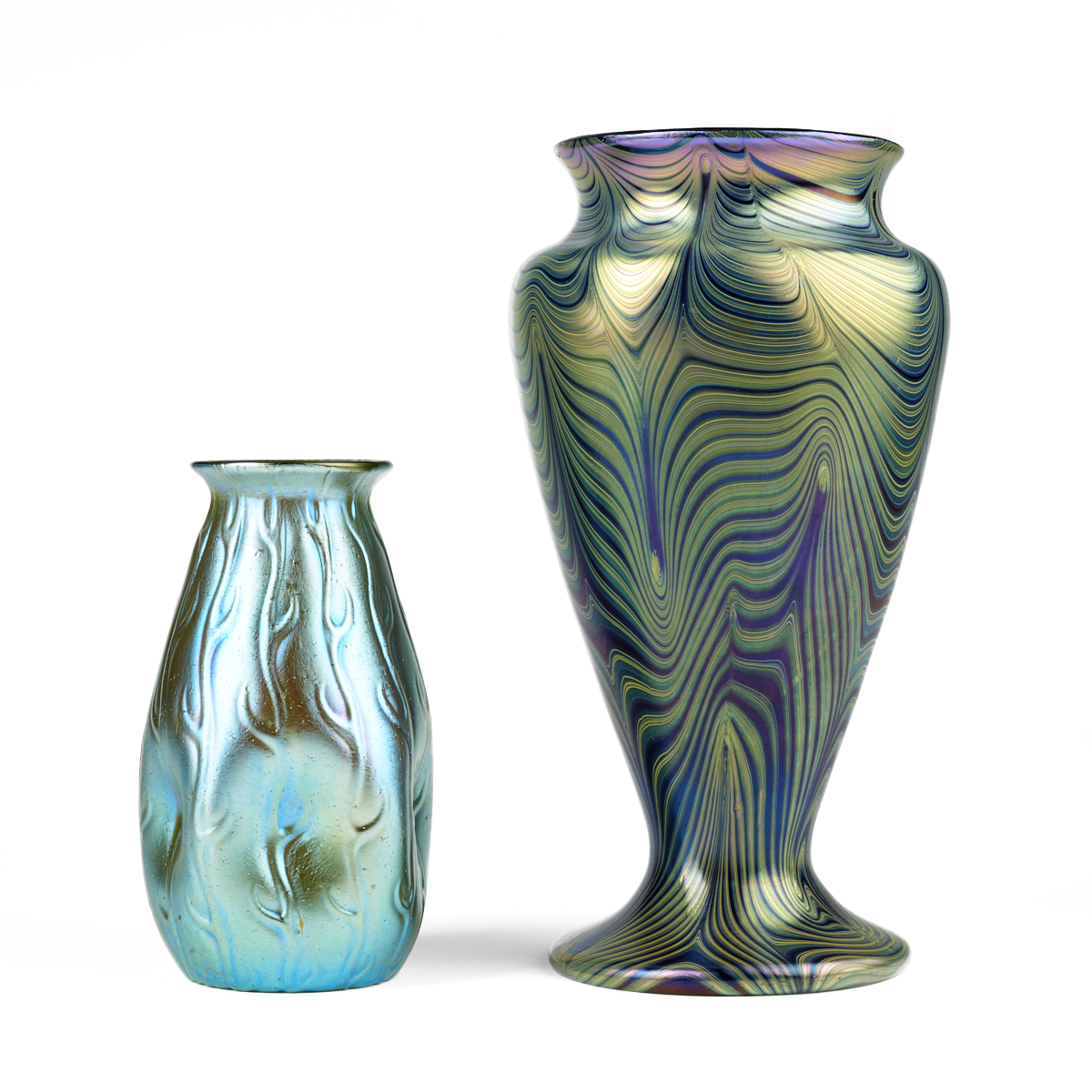
In Europe, Loetz developed its celebrated Phänomen finishes, featuring metallic, color-shifting surfaces inspired by nature and the flowing forms of the Secessionist movement. In the United States, Quezal adopted iridescence techniques influenced by Tiffany while incorporating its own evolving aesthetic, later reflecting elements of Art Deco. Steuben, meanwhile, explored refined forms and innovative color palettes that mirrored changing tastes and the rise of luxury consumer culture.
Innovation, Craftsmanship, and Collectibility
These studios were not merely imitating natural forms—they were innovating. Tiffany collaborated with designers such as Agnes Northrop, whose Favrile vases often feature exotic floral motifs and exceptional surface complexity. Across Europe and America, glassmakers pushed technical boundaries, producing works that remain benchmarks of quality and design.
Today, Favrile glass is highly sought after by collectors, with exceptional examples from Tiffany, Loetz, Quezal, and Steuben consistently drawing strong interest at auction. Condition, color, form, and provenance all play a critical role in determining value, making expert evaluation essential.
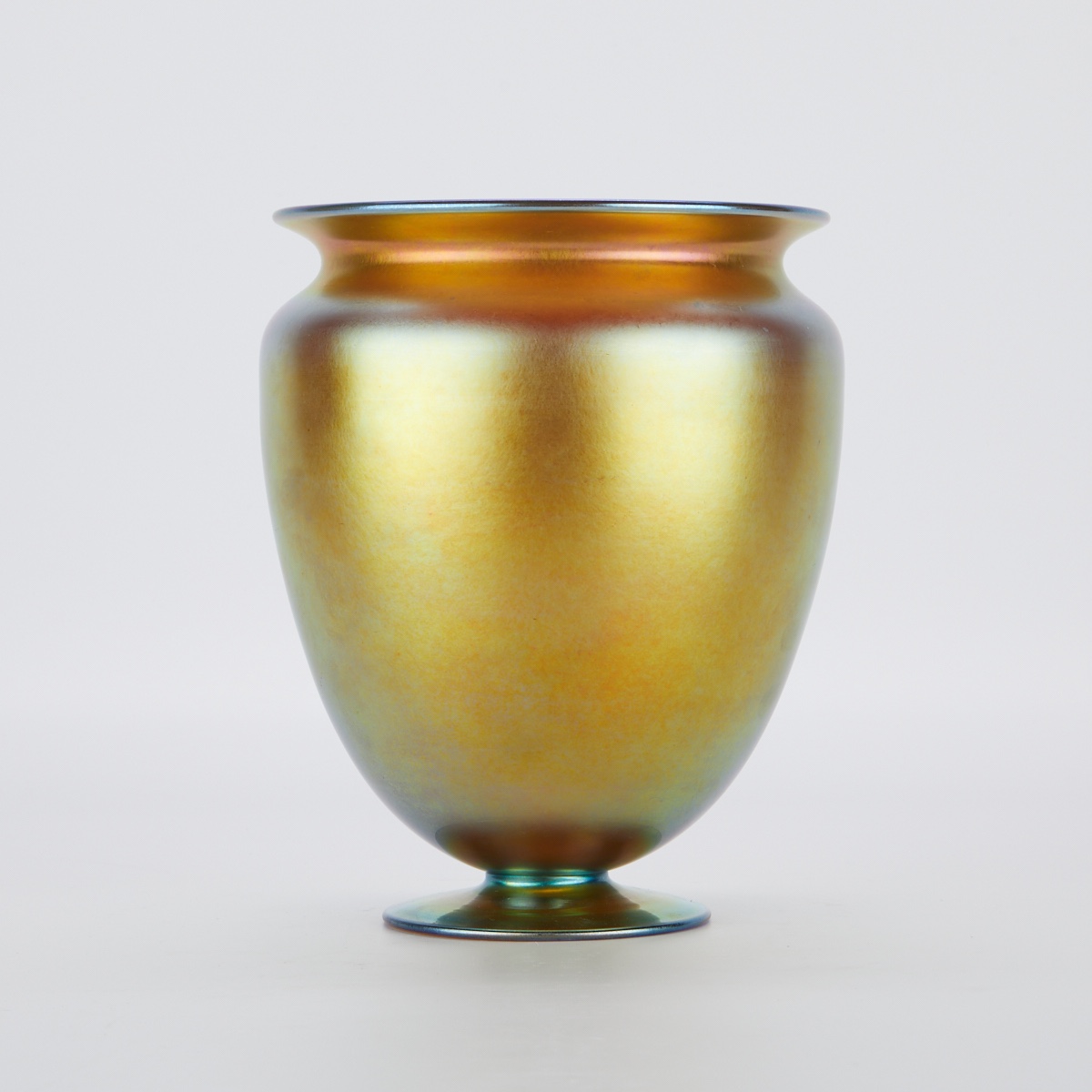
Favrile Glass at Auction
At Revere Auctions, we specialize in collectible art glass, including Favrile works from leading American and European studios. We offer professional art glass evaluations, comprehensive estate handling, and access to a global network of knowledgeable buyers.
For collectors and estates, consigning Favrile, Tiffany, Loetz, or Quezal glass to auction is an opportunity to place historically significant pieces into the hands of new stewards while preserving their provenance and legacy. Whether you own a single iridescent vase or an extensive collection, Revere’s full-service approach—from valuation through sale—ensures each piece is presented with the care and expertise it deserves.
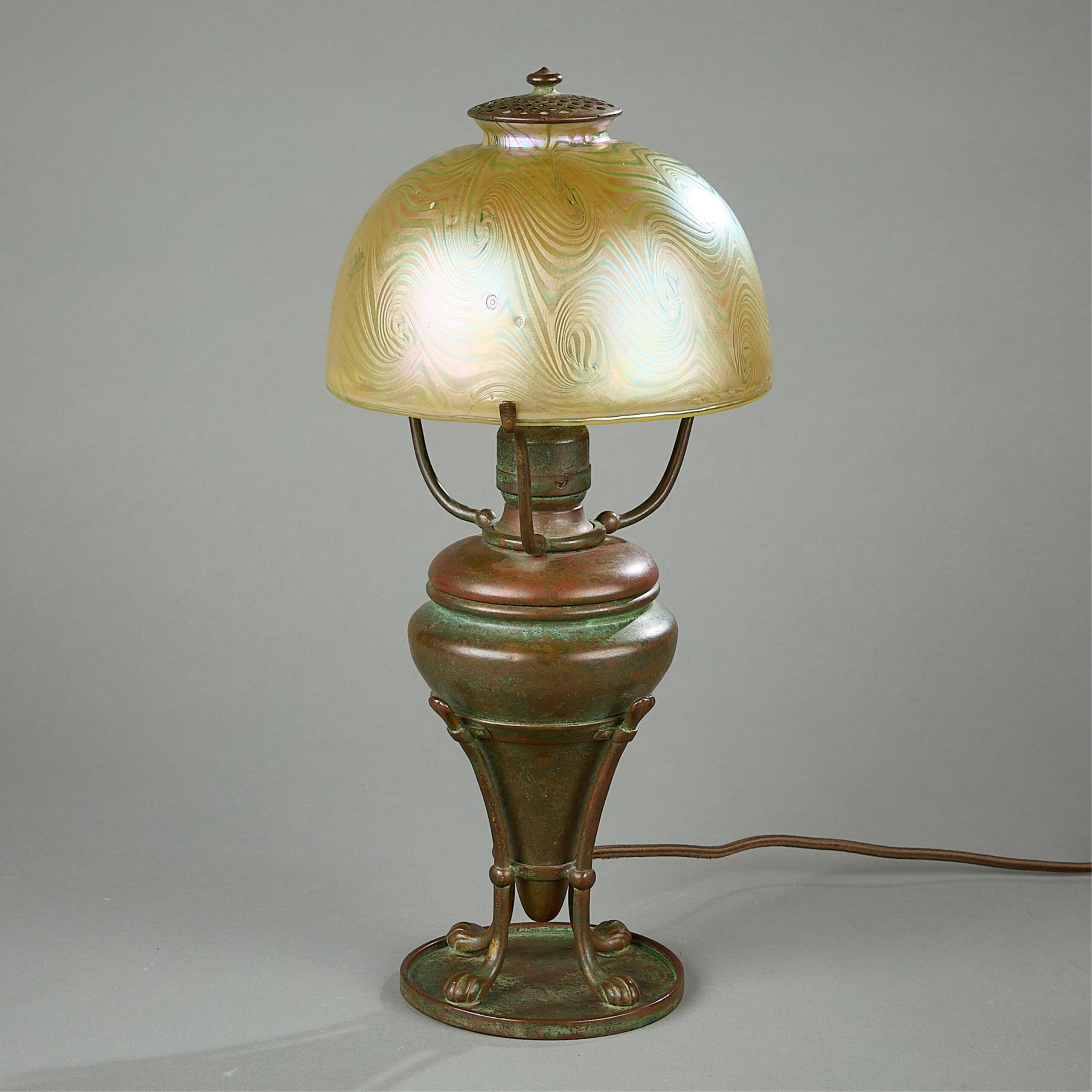
Tiffany Bronze Table Lamp w/ Shade Model 459
Sold For $6,000
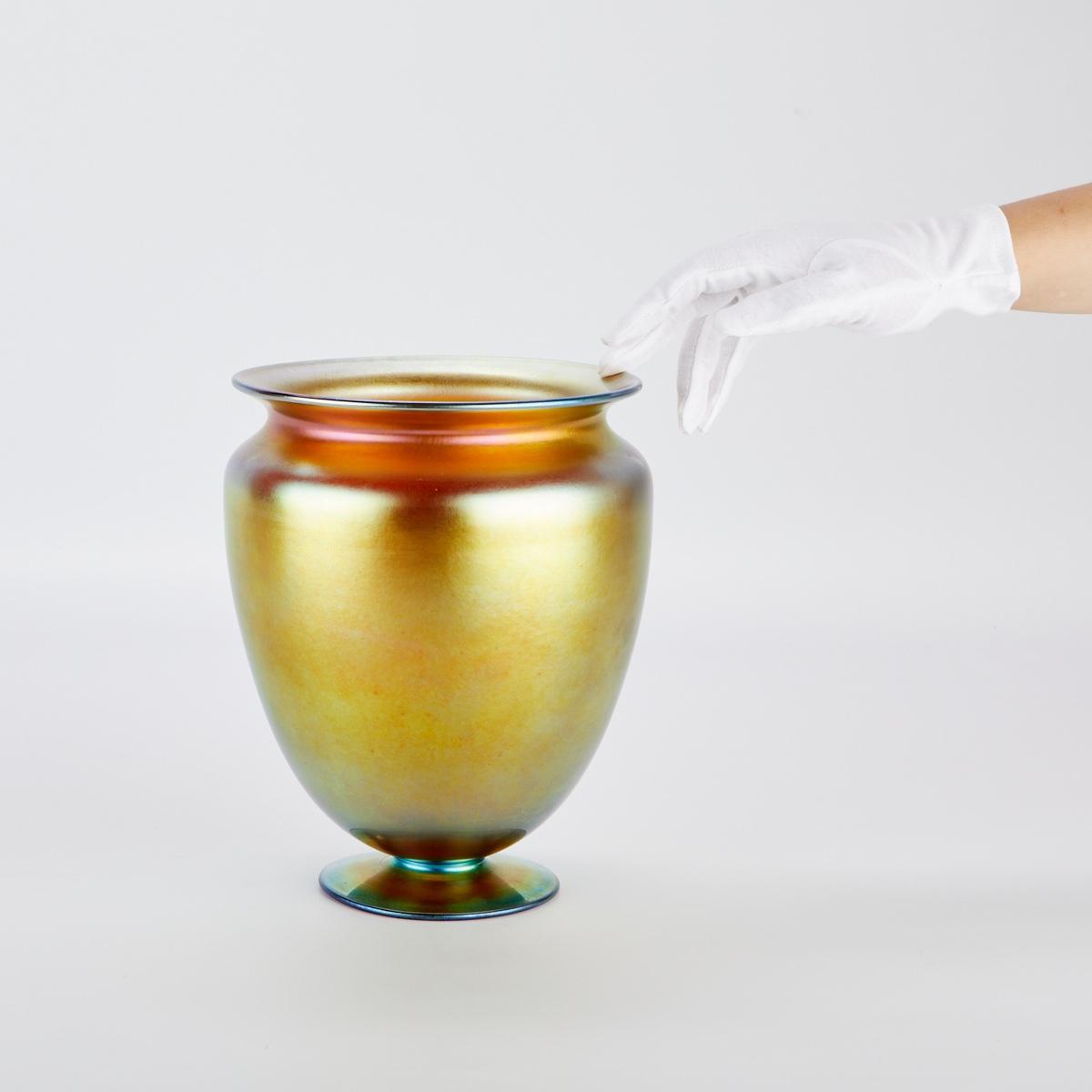
Large Aurene Steuben Iridescent Art Glass Vase
Sold For $2,600
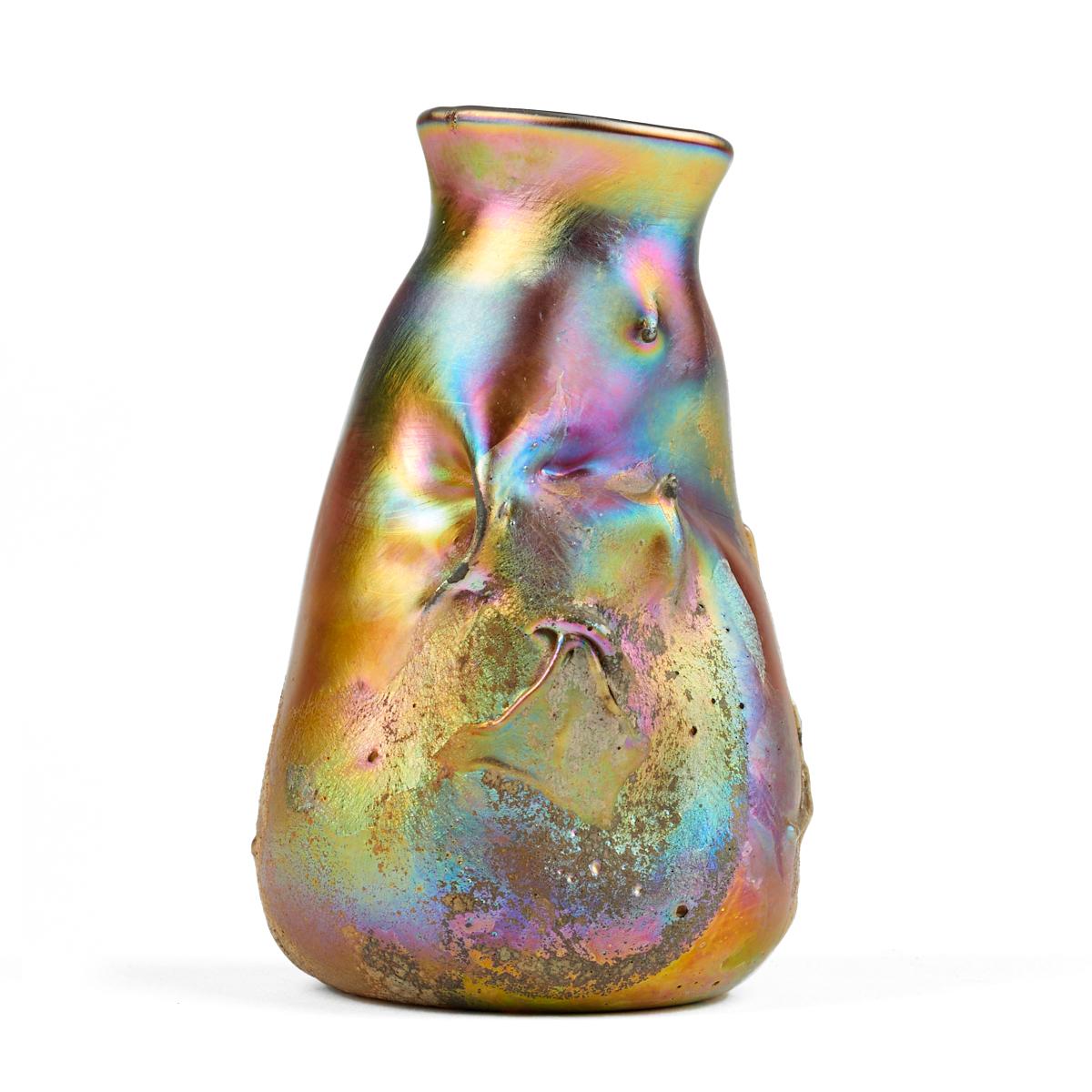
Tiffany Favrile Art Glass Experimental Small Vase
Sold for $700
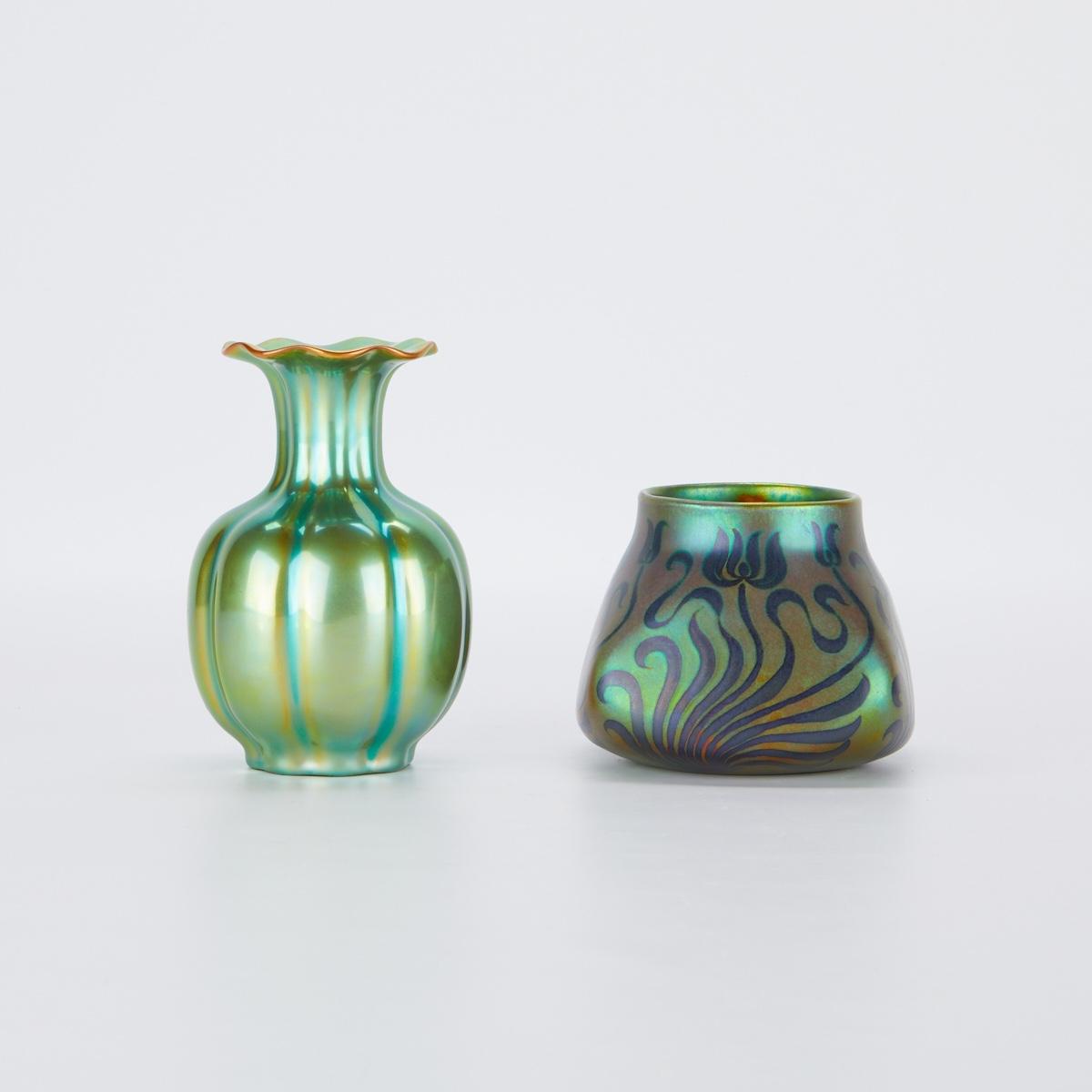
Grp 2: Zsolnay Eosin Porcelain Vases
Sold For $1,300
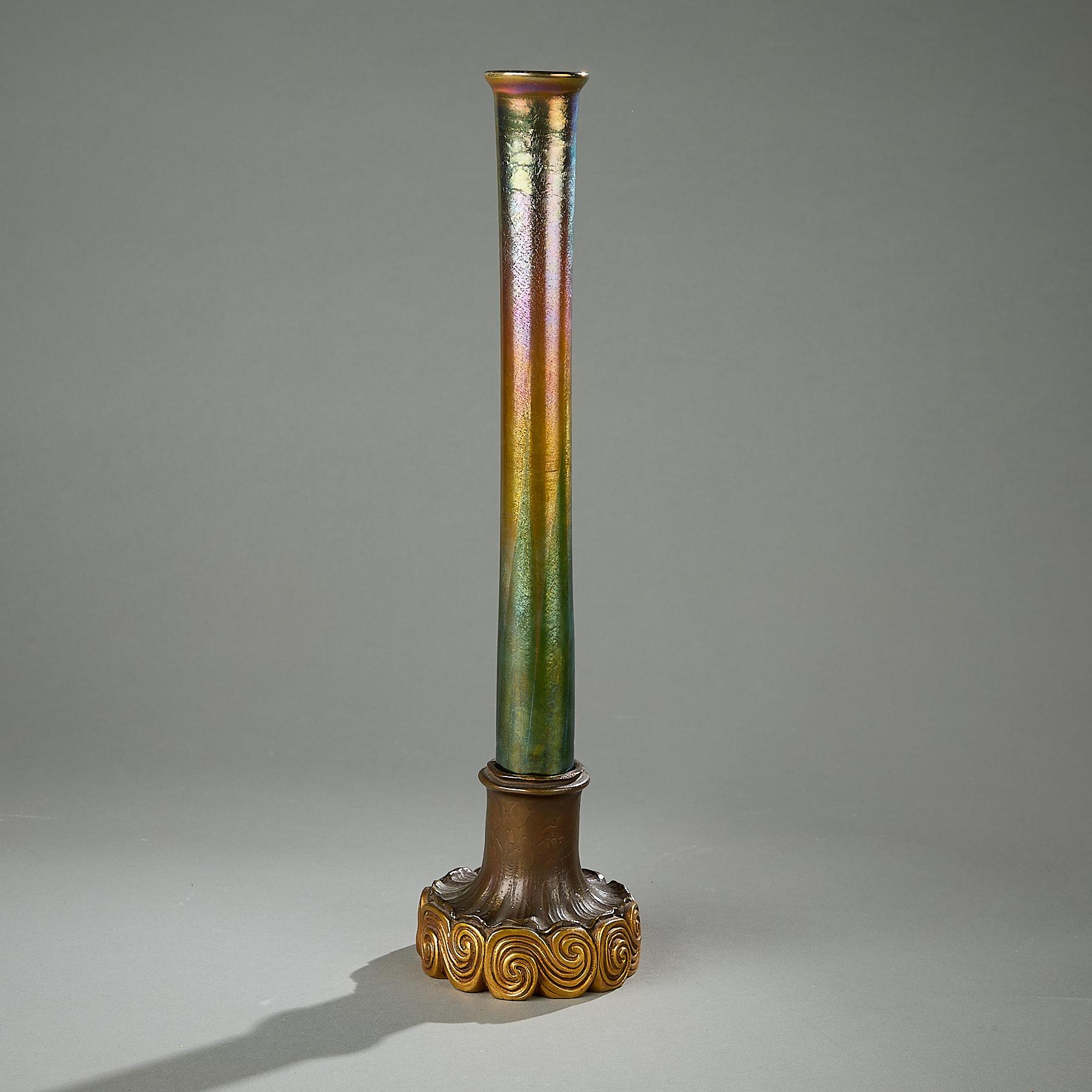
Tiffany Bronze & Favrile Glass Vase Model 711
Sold For $2,900
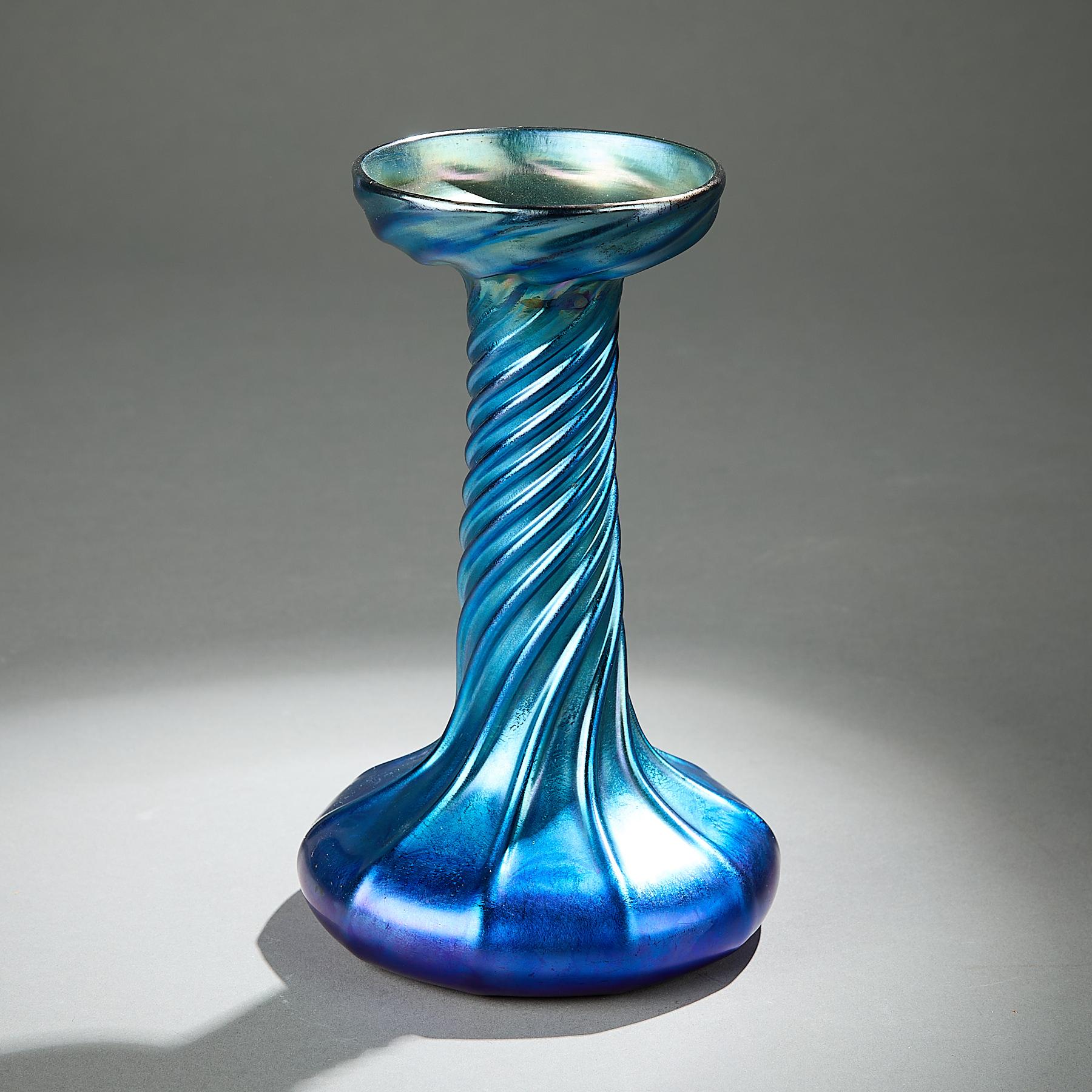
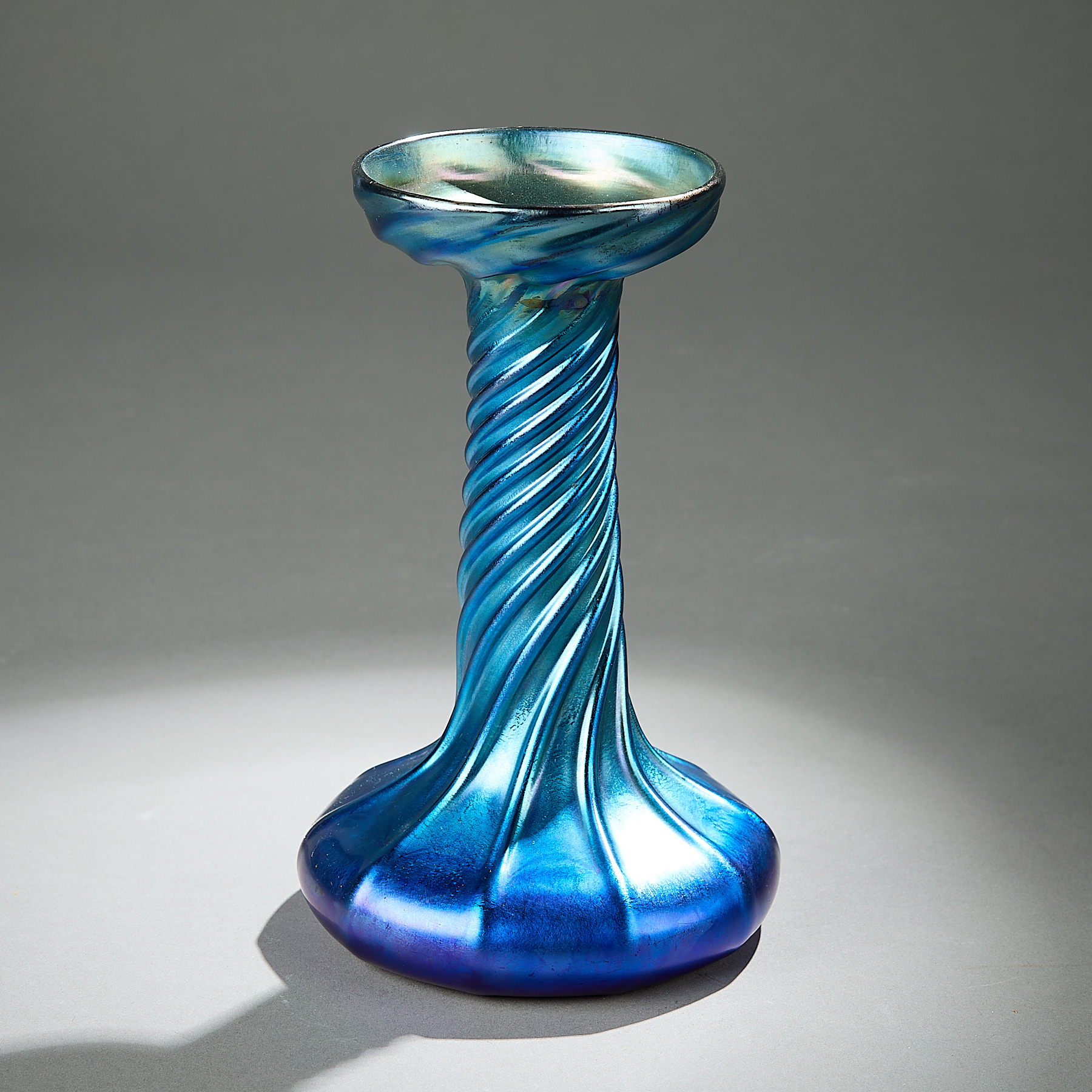
Tiffany Blue Favrile Glass Candlestick Model X278
Sold For $250
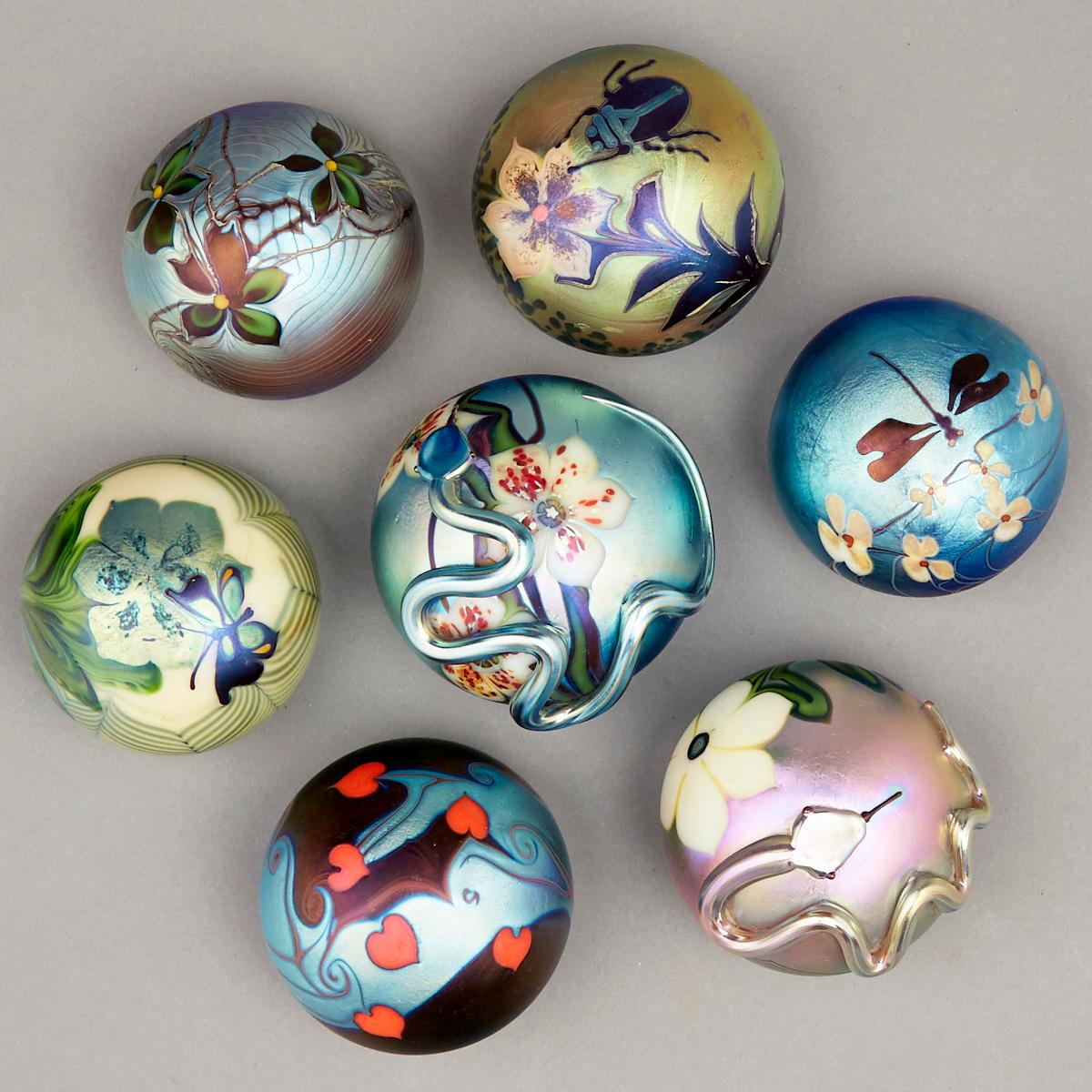
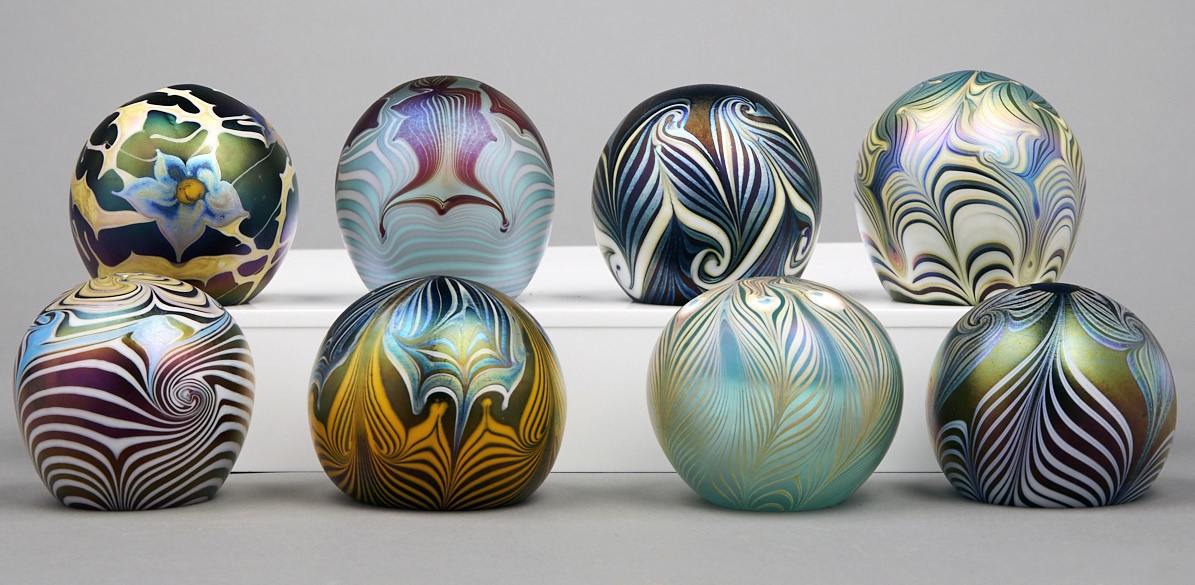
Grp: 7 Orient & Flume Favrile Glass Paperweights
Sold For $700