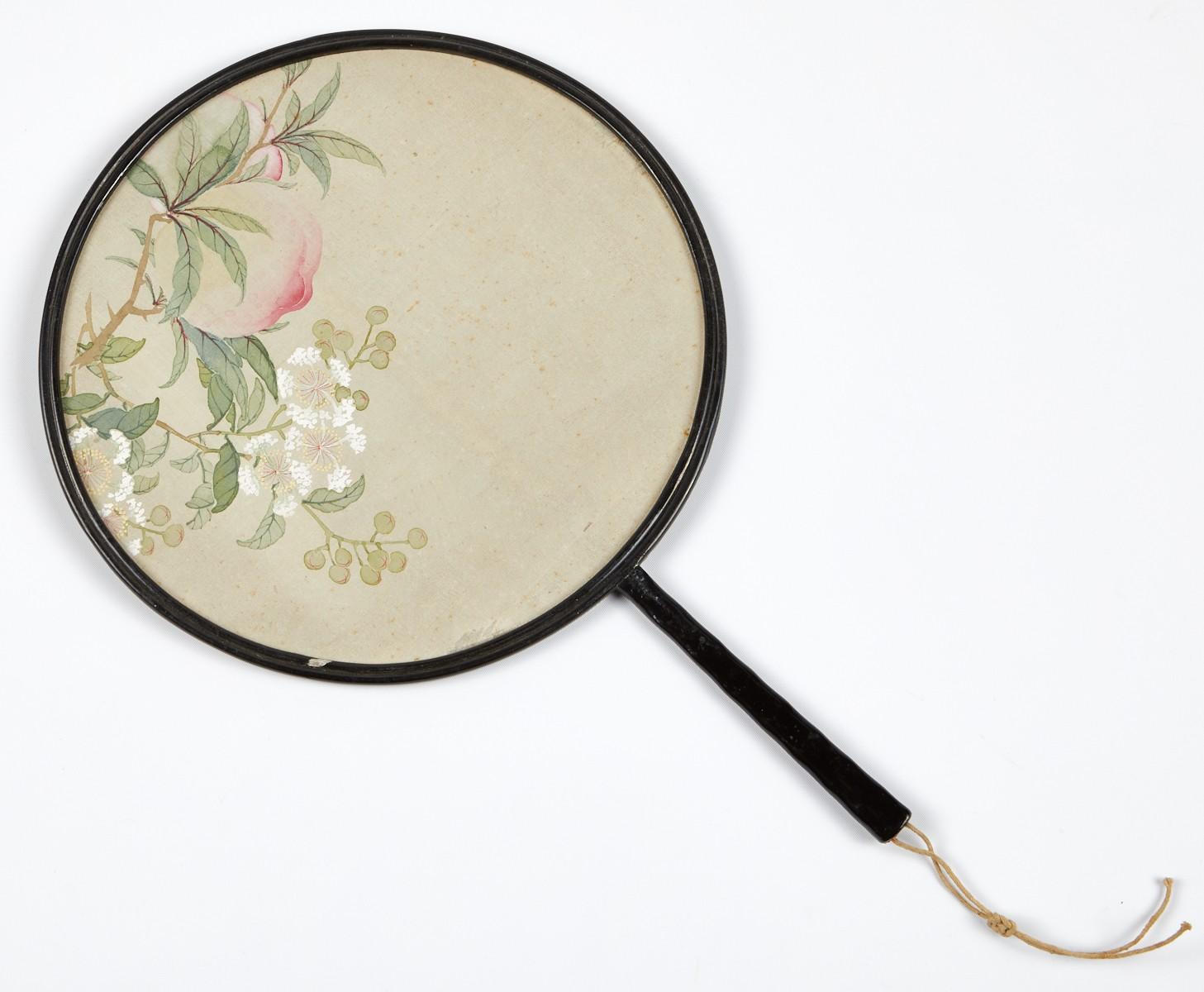
Chinese Fan Painting: History, Symbolism, and Value at Auction
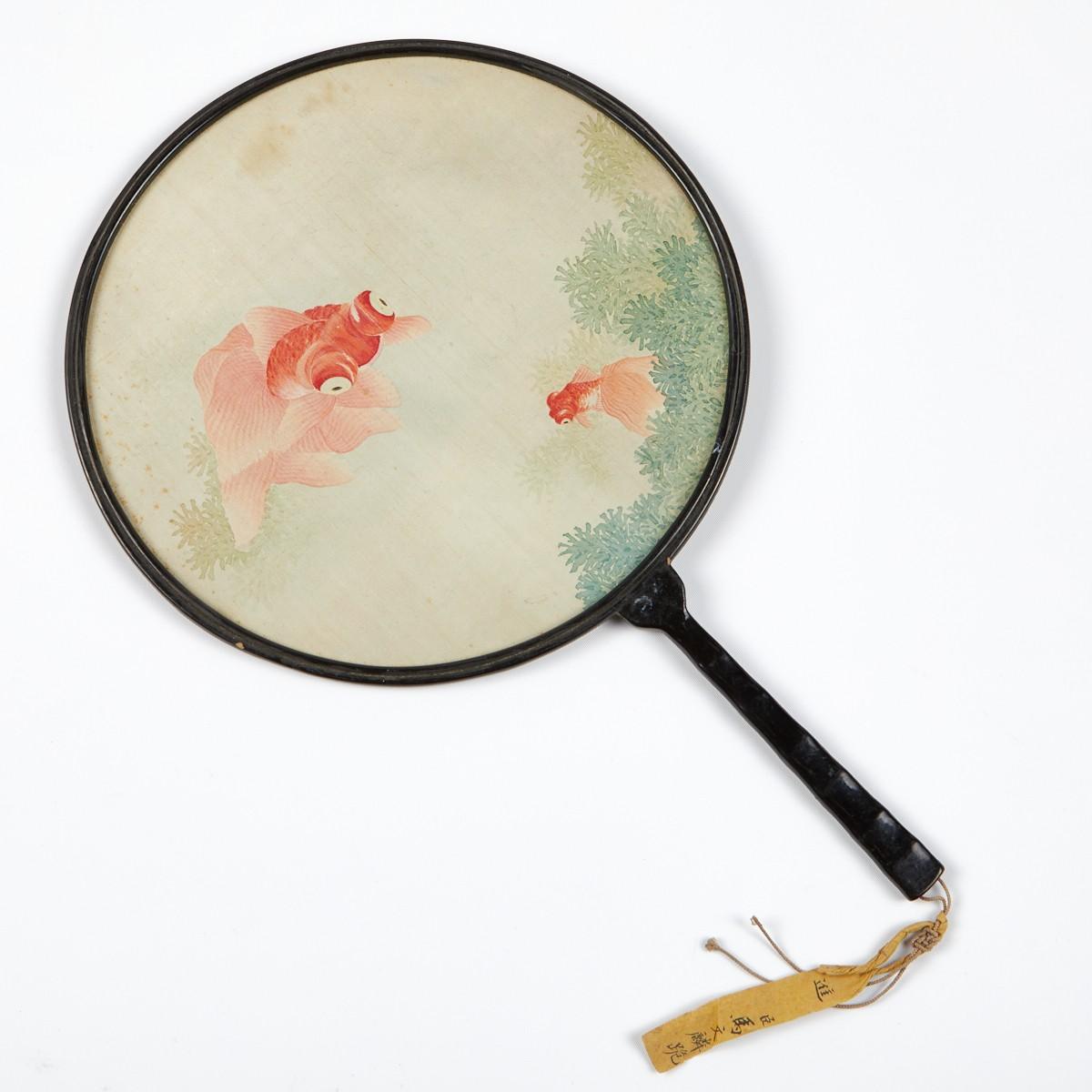
Chinese Qing Imperial Court Fan w/ Goldfish Ma Wen Lin, Sold $4,900 by Revere Auctions
Chinese fan painting represents one of the most elegant intersections of practicality and artistry in Chinese art. What began as a functional object used to cool down, gradually became a refined surface for painting, poetry, and calligraphy. Over centuries, scholars and artists transformed Chinese fans into works of art that reflect dynastic culture, literati traditions, and masterful brushwork. Today, antique Chinese fan paintings remain highly collectible and frequently attract strong interest at auction.
What Is Chinese Fan Painting?
Chinese fan painting refers to artworks created directly on the surface of traditional Chinese fans, most often on silk or paper. These works combine painting, calligraphy, and sometimes poetry on a curved or circular format, turning an everyday object into a sophisticated artistic composition.
The practice gained prominence during the Song dynasty, when court artists painted landscapes and nature scenes on tuanshan, or circular fans. By the Ming dynasty and Qing dynasty, literati painters expanded the tradition through folding fans such as the zheshan, using them as personal expressions of artistic style through brushwork, inscriptions, and seals. Chinese fan painting became a format where the “Three Perfections” of Chinese art– painting, calligraphy, and poetry– could be combined within a single object.
History of Chinese Fan Painting
The history of Chinese fan painting is closely tied to the long tradition of fan use in China. Early fans were made from leaves, feathers, bamboo, and silk, and by the Han dynasty, they had already become associated with court culture and decorative arts.
Fan painting developed gradually, but it flourished from the Tang dynasty onward. During the Song dynasty, painted court fans became especially admired, and many were later preserved as album leaves rather than used as functional objects.
By the Ming dynasty, fan painting had matured into a distinct artistic category. Scholars and literati painters embraced the folding fan as a place to combine image and inscription. By the Qing dynasty, painted fans were widely appreciated by collectors and scholars, solidifying their place within Chinese painting traditions.
Types of Chinese Fans Used for Painting
Several types of fans appear in Chinese fan painting, but two formats dominate artistic production.
The tuanshan, or round fan, is one of the earliest forms and was commonly made with silk stretched across a circular frame. This format became popular in court painting and is frequently associated with Song dynasty art.
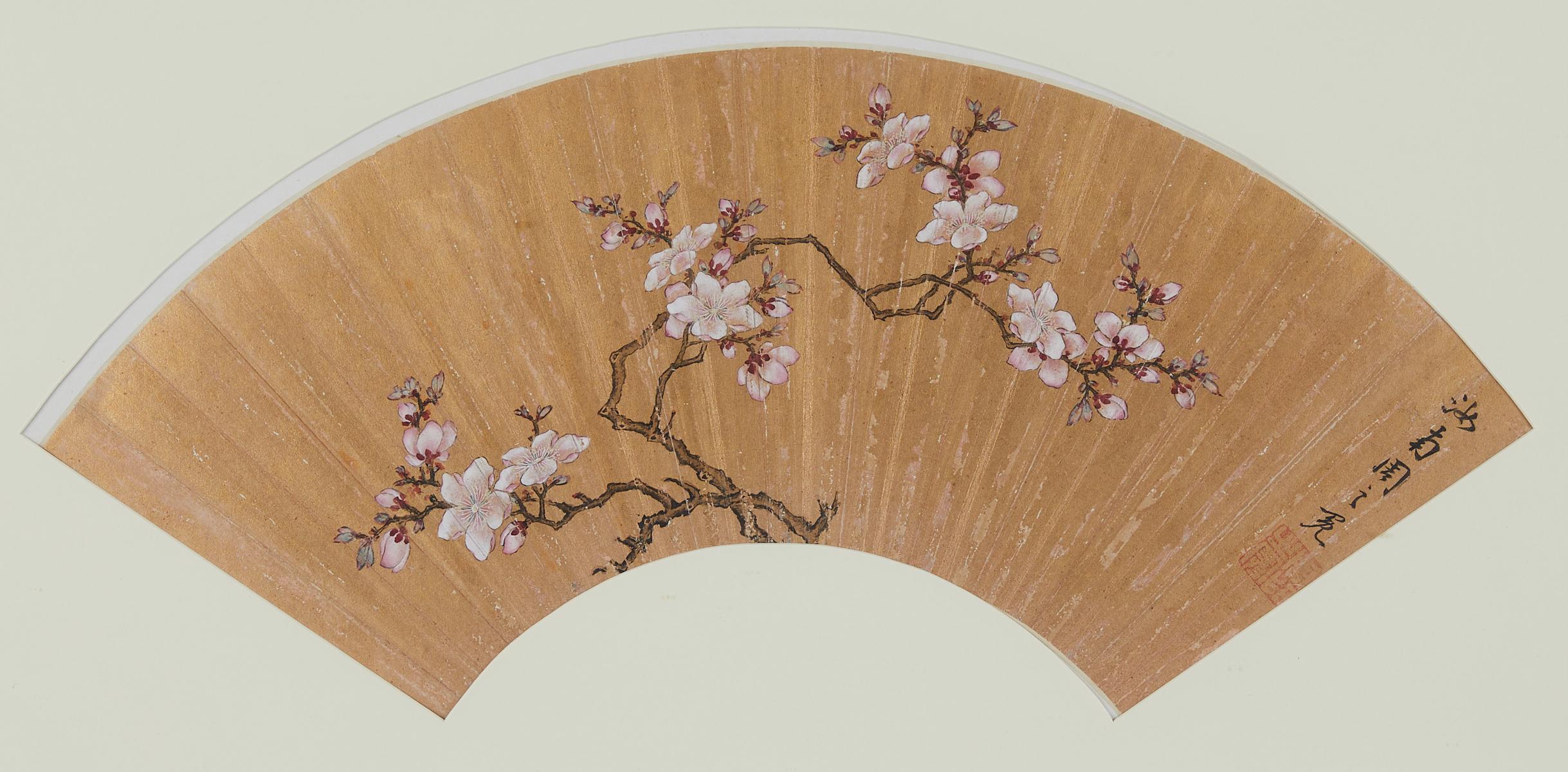
Chinese Zheshan Fan Painting After Zhou Zhiyuan, Sold: $2,800 by Revere Auctions
The zheshan, or folding fan, emerged later and became especially popular during the Ming dynasty. Its wide paper surface allowed painters to create landscapes, calligraphy, and poetic inscriptions across a sweeping arc.
Other forms include the yushan, or feather fan, and the pukuishan, often made from palm leaves. While these fans were less commonly used for painting, they remain important within the broader history of Chinese fans.
Chinese Silk Fan and Paper Fan Traditions
The surfaces used for Chinese fan painting were typically either silk or paper, each offering different artistic possibilities.
Silk fans provided a smooth and refined surface that complemented delicate brushwork and subtle color. Paper fans, especially those mounted on folding fans, offered a slightly textured ground ideal for expressive ink painting and calligraphy.
The materials surrounding the painted surface also played an important role. Fan ribs and guards were often made from bamboo, carved wood, lacquer, ivory, or other decorative materials, contributing to the overall artistry and collectibility of the fan.
Symbolism in Chinese Fan Painting
Chinese fan paintings often carry rich symbolic meaning. Fans themselves are associated with elegance, refinement, and scholarly culture. In painting and literature, they frequently appear as objects of grace and emotional expression.
The round fan, in particular, is often associated with harmony and reunion, its shape evoking the full moon. Feather fans can symbolize wisdom and authority, while folding fans became closely linked with the intellectual and artistic identity of the Chinese literati.
Motifs in Chinese Fan Paintings
The most celebrated Chinese fan paintings feature traditional subjects drawn from classical Chinese art.
Landscapes are among the most common motifs, often rendered in ink with atmospheric brushwork. Other subjects include birds and flowers, bamboo, figures, and poetic inscriptions. Because the fan surface is relatively small, artists developed highly refined compositions that balance space, movement, and brushwork.
Painting Styles and Calligraphy
Chinese fan painting is notable for its integration of image and writing. Many fans include calligraphy, poetry, and artist seals alongside painted imagery. The quality of brushwork, the placement of inscriptions, and the harmony between text and image all contribute to the artistic significance of a fan painting.
Are Chinese Fan Paintings Valuable?
Chinese fan paintings can be highly desirable to collectors, particularly when they date to the Ming dynasty or Qing dynasty and show strong artistic quality.
Signed examples, works attributed to known artists, and fans with elegant materials or inscriptions often command the strongest interest. Collectors appreciate these objects not only as decorative pieces but also as compact examples of Chinese painting traditions.
How Much Are Chinese Fan Paintings Worth?
The value of Chinese fan paintings varies widely depending on age, condition, materials, and artistic attribution.
Decorative examples may sell for several hundred dollars, while rare or artistically important fan paintings can bring significantly higher prices. Fans with well-preserved painting surfaces, refined calligraphy, and attractive materials generally perform best at auction.
Selling Chinese Fan Paintings at Auction
When evaluating Chinese fan paintings for auction, careful attention must be given to dynasty, artist, materials, inscriptions, and condition. Even small works can carry considerable historical and artistic significance.
Revere Auctions provides expert evaluations of Chinese fan paintings, carefully assessing craftsmanship, dynasty, materials, and artistic quality to determine their true value in today’s auction market. If you would like to learn more about the value of your Chinese fan painting or are considering selling at auction, contact Revere Auctions for a confidential evaluation from our specialists.
EXCEPTIONAL RESULTS AT AUCTION, find links below:
Chinese Qing Imperial Court Fan w/ Goldfish Ma Wen Lin
Sold For $4,900
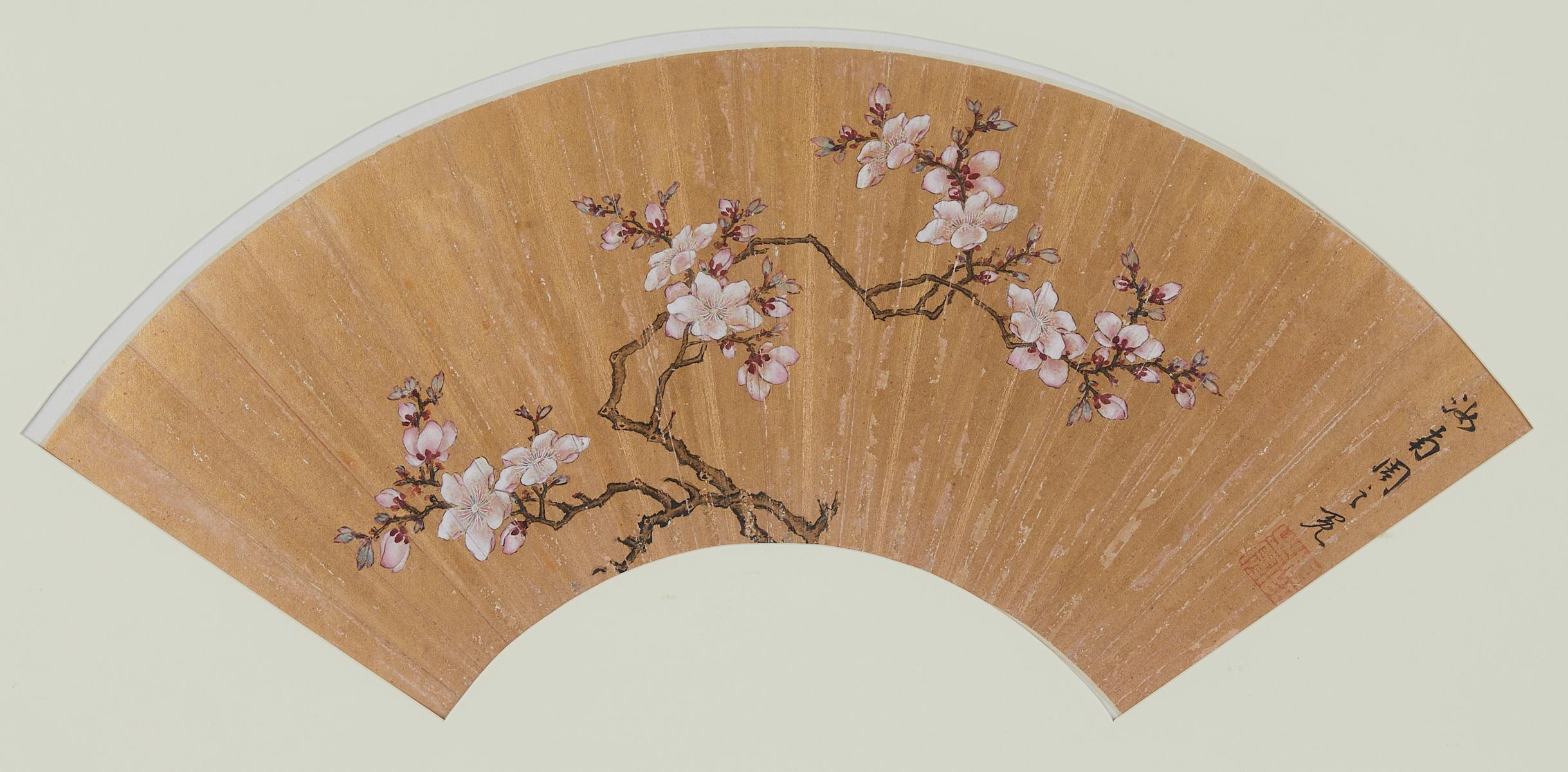
Chinese Fan Painting After Zhou Zhiyuan
Sold For $2,800
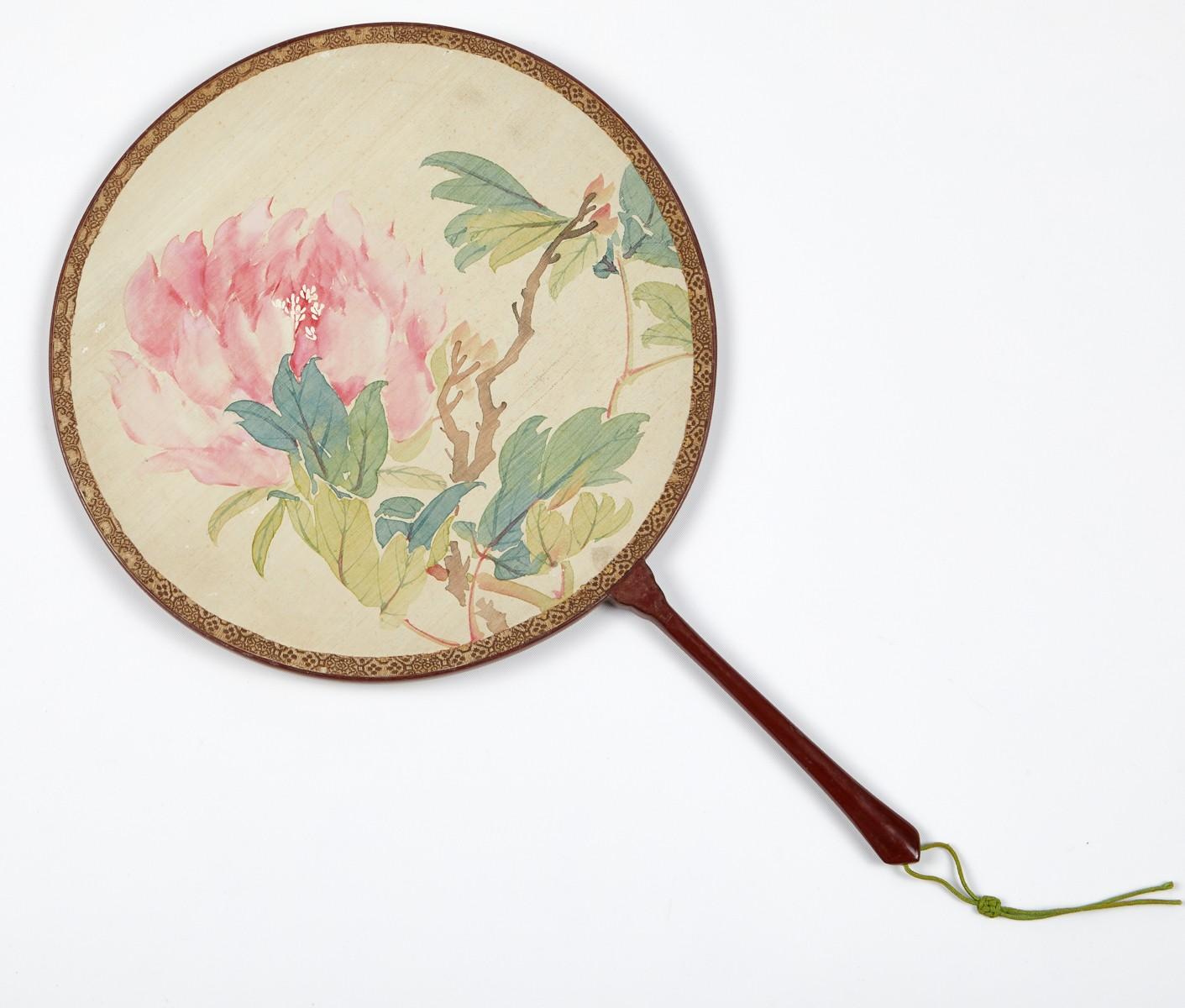
Chinese Qing Imperial Court Fan w/ Peony
Sold for $2,500
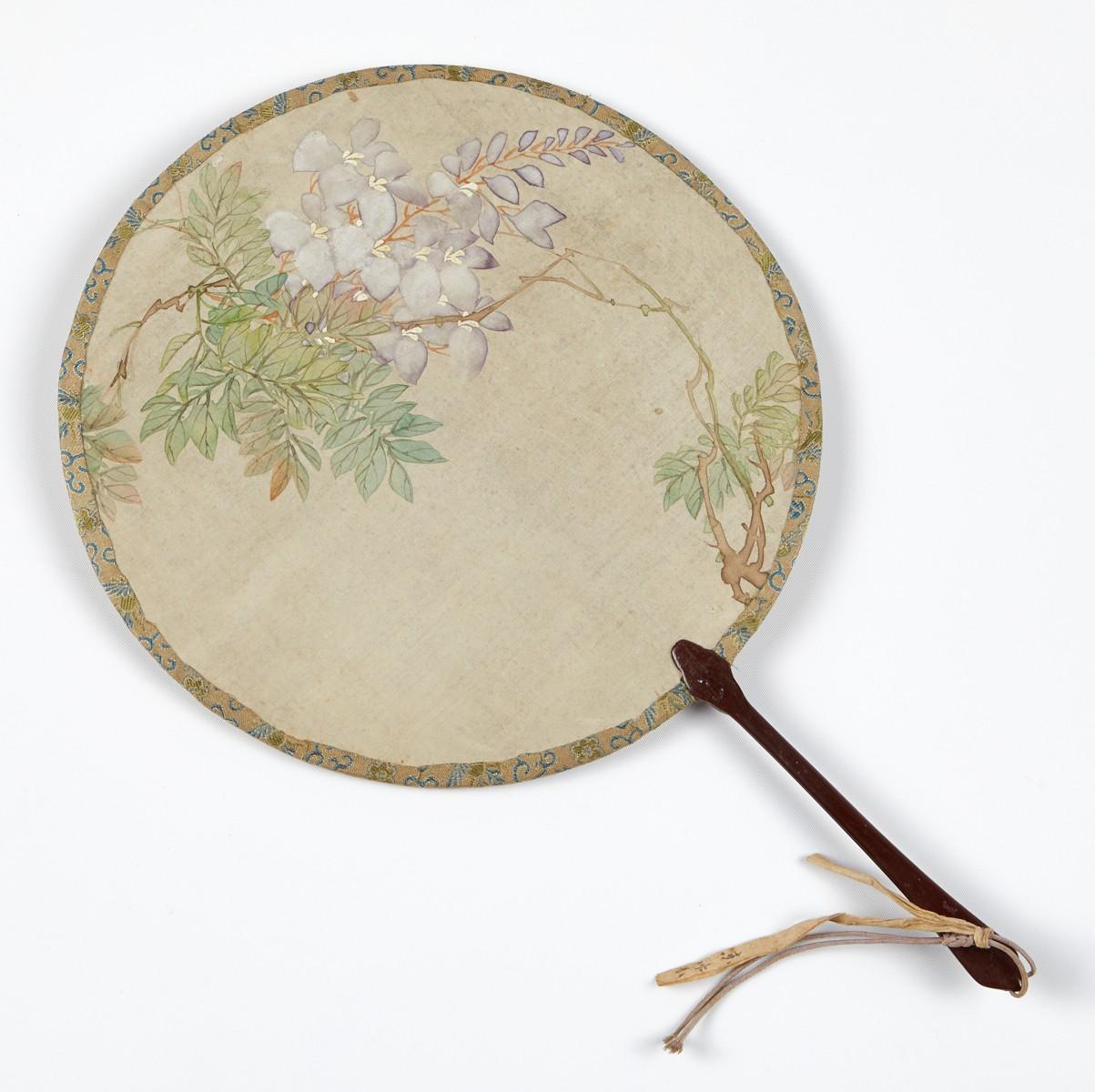
Chinese Qing Imperial Court Fan w/ Wisteria
Sold For $2,300