
John Littleton & Kate Vogel
American Studio Glass Artists, working since 1979
Interested in selling a work by Littleton & Vogel?
John Littleton and Kate Vogel have made glass together since 1979. They met as students, married, and have signed their work jointly ever since — a genuine fifty-fifty collaboration, which is rare in a field full of single names and assistants. Their best known works are cast: soft-looking paper bags and cupped human hands rendered in glass, objects that read as fabric or flesh until you pick them up.
Revere Auctions has sold several of their pieces, including works from the Acro Bags and Shard series. If you own one, send photographs through our free auction estimate form.
Who Are John Littleton and Kate Vogel?
They met at the University of Wisconsin in Madison, in the glass program built by Harvey Littleton — who is John’s father, and who had started the whole American studio glass movement in Toledo in 1962. That is an unusual inheritance to work under, and the pair dealt with it by going somewhere else and doing something different: they settled in the mountains of western North Carolina, near Penland, and built their own studio.
The partnership is the defining fact of the work. They design and make together, sign together, and have done so for more than forty years. Their pieces are in museum collections and have been shown in gallery exhibitions across the country, but the studio has stayed small and the output deliberately unhurried.
What Do Littleton and Vogel Make?
The cast forms came first and remain the signature: bags that appear crumpled and soft, and hands — open, cupped, holding something or nothing. Cast glass takes an impression with unnerving fidelity, so a glass bag can carry the creases of a real one, and the tension between what the eye reads and what the material is doing carries the work.
Beyond the cast pieces they have made blown and constructed work, including the Shard series and Soft Forms, and pieces that combine cast elements with blown ones. Colour is generally restrained; the interest is in surface, weight and gesture. Work is signed by both artists and usually dated.
How Much Is My Littleton & Vogel Glass Worth Worth?
Several things determine what a work by John Littleton & Kate Vogel brings at auction:
- Series — the cast bags and hands are the signature works and lead the market; blown and constructed pieces sit differently
- Scale — cast glass at size is technically demanding and priced accordingly
- Date — a working partnership of over forty years covers a lot of ground, and early work is a separate conversation
- Condition — cast glass is solid and robust, but edges and any polished surfaces need checking
- Signature — both names, usually with a date, normally on the base
The honest answer is that no two are alike, and the difference between an ordinary example and an exceptional one is a conversation with a specialist, not a chart. Send us photographs through our free auction estimate form — front, back, signature, and any labels — and we will tell you what you have.
The Market for Littleton & Vogel
This is a genuinely under-recognised name. The work is in museum collections and has a long exhibition record, but it appears at auction far less often than its quality would suggest, and when it does it is sometimes catalogued simply as studio glass rather than under the artists’ names. Revere has sold four of their pieces, the strongest at $2,500.
For a name like this, cataloguing is most of the job. A cast glass bag described as a cast glass bag finds one kind of buyer; the same object identified as Littleton and Vogel, dated, with the series named and the connection to the founding generation of American studio glass explained, finds another. That research is what an auction house is for.
How to Sell a Work by Littleton & Vogel
The strongest results for a Littleton and Vogel glass sculpture come at auction, where national and international collectors bid against each other. Revere Auctions offers free, no-obligation auction estimates: send photos and dimensions and our specialists respond with a current market valuation and a recommendation on how to sell. Consigned works are professionally photographed, cataloged, and marketed through our fine art auctions to a worldwide bidder base, and we regularly arrange shipping for consignors across the country. If you need a formal written valuation for insurance or estate purposes, our appraisal and valuation services team can help; you can also read more about how selling at auction works.
Related: studio art glass artists, our fine art department, appraisal services, free auction estimates.
Reviewed by the fine art specialists at Revere Auctions, St. Paul, Minnesota.
John Littleton & Kate Vogel: Frequently Asked Questions
Is John Littleton related to Harvey Littleton?
Yes — John Littleton is the son of Harvey Littleton, who began the American studio glass movement in 1962. They are different artists with different markets, and work should never be conflated between them.
How much is a Littleton and Vogel piece worth?
It depends on series, scale and date. The cast bags and hands lead their market. Revere Auctions has sold their work up to $2,500 and provides free estimates from photographs.
How is their work signed?
With both names, usually with a date, normally engraved on the base. Photograph the base and send it with your enquiry.
What are the Acro Bags?
One of their cast series — glass renderings of paper bags, made so the material appears soft and creased. Cast bags and hands are the works they are best known for.
Interested in purchasing a a Littleton and Vogel glass sculpture work?
If you would like to learn more about the value of your a Littleton and Vogel glass sculpture works, contact us today for a free auction estimate.
Exceptional Results
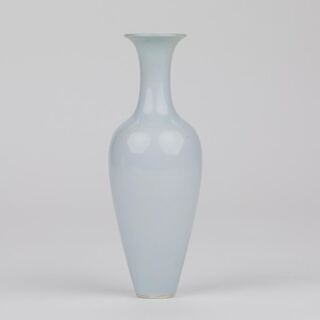 Chinese Clair-de-lune Porcelain Vase w/ Box, MarkedSold For $270,000
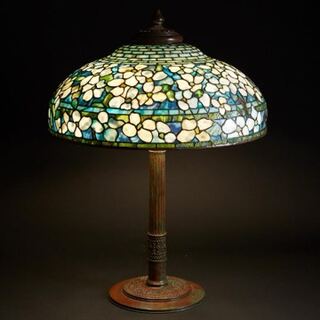 Tiffany Studios Leaded Glass and Bronze "Dogwood" LampSold For $60,000
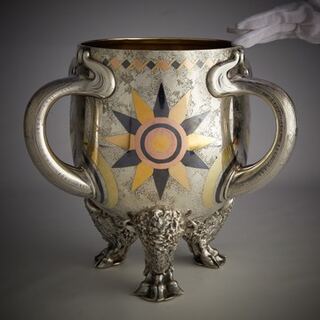 Large Tiffany Sterling Trophy Cup, 83.21 Troy ozSold For $44,000
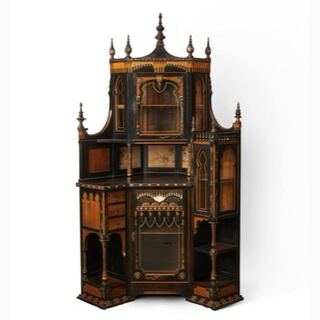 Carlo Bugatti Monumental Corner CabinetSold For $40,000
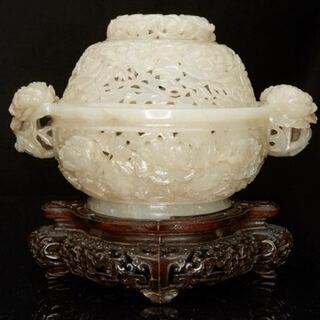 18th c. Chinese Reticulated Jade Censer with StandSold For $34,000
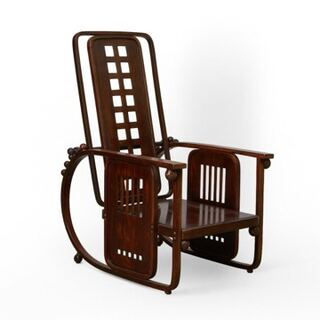 Joseph Hoffmann for Kohn "Sitzmaschine" ChairSold For $15,000
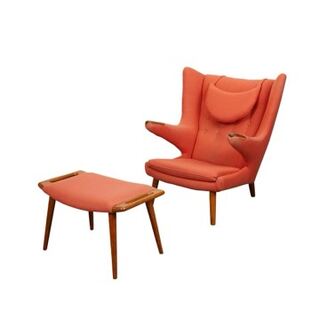 Hans Wegner AP Stolen "Papa Bear" Chair & OttomanSold For $15,000
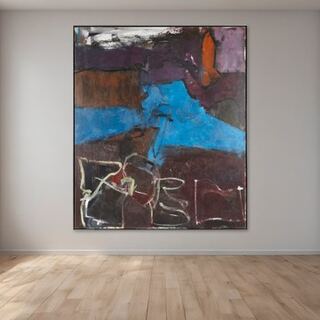 Grace Hartigan "Dublin" Oil Painting 1958-59Sold For $525,000