
Harvey Littleton
Founder of the American Studio Glass Movement, 1922–2013
Interested in selling a work by Littleton?
Everything in American studio glass starts with Harvey Littleton. In March 1962, in a garage behind the Toledo Museum of Art, he ran a workshop with the glass scientist Dominick Labino and demonstrated something the industry considered impossible: that one artist, with a small furnace and the right formulation, could melt and work glass without a factory behind them. Within a decade there were university glass programs across the country.
If you own a Littleton — an Arc, a Loop, a Crown, or one of his vitreograph prints — send photographs through our free auction estimate form.
Who Was Harvey Littleton?
Littleton grew up inside glass. He was born in Corning, New York, in 1922, where his father was a physicist at the glassworks, and he spent his childhood around a company that regarded glass as an industrial material and nothing else. He trained instead as a potter, taught ceramics at the University of Wisconsin in Madison, and kept returning to a question the industry thought was settled: why can an artist work in clay alone but not in glass?
The Toledo workshops answered it. Labino supplied glass marbles that melted at a workable temperature and helped design a small furnace; Littleton supplied the conviction and, afterwards, the institutional push. He built the glass program at Madison that trained a startling proportion of the next generation — including Dale Chihuly, Marvin Lipofsky and Toots Zynsky among many others. In 1977 he left teaching for the mountains of North Carolina, where he spent his later decades making sculpture and developing vitreography, printmaking from glass plates. He died in 2013.
What Did Harvey Littleton Make?
His sculptural language is deceptively simple: thick, solid rods of coloured glass, bent into arcs, loops, crowns and descending forms, cut and polished at the ends so that light enters and travels through the whole length of the curve. The names of the series — Arc, Loop, Crown, Descending Form, Implied Movement — describe exactly what the objects do.
Many pieces use cased colour, where a core of one colour is sheathed in another, so the cut ends read as concentric rings and the curve carries a stripe of colour along its length. Separately, his vitreographs — prints pulled from glass plates, often in collaboration with other artists at his North Carolina studio — are a distinct and much more affordable part of his output.
How Much Is My Harvey Littleton Glass Worth Worth?
Several things determine what a work by Harvey Littleton brings at auction:
- Sculpture or print — a blown and cut glass sculpture and a vitreograph print are entirely different markets; establish which you have first
- Scale and form — the large multi-loop and crown forms are his most ambitious and most sought-after works
- Date — his output spans five decades, from the earliest experimental vessels to the mature cut-and-polished sculpture
- Colour — cased colour combinations vary a great deal in desirability
- Condition — polished cut ends are the focal point and show every chip and scratch
The honest answer is that no two are alike, and the difference between an ordinary example and an exceptional one is a conversation with a specialist, not a chart. Send us photographs through our free auction estimate form — front, back, signature, and any labels — and we will tell you what you have.
The Market for Littleton
Littleton’s market carries a premium that is partly historical: buyers are acquiring the origin of a whole field, not only an object. His major sculptures sit near the top of American studio glass, while early experimental vessels and the vitreograph prints are accessible to ordinary collectors. Between those extremes the range is very wide, which is the practical reason to have a piece identified rather than guessed at.
Auction suits this name particularly well. The buyers are museums, serious private collections and the people who have followed the field since the 1970s, and they are geographically scattered. A properly researched catalogue entry — series, date, technique, and where the piece sits in his development — is what brings them to the same lot at the same time.
How to Sell a Work by Littleton
The strongest results for a Harvey Littleton glass sculpture come at auction, where national and international collectors bid against each other. Revere Auctions offers free, no-obligation auction estimates: send photos and dimensions and our specialists respond with a current market valuation and a recommendation on how to sell. Consigned works are professionally photographed, cataloged, and marketed through our fine art auctions to a worldwide bidder base, and we regularly arrange shipping for consignors across the country. If you need a formal written valuation for insurance or estate purposes, our appraisal and valuation services team can help; you can also read more about how selling at auction works.
Related: studio art glass artists, our fine art department, appraisal services, free auction estimates.
Reviewed by the fine art specialists at Revere Auctions, St. Paul, Minnesota.
Harvey Littleton: Frequently Asked Questions
Who started the American studio glass movement?
Harvey Littleton, with the glass scientist Dominick Labino, at two workshops held at the Toledo Museum of Art in 1962. They showed that an artist could melt and work glass alone in a small studio.
How much is a Harvey Littleton worth?
It depends entirely on whether you have a glass sculpture or a vitreograph print, and on scale and date. His major sculptures are among the most valuable in American studio glass. Revere Auctions provides free estimates from photographs.
What is a vitreograph?
A print pulled from a glass plate rather than a metal or stone one, a technique Littleton developed and promoted at his North Carolina studio. Vitreographs are a much more affordable part of his output than his sculpture.
Is Harvey Littleton related to John Littleton?
Yes. John Littleton, who works in collaboration with Kate Vogel, is his son. They are separate artists with separate markets.
Interested in purchasing a a Harvey Littleton glass sculpture work?
If you would like to learn more about the value of your a Harvey Littleton glass sculpture works, contact us today for a free auction estimate.
Exceptional Results
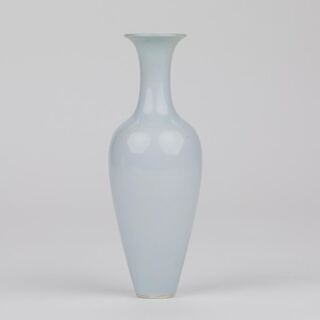 Chinese Clair-de-lune Porcelain Vase w/ Box, MarkedSold For $270,000
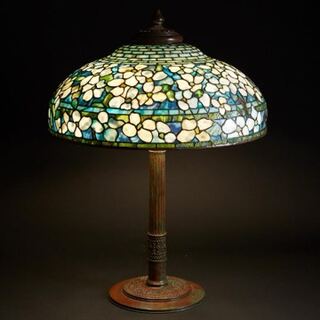 Tiffany Studios Leaded Glass and Bronze "Dogwood" LampSold For $60,000
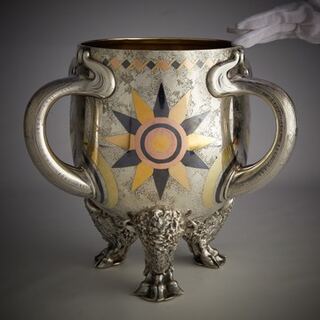 Large Tiffany Sterling Trophy Cup, 83.21 Troy ozSold For $44,000
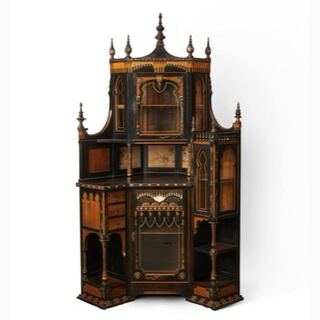 Carlo Bugatti Monumental Corner CabinetSold For $40,000
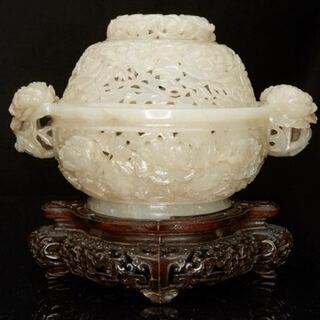 18th c. Chinese Reticulated Jade Censer with StandSold For $34,000
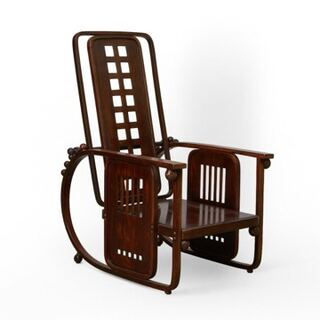 Joseph Hoffmann for Kohn "Sitzmaschine" ChairSold For $15,000
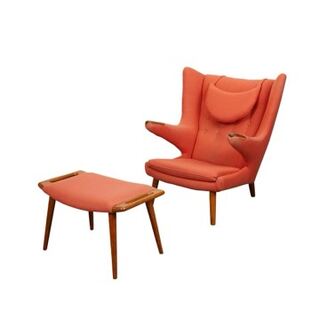 Hans Wegner AP Stolen "Papa Bear" Chair & OttomanSold For $15,000
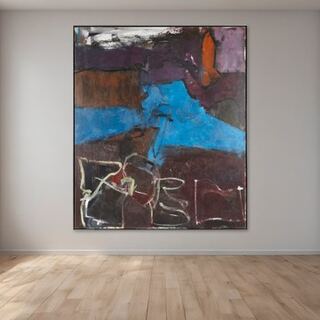 Grace Hartigan "Dublin" Oil Painting 1958-59Sold For $525,000