
William Morris
American Glass Artist, born 1957
Interested in selling a work by Morris?
The glass artist William Morris — born 1957, and not to be confused with the nineteenth-century English designer of the same name — made blown glass that does not look like glass at all. His Artifacts, Canopic Jars, Rhytons and Standing Stones read as weathered bone, antler, stone and hide, as though they had been dug out of the ground rather than blown at a furnace. He was, technically, one of the most gifted glassblowers of his generation, and he walked away from it.
If you own a Morris, send photographs through our free auction estimate form.
Who Was William Morris?
Morris came into glass through the Pacific Northwest scene in the late 1970s and spent years as the lead gaffer on Dale Chihuly’s team — the person actually shaping the glass while the work was being directed. That is an unusually demanding apprenticeship, and it produced a technician of exceptional range.
When he began working under his own name he went in a direction nobody expected. Rather than the bright colour and fluid form that defined the Seattle style, he made objects that imitated prehistory: burial goods, tools, bones, ceremonial vessels. He worked from a studio in the Stanwood area of Washington State, showed extensively through the 1990s and 2000s, and then, in the second half of the 2000s, stopped making glass. That decision matters commercially — the body of work is finite and no more is coming.
What Did William Morris Make?
The surfaces are the achievement. Morris developed ways of applying powdered glass and using controlled devitrification so that a blown form takes on the matte, porous, chalky look of excavated material. A Canopic Jar carries what appears to be carved animal imagery; a Standing Stone looks like weathered basalt; the Artifact series suggests bundled bones and tools tied with sinew.
The larger installations combine many blown elements into a single presentation, sometimes suspended or mounted on stands, and these are his most ambitious works. Pieces are signed and dated, and series names are part of how the market discusses them.
How Much Is My William Morris Glass Worth Worth?
Several things determine what a work by William Morris brings at auction:
- Series — Artifact, Canopic Jar, Rhyton, Standing Stone and Man Adorned are collected differently; the series is the first thing to establish
- Scale and complexity — multi-element installations sit far above single vessels
- Surface — the illusion of weathered bone or stone is the point, and the quality of it varies across the output
- Date — the body of work is closed, and where a piece falls in his career matters
- Mounting and completeness — many works were made with specific stands or mounts, and a missing original mount is a real issue
The honest answer is that no two are alike, and the difference between an ordinary example and an exceptional one is a conversation with a specialist, not a chart. Send us photographs through our free auction estimate form — front, back, signature, and any labels — and we will tell you what you have.
The Market for Morris
Morris occupies an unusual position: a finite body of work by a living artist who no longer makes it. His work circulates through around twenty salerooms nationally and his recent results have held steady rather than sagging, which is what a closed body of work by a respected name tends to do. Major pieces reach well into five figures.
The single largest mistake with a Morris is misidentification at the point of consignment. These objects genuinely do not look like art glass, and pieces have been catalogued as ethnographic or decorative objects by people who did not recognise them. Identifying the series and dating the piece is most of the work, and it is the difference between two very different outcomes.
How to Sell a Work by Morris
The strongest results for a William Morris glass sculpture come at auction, where national and international collectors bid against each other. Revere Auctions offers free, no-obligation auction estimates: send photos and dimensions and our specialists respond with a current market valuation and a recommendation on how to sell. Consigned works are professionally photographed, cataloged, and marketed through our fine art auctions to a worldwide bidder base, and we regularly arrange shipping for consignors across the country. If you need a formal written valuation for insurance or estate purposes, our appraisal and valuation services team can help; you can also read more about how selling at auction works.
Related: studio art glass artists, our fine art department, appraisal services, free auction estimates.
Reviewed by the fine art specialists at Revere Auctions, St. Paul, Minnesota.
William Morris: Frequently Asked Questions
Is this the same William Morris as the Arts and Crafts designer?
No. The glass artist William Morris was born in 1957 in the United States. The English designer and writer William Morris lived from 1834 to 1896. They are unrelated.
How much is a William Morris glass sculpture worth?
It depends on series, scale and whether it is a single vessel or a multi-element installation. Major works reach well into five figures. Revere Auctions provides free estimates from photographs.
Does William Morris still make glass?
No. He stopped making glass in the second half of the 2000s, which means the body of work is finite — a fact collectors are well aware of.
Why does his glass look like bone or stone?
He developed surface techniques using powdered glass and controlled devitrification to produce matte, weathered finishes that imitate excavated bone, antler and stone.
Interested in purchasing a a William Morris glass sculpture work?
If you would like to learn more about the value of your a William Morris glass sculpture works, contact us today for a free auction estimate.
Exceptional Results
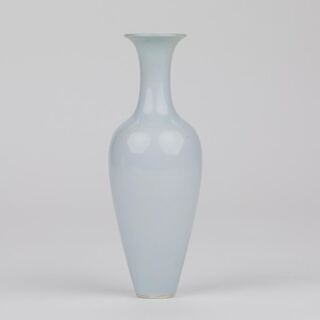 Chinese Clair-de-lune Porcelain Vase w/ Box, MarkedSold For $270,000
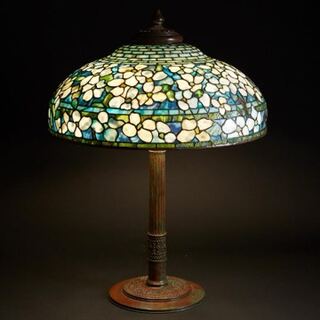 Tiffany Studios Leaded Glass and Bronze "Dogwood" LampSold For $60,000
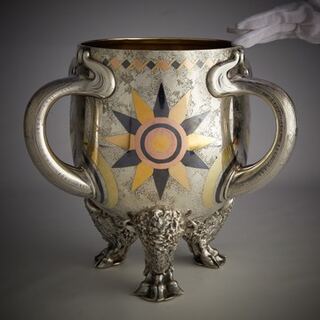 Large Tiffany Sterling Trophy Cup, 83.21 Troy ozSold For $44,000
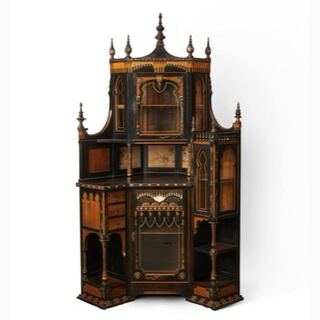 Carlo Bugatti Monumental Corner CabinetSold For $40,000
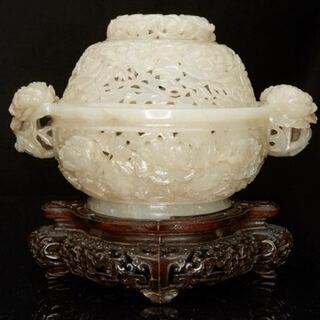 18th c. Chinese Reticulated Jade Censer with StandSold For $34,000
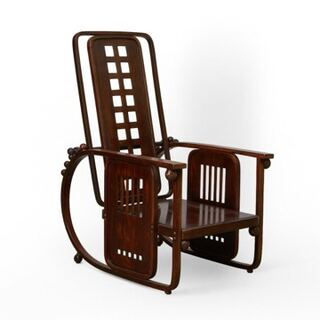 Joseph Hoffmann for Kohn "Sitzmaschine" ChairSold For $15,000
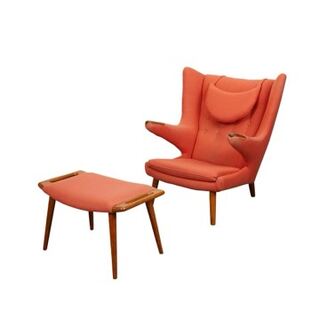 Hans Wegner AP Stolen "Papa Bear" Chair & OttomanSold For $15,000
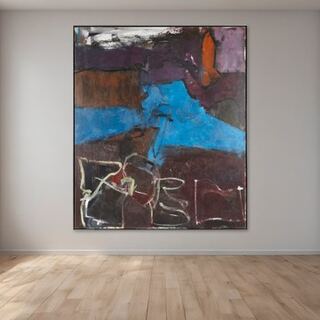 Grace Hartigan "Dublin" Oil Painting 1958-59Sold For $525,000