
Toots Zynsky
American Glass Artist, born 1951
Interested in selling a work by Zynsky?
Toots Zynsky makes vessels out of colour itself. Her technique — filet de verre — uses thousands of fine glass threads, laid down like drawing, fused into a sheet and then slumped into an undulating bowl form. The result has no parallel in glass: the walls appear woven, the colour shifts across the surface like a painting, and the edges ripple.
Revere Auctions has handled her work. If you own a Zynsky, send photographs through our free auction estimate form.
Who Was Toots Zynsky?
Zynsky was born in 1951 and studied at the Rhode Island School of Design, arriving in glass at the exact moment the American studio movement was finding its feet. She was among the people present at the founding of the Pilchuck Glass School in Washington State in 1971 — a summer camp in a field that became the most important glass school in the country.
She has lived and worked internationally, including years in Europe, and the technique she is known for grew out of her own experimentation rather than any tradition. Pulling and accumulating enough glass thread to build a vessel is not something anyone had a method for; she developed one, including machinery to draw the threads. Her work is held in major museum collections in the United States and Europe.
What Does Toots Zynsky Make?
The vessels are the body of work. A typical piece is a deep, irregular bowl or upright form whose walls are built entirely from fused coloured threads, with a rim that folds and pleats. Series names recur across her output, and the colour ranges from tightly harmonised to deliberately jarring.
They are lighter than they look and more fragile than they look, which is worth knowing before packing one. The thread structure means the walls are thin and the pleated rims are vulnerable. Signature is normally on or near the base.
How Much Is My Toots Zynsky Vessel Worth Worth?
Several things determine what a work by Toots Zynsky brings at auction:
- Scale — her larger vessels are substantially more demanding to make and are priced accordingly
- Colour — the palette and the way colour moves across the form is the work, and collectors are specific about it
- Series and date — her named bodies of work are collected differently
- Condition — thread-built walls and pleated rims chip easily, and damage is very visible
- Signature — usually on or near the base; photograph it
The honest answer is that no two are alike, and the difference between an ordinary example and an exceptional one is a conversation with a specialist, not a chart. Send us photographs through our free auction estimate form — front, back, signature, and any labels — and we will tell you what you have.
The Market for Zynsky
Zynsky sits at the upper end of American studio glass, with a median well into four figures and major pieces reaching the high tens of thousands. Her work comes up relatively rarely — a small number of salerooms nationally handle it — which cuts both ways: scarcity supports the price, but it also means each individual sale carries more weight, because there is no steady stream of comparables to correct a weak result.
For work this distinctive, the buyers are people who already know exactly what they are looking at. The job of the auction house is to find them and to present the piece so its colour reads properly in photographs, which with a Zynsky is more difficult and more important than usual.
How to Sell a Work by Zynsky
The strongest results for a Toots Zynsky vessel come at auction, where national and international collectors bid against each other. Revere Auctions offers free, no-obligation auction estimates: send photos and dimensions and our specialists respond with a current market valuation and a recommendation on how to sell. Consigned works are professionally photographed, cataloged, and marketed through our fine art auctions to a worldwide bidder base, and we regularly arrange shipping for consignors across the country. If you need a formal written valuation for insurance or estate purposes, our appraisal and valuation services team can help; you can also read more about how selling at auction works.
Related: studio art glass artists, our fine art department, appraisal services, free auction estimates.
Reviewed by the fine art specialists at Revere Auctions, St. Paul, Minnesota.
Toots Zynsky: Frequently Asked Questions
What is filet de verre?
The technique Toots Zynsky developed: thousands of fine glass threads are laid down, fused into a sheet, and then heat-formed into a vessel. The walls of the finished piece are made entirely of thread.
How much is a Toots Zynsky vessel worth?
Her market sits at the upper end of American studio glass, with major pieces reaching well into five figures. Scale, colour and condition drive it. Revere Auctions provides free estimates from photographs.
How fragile is her work?
More fragile than it appears. The thread-built walls are thin and the pleated rims chip easily. Never pack one without advice.
Was she involved with Pilchuck?
Yes. She was present at the founding of the Pilchuck Glass School in 1971, at the very start of the American studio glass movement.
Interested in purchasing a a Toots Zynsky vessel work?
If you would like to learn more about the value of your a Toots Zynsky vessel works, contact us today for a free auction estimate.
Exceptional Results
 Chinese Clair-de-lune Porcelain Vase w/ Box, MarkedSold For $270,000
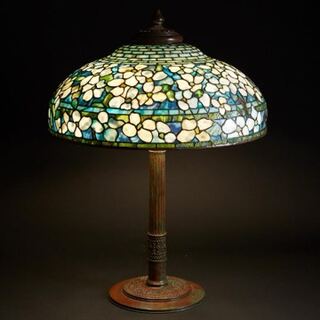 Tiffany Studios Leaded Glass and Bronze "Dogwood" LampSold For $60,000
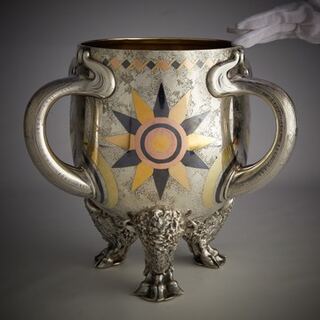 Large Tiffany Sterling Trophy Cup, 83.21 Troy ozSold For $44,000
 Carlo Bugatti Monumental Corner CabinetSold For $40,000
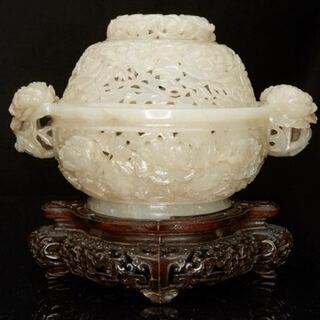 18th c. Chinese Reticulated Jade Censer with StandSold For $34,000
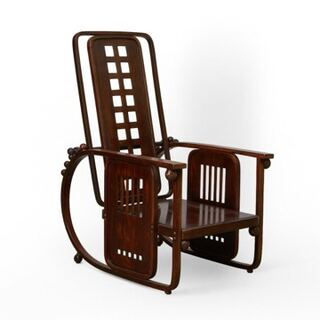 Joseph Hoffmann for Kohn "Sitzmaschine" ChairSold For $15,000
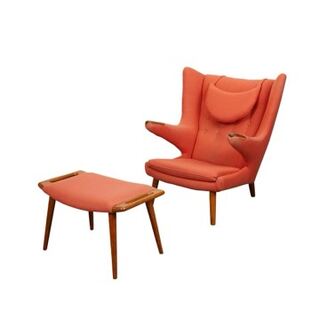 Hans Wegner AP Stolen "Papa Bear" Chair & OttomanSold For $15,000
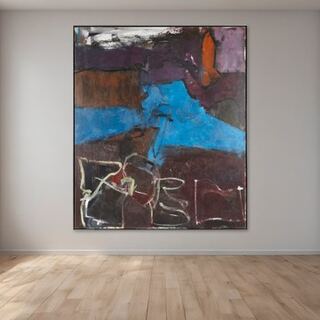 Grace Hartigan "Dublin" Oil Painting 1958-59Sold For $525,000