
Scottish Paperweights
Ysart, Perthshire, Caithness, Deacons and the Scottish Revival
Interested in selling a work by Scottish paperweights?
For most of the twentieth century, if you wanted a well-made paperweight, you bought a Scottish one. The revival that connects the great French weights of the 1840s to the American studio artists of today ran through Perth and Wick, and it begins with one man: Paul Ysart.
Scottish weights turn up constantly in American estates, usually in groups, and they range from genuinely collectable to almost worthless. Send photographs through our free auction estimate form and we will sort out which is which.
Why Scotland?
Paul Ysart was born in Spain in 1904 into a family of glassmakers and came to Scotland as a boy when his father found work there. At Moncrieff’s glassworks in Perth he began, largely on his own initiative, making paperweights in the classic French manner at a time when nobody in Britain was doing so seriously. He worked at it for decades, later at Caithness Glass and finally under his own name, and he signed with a PY cane. He is the hinge of the whole story.
Around and after him grew an industry. Caithness Glass was established at Wick in the far north in the 1960s and produced weights in very large numbers. Perthshire Paperweights, founded at Crieff in 1968, took the opposite approach — small, skilled, closely modelled on the classic French idiom — and ran until 2002. John Deacons, Peter McDougall, William Manson and Mike Hunter all trained in this world and have made weights under their own names.
Who Are the Scottish Makers?
Ysart’s weights are lampworked and millefiori, often with butterflies, fish and flowers on coloured or filigree grounds, and carry the PY cane when signed. Perthshire weights are the closest twentieth century approach to classic French work: crisp concentric and patterned millefiori, often with a date cane, and many produced in annual limited editions with certificates.
Caithness is a different proposition. It produced enormous quantities of abstract and commemorative weights, most of them modest, alongside a smaller number of genuinely collectable designer pieces. The independent makers — Deacons, McDougall, Manson, Hunter — work in the classic idiom and sign their work; Deacons in particular makes weights that quote nineteenth century French designs closely, which is a common source of confusion.
How Much Is My Scottish Paperweight Worth Worth?
Several things determine what a work by Scottish Paperweights brings at auction:
- Maker — Ysart and Perthshire sit well above general Caithness production; establish which you have first
- Signature and date canes — a PY cane, a P cane with a date, or a signed base changes the attribution entirely
- Edition and paperwork — Perthshire limited editions with their original certificates do better than loose examples
- Complexity — a fine lampworked subject on a worked ground against a simple concentric
- Condition — base chips and dome scratches, as with any weight
The honest answer is that no two are alike, and the difference between an ordinary example and an exceptional one is a conversation with a specialist, not a chart. Send us photographs through our free auction estimate form — front, back, signature, and any labels — and we will tell you what you have.
The Market for Scottish paperweights
Scottish weights are the most commonly encountered collectable paperweights in America and the most commonly overvalued by their owners. Caithness in particular sold in such volume that most examples make very little. Ysart is the exception at the top, and good Perthshire work holds a real if modest market.
Because the volumes are high and the individual values are mostly low, the sensible approach is usually to catalogue a collection as a small number of well-sorted groups, with anything genuinely good pulled out and offered on its own. Getting that split right is worth more than any amount of optimism about the group as a whole.
How to Sell a Work by Scottish paperweights
The strongest results for a Scottish paperweight come at auction, where national and international collectors bid against each other. Revere Auctions offers free, no-obligation auction estimates: send photos and dimensions and our specialists respond with a current market valuation and a recommendation on how to sell. Consigned works are professionally photographed, cataloged, and marketed through our fine art auctions to a worldwide bidder base, and we regularly arrange shipping for consignors across the country. If you need a formal written valuation for insurance or estate purposes, our appraisal and valuation services team can help; you can also read more about how selling at auction works.
Related: studio art glass artists, our fine art department, appraisal services, free auction estimates.
Reviewed by the fine art specialists at Revere Auctions, St. Paul, Minnesota.
Scottish Paperweights: Frequently Asked Questions
Who was Paul Ysart?
A Spanish-born glassmaker who worked in Scotland from childhood and revived the classic paperweight in Britain during the twentieth century. He signed with a PY cane and is the most valuable Scottish paperweight name.
Are Caithness paperweights valuable?
Most are not. Caithness produced very large quantities of abstract and commemorative weights that sell for small sums. A minority of designer pieces are collectable.
What is a Perthshire paperweight?
A weight made by Perthshire Paperweights of Crieff, which operated from 1968 to 2002 and made high-quality millefiori work closely modelled on the classic French houses, often with a date cane and often in limited editions.
Why does my paperweight look like a Clichy but is signed by John Deacons?
Deacons is a Scottish maker who works in the classic French idiom and makes weights quoting nineteenth century designs, including Clichy rose motifs. It is a modern weight in an old style, not a Clichy.
Interested in purchasing a a Scottish paperweight work?
If you would like to learn more about the value of your a Scottish paperweight works, contact us today for a free auction estimate.
Exceptional Results
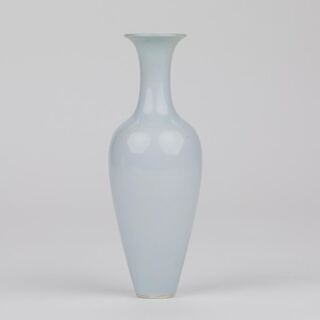 Chinese Clair-de-lune Porcelain Vase w/ Box, MarkedSold For $270,000
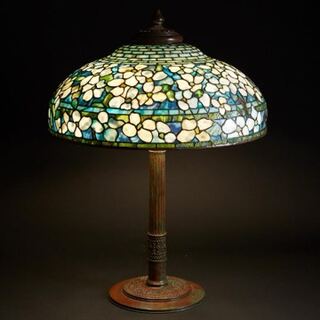 Tiffany Studios Leaded Glass and Bronze "Dogwood" LampSold For $60,000
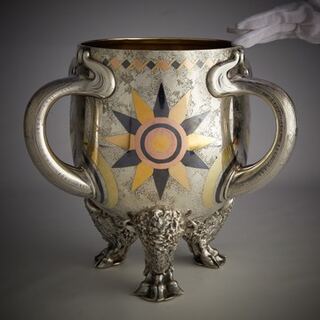 Large Tiffany Sterling Trophy Cup, 83.21 Troy ozSold For $44,000
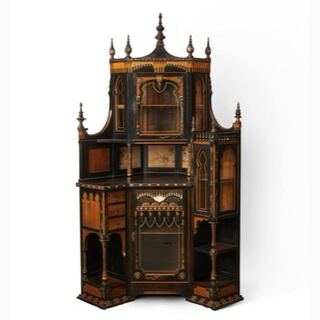 Carlo Bugatti Monumental Corner CabinetSold For $40,000
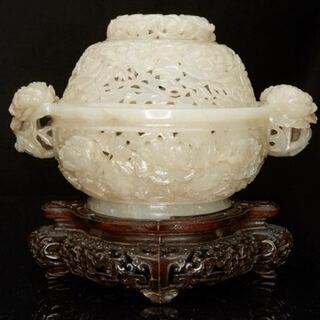 18th c. Chinese Reticulated Jade Censer with StandSold For $34,000
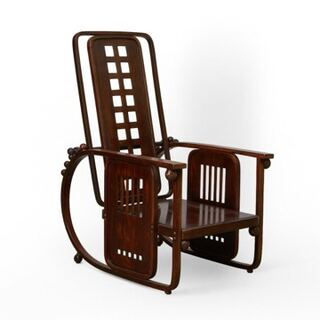 Joseph Hoffmann for Kohn "Sitzmaschine" ChairSold For $15,000
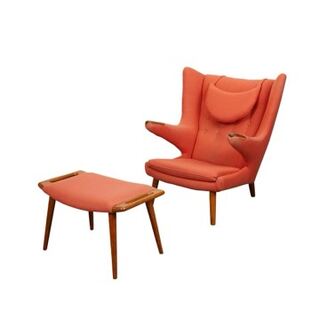 Hans Wegner AP Stolen "Papa Bear" Chair & OttomanSold For $15,000
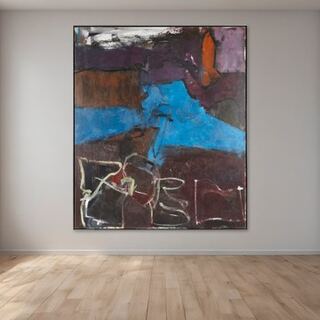 Grace Hartigan "Dublin" Oil Painting 1958-59Sold For $525,000