
Pâte de Verre
Glass Paste, Cast in a Mould
Interested in selling a work by pâte de verre?
Pâte de verre means glass paste, and it describes a method rather than a style: finely ground glass is mixed into a paste with a binder, packed into a mould, and fused in a kiln. Because the glass never becomes fully liquid, the result keeps a soft, granular, faintly sugary quality that blown or pressed glass does not have, and colour can be laid in deliberately, area by area, before firing.
If you have a piece you think may be pâte de verre, send photographs through our free auction estimate form — including the base and any moulded signature.
What Is Pâte de Verre?
The technique is ancient and was effectively lost for centuries. Its revival was a nineteenth-century French project, driven by artists trying to recover how Egyptian and Roman glass had been made, and it became one of the characteristic materials of French art nouveau and art deco.
Three names dominate. Gabriel Argy-Rousseau made vases, bowls, lamps and plaques in a distinctive, muted, densely coloured style — we have a separate page on his work. Amalric Walter, working for a period at Daum in Nancy, produced naturalistic pieces with lizards, insects and figures modelled in relief. Daum itself made pâte de verre both in that era and again in the modern period, which is a common source of confusion about age.
How Do I Recognise It?
The visual test is the surface. Pâte de verre is typically matte or softly satin, slightly granular, and often faintly translucent rather than clear, with colours that sit in zones rather than swirling together. Held to light it glows rather than sparkles. Pressed glass, by contrast, is glossy and uniform, and blown glass shows movement in the wall.
Signatures are usually moulded into the piece rather than engraved, because the mark was part of the mould. Look on the base and around the lower body. Modern Daum pâte de verre is plentiful and clearly marked, and it is a different market from period work — establish which era you are in before anything else.
How Much Is My Pâte de Verre Worth Worth?
Several things determine what a work by Pâte de Verre brings at auction:
- Maker and period — period French work against modern production, which is the first and largest question
- Modelling — relief figures, insects and animals are more demanding and more sought after than plain forms
- Colour — the depth and control of the colour is the whole appeal of the technique
- Scale and form — lamps, large vases and plaques against small bowls and dishes
- Condition — the granular surface hides small chips well, so check rims and high points carefully under raking light
The honest answer is that no two are alike, and the difference between an ordinary example and an exceptional one is a conversation with a specialist, not a chart. Send us photographs through our free auction estimate form — front, back, signature, and any labels — and we will tell you what you have.
The Market for pâte de verre
Period pâte de verre has a steady international market, and the strongest pieces reach well into five figures. Modern production is common, competently made, and modest. Because the two look related and both carry French names, the gap between them surprises people.
This is a category where a specialist eye earns its keep quickly. The surface test, the signature style, the colour handling and the mould quality are all readable in the object and not readily readable in a quick online search, which is why we would rather look at photographs than have anyone guess.
How to Sell a Work by pâte de verre
The strongest results for a piece of pâte de verre come at auction, where national and international collectors bid against each other. Revere Auctions offers free, no-obligation auction estimates: send photos and dimensions and our specialists respond with a current market valuation and a recommendation on how to sell. Consigned works are professionally photographed, cataloged, and marketed through our fine art auctions to a worldwide bidder base, and we regularly arrange shipping for consignors across the country. If you need a formal written valuation for insurance or estate purposes, our appraisal and valuation services team can help; you can also read more about how selling at auction works.
Related: studio art glass artists, our fine art department, appraisal services, free auction estimates.
Reviewed by the fine art specialists at Revere Auctions, St. Paul, Minnesota.
Pâte de Verre: Frequently Asked Questions
What does pâte de verre mean?
Glass paste. Finely ground glass is mixed with a binder, packed into a mould and fused in a kiln, so the glass never becomes fully liquid and keeps a soft, granular surface.
How can I tell pâte de verre from pressed glass?
By the surface. Pate de verre is matte or satin, slightly granular and often translucent rather than clear, with colour sitting in defined zones. Pressed glass is glossy and uniform.
Who made pâte de verre?
The best known are Gabriel Argy-Rousseau, Amalric Walter, and Daum of Nancy. Daum has also made it in the modern era, which is a frequent source of confusion about age.
Is modern Daum pâte de verre valuable?
It is competently made and widely available, and it sits well below period French work. Establishing the era is the first step in any valuation.
Interested in purchasing a a piece of pâte de verre work?
If you would like to learn more about the value of your a piece of pâte de verre works, contact us today for a free auction estimate.
Exceptional Results
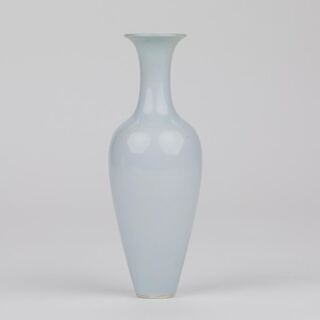 Chinese Clair-de-lune Porcelain Vase w/ Box, MarkedSold For $270,000
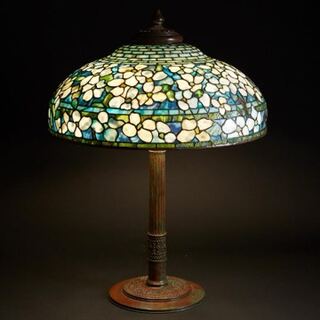 Tiffany Studios Leaded Glass and Bronze "Dogwood" LampSold For $60,000
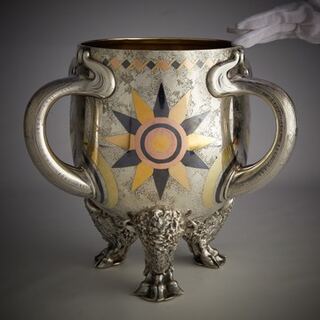 Large Tiffany Sterling Trophy Cup, 83.21 Troy ozSold For $44,000
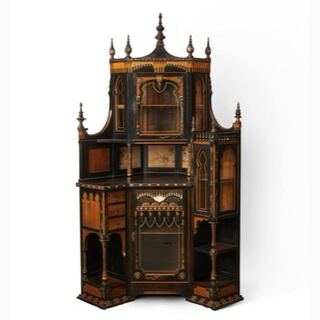 Carlo Bugatti Monumental Corner CabinetSold For $40,000
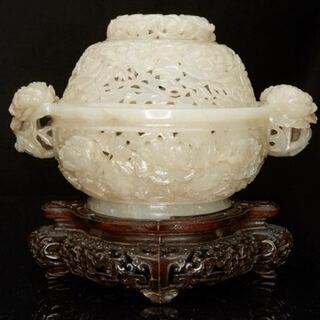 18th c. Chinese Reticulated Jade Censer with StandSold For $34,000
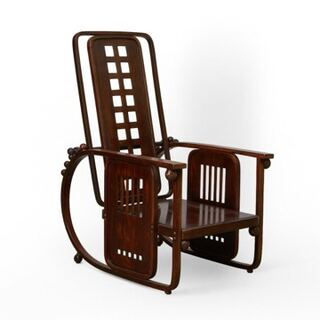 Joseph Hoffmann for Kohn "Sitzmaschine" ChairSold For $15,000
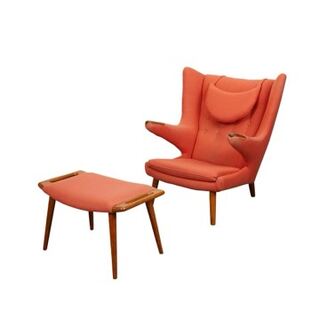 Hans Wegner AP Stolen "Papa Bear" Chair & OttomanSold For $15,000
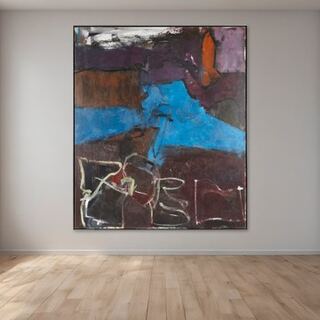 Grace Hartigan "Dublin" Oil Painting 1958-59Sold For $525,000