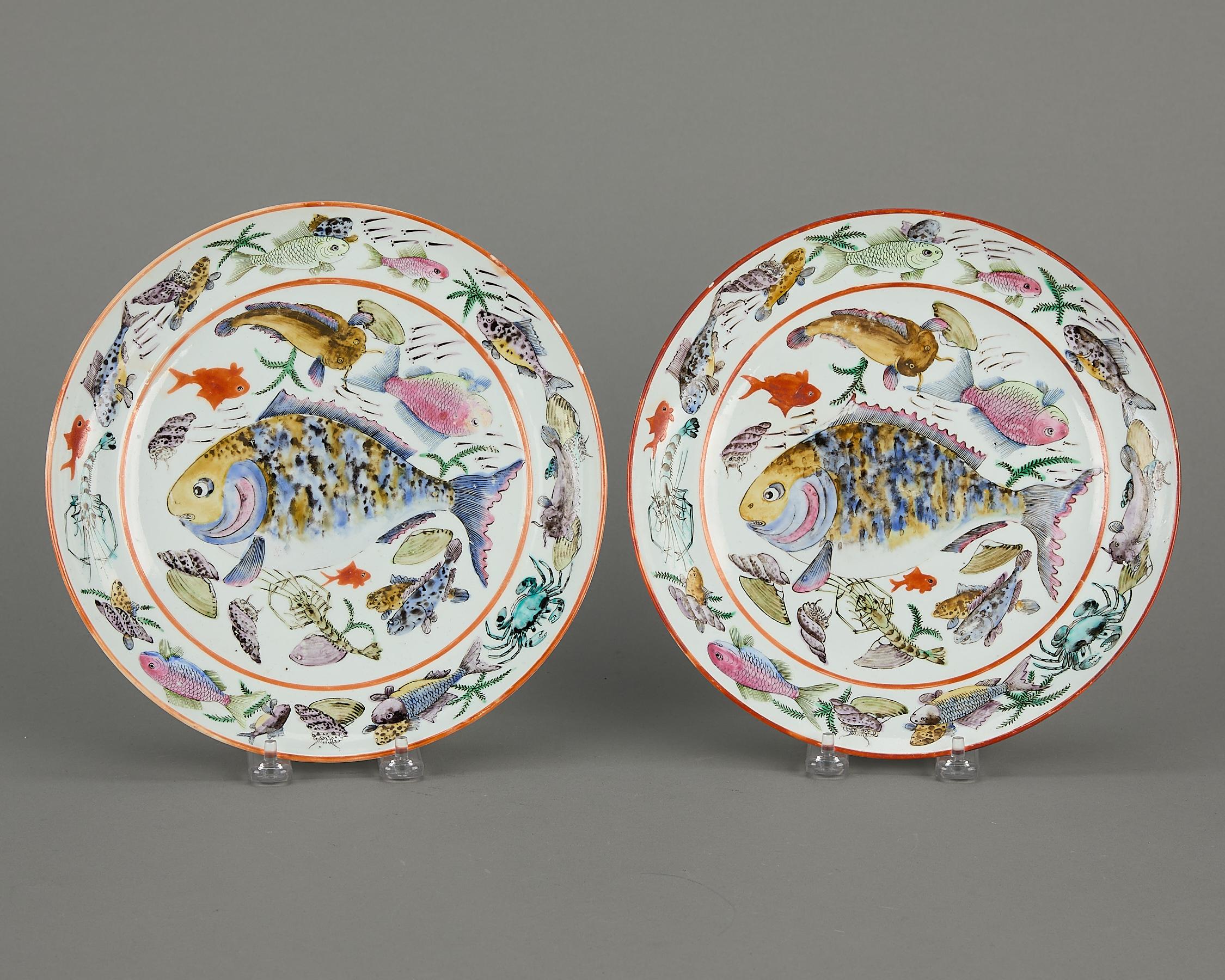
Chinese Export Porcelain

Pair 18th c. Chinese Export Porcelain Vases, Sold: $40,000 by Revere Auctions
We have received top dollar for Chinese Export Porcelain. Auction is the best way to quickly and transparently get maximum dollar for your artwork.
History, Identification, and Auction Values
For more than three centuries, Chinese export porcelain has stood at the intersection of global trade, artistic mastery, and enduring market demand. It is not merely decorative ware. It is a record of cultural exchange: porcelain made in China for the West, shaped by European taste, and executed by some of the most skilled ceramicists in the world.
Today, Chinese export porcelain continues to command strong prices at auction. From blue and white chargers to elaborate armorial services and monumental punch bowls, collectors compete for pieces that combine craftsmanship, rarity, and provenance.
From early Ming dynasty kraak porcelain to 18th century Chinese export porcelain in vibrant famille rose, these wares represent centuries of cultural exchange, craftsmanship, and international demand.
This guide explores the history, artistry, and current auction market for Chinese export porcelain, and what drives value in today’s collecting landscape.
Interested in selling Chinese Export Porcelain?
The Origins of Chinese Export Porcelain
Chinese export porcelain flourished during the late Ming and early Qing dynasties, when global demand transformed a refined domestic art into an international phenomenon.
When Marco Polo traveled through China in the late 13th century, he described Jingdezhen as “where they make the most beautiful cups in the world.” He was so struck by the material’s durability and sheen that he named it porcellana, after the lustrous cowrie shell.
To Europe and the Middle East, porcelain was a mystery. Some believed it was hardened resin. Others believed it had been buried underground for centuries. In truth, it was the result of advanced ceramic technology centered in Jingdezhen, which became the major source of porcelain for the imperial court and for export markets from the 13th through early 19th century.
By 1050, Jingdezhen was already producing translucent white wares known as qingbai. Trade with the Middle East introduced Persian cobalt, enabling underglaze blue decoration and the foundation of Chinese blue-and-white porcelain. By the late 1300s, blue-and-white replaced celadon as the dominant export ceramic.
The true turning point for Chinese porcelain was the expansion of 16th and 17th-century maritime trade. Portuguese and Spanish vessels first carried porcelain westward, followed by the Dutch and English East India Companies, which industrialized the trade. During the 1600s, the Dutch imported an estimated 16 million pieces, with England importing 25–30 million. Jingdezhen kilns began producing wares specifically tailored to Western markets, incorporating coats of arms, biblical scenes, Rococo ornament, and fully customized dinner services.
Academic research confirms that porcelain was among the most significant cultural exports of early modern China, reshaping dining, collecting, and interior display traditions across Europe and the Americas.
Today, institutions and collectors alike preserve extraordinary examples of Chinese export porcelain, reinforcing its status as fine Asian art and a serious collectible category.
What Is Chinese Export Porcelain?
Chinese export porcelain refers to wares produced in China specifically for foreign markets.
Unlike domestic Chinese ceramics, export porcelain often reflects:
- Western dining forms (handled teacups, lidded tankards, tureens)
- European heraldry and coats of arms
- Christian iconography
- Baroque and Rococo decorative tastes
- Customized commissions for families, societies, and institutions
Export porcelain was tailored to Muslim, Ottoman, European, and later American markets. Muslim buyers favored large serving platters and revered the color blue. Ottoman rulers collected porcelain for over 600 years; Istanbul’s Topkapi Palace houses one of the world’s greatest collections.

The walls of the Topkapi Palace covered in blue porcelain tile
European and American clients commissioned entire services decorated with family coats of arms, creating what we now call Chinese armorial porcelain.

Chinese export British East Indian company Armorial porcelain tureen, ca. 1790-1810.
Famous Types of Chinese Export Porcelain
Kraak Porcelain (Ming Dynasty)
Early blue-and-white export ware characterized by panelled designs. Highly collectible.
Kangxi Period Blue and White (1662–1722)
Blue and white porcelain produced during the Kangxi period (1662–1722) is prized for its deep cobalt tones, elegant forms, and exceptional technical control. The finest examples show remarkable precision in the application of underglaze blue, with crisp decoration and very little bleeding of the pigment into the glaze. Many pieces also display subtle translucency along thinner areas of the porcelain body, particularly along the rims and edges of plates, where the light reveals the refinement of the paste. Well-preserved Kangxi blue and white wares consistently perform strongly at auction and remain a cornerstone of serious porcelain collections.

Famille Verte
Famille Verte porcelain emerged in the late 17th century and is distinguished by its vibrant enamel palette dominated by greens, often accented with iron red, yellow, and blue. This decorative style predates the softer pink and red enamels that would define the famille rose palette of the 18th century. Famille Verte wares are celebrated for their bold color contrasts and lively narrative decoration, representing an important transitional moment in the development of Chinese export porcelain.


Kraak Porcelain (Ming Dynasty)
Produced for the European East India trade in the 18th century, Compagnie des Indes porcelain was created specifically for Western markets through the networks of the French and Dutch East India companies. Many examples feature armorial decoration or European-inspired designs, reflecting the growing demand among European collectors for personalized porcelain services.
Chinese Armorial Porcelain
Chinese armorial porcelain was custom commissioned by European and later American families, decorated with their coats of arms or heraldic crests. Because these pieces can often be traced to specific families and historical commissions, they remain highly collectible and frequently attract strong interest at auction.

The Society of the Cincinnati Porcelain
A famous group of custom dinnerware created in the late 1700s for the Society of the Cincinnati, an exclusive organization of American Revolutionary War officers. Crafted in Canton, China, these highly collectible pieces are decorated with the Society’s bald eagle emblem, which Chinese artisans hand-painted using sketches brought over by early American merchants.

Because George Washington famously purchased a massive 302-piece set, this specific armorial porcelain is considered a historic masterpiece in the Asian art market, often commanding premium prices when individual pieces cross the auction block today.
Canton Porcelain (19th Century)
Dense decoration, often more accessible in price but still valuable in exceptional examples. This porcelain was often used as ballast on ships and was imported in massive quantities. While the plates are not worth more than $10, rarer forms such as boxes or lobed bowls can reach demand into the hundreds.

How to Identify Chinese Export Porcelain
1. Decoration Style
- Blue and white underglaze cobalt
- Famille rose enamel palettes
- Famille verte or famille jaune enamels
- Chinese Imari (influenced by Japanese export porcelain styles)
- European art motifs
2. Western Forms
- Teacups with side handles
- Tankards
- Tureens with baroque appendages
- Chinese porcelain dishes sized for European dining
3. Armorial Crests
European coats of arms, often painted in enamel.
4. Marks
Chinese export porcelain marks vary. Many 18th century pieces are unmarked, while later Canton porcelain may feature apocryphal reign marks. Porcelain manufactured for Chinese taste and domestic use often has Chinese characters for particular factories or reigns. Export porcelain pieces are often unmarked which makes them more difficult to research.
5. Underglaze and Enamel Technique
Early wares show strong cobalt penetration under the glaze. Later 19th-century pieces may show denser enamel decoration.
Export wares of the late 18th century fall into two groups, lower price underglaze blue wares and more expensive and elaborate overglaze enamels.
Professional authentication is critical. At Revere Auctions, our Asian art specialists evaluate glaze quality, firing consistency, form, and stylistic accuracy to determine authenticity and period.
Porcelain vs Earthenware: Why It Matters
Not all antique Chinese pottery is porcelain.
Porcelain is made from kaolin clay and fired at high temperatures, producing:
- Translucency
- Strength
- Refined white body
- Resonant tone when tapped
earthenware lacks this refinement and translucency. In auction terms, true porcelain commands significantly higher value than ordinary antique Asian pottery.
What Makes Chinese Export Porcelain Valuable at Auction?
The value of Chinese export porcelain varies widely depending on several key factors. Experienced collectors and auction specialists evaluate these pieces based on period, condition, rarity, craftsmanship, and provenance.
1. Period
The age of a piece is one of the most important determinants of value. Earlier wares from the Kangxi (1662–1722) and Qianlong (1736–1795) periods typically command stronger prices than later 19th-century examples due to their superior craftsmanship, historical importance, and relative scarcity.
2. Condition
Condition has a direct and measurable impact on auction performance. Hairline cracks, restoration, rim chips, or glaze wear can significantly reduce value. Collectors consistently pay premiums for pieces that remain clean, structurally sound, and free of restoration.
3. Rarity
Unusual or sculptural forms often attract the most competitive bidding. Monumental punch bowls, covered tureens, elaborate tea services, and figural wares (animals, birds, or human figures) are typically produced in smaller quantities and are therefore more desirable in today’s market.
4. Decoration Quality
Strong cobalt tones in blue and white porcelain, finely controlled enamel work, and balanced compositions are hallmarks of high-quality production. Conversely, rushed or poorly executed decoration is easily recognized and tends to perform less strongly at auction.
5. Provenance
Documented ownership history can elevate a piece dramatically. Armorial porcelain tied to identifiable families or pieces originating from well-known collections often generate significant interest at auction.
Some historic porcelain collections can even be traced back to the early 18th century, such as those assembled by Augustus the Strong of Saxony, whose passion for Chinese porcelain helped shape some of the most important European collections.
Interested in selling a Chinese Export Porcelain?
Selling Chinese Export Porcelain
If you are considering selling:
- Do not attempt amateur restoration
- Preserve provenance documentation
- Separate later vintage Chinese porcelain from earlier antique Chinese porcelain
- Seek expert appraisal
Revere Auctions is a leading auction house specializing in Chinese porcelain and Asian art. Our expertise in export markets, armorial wares, famille rose porcelain, and rare Chinese porcelain ensures material is accurately attributed, strategically marketed, and competitively presented to a global buyer base.
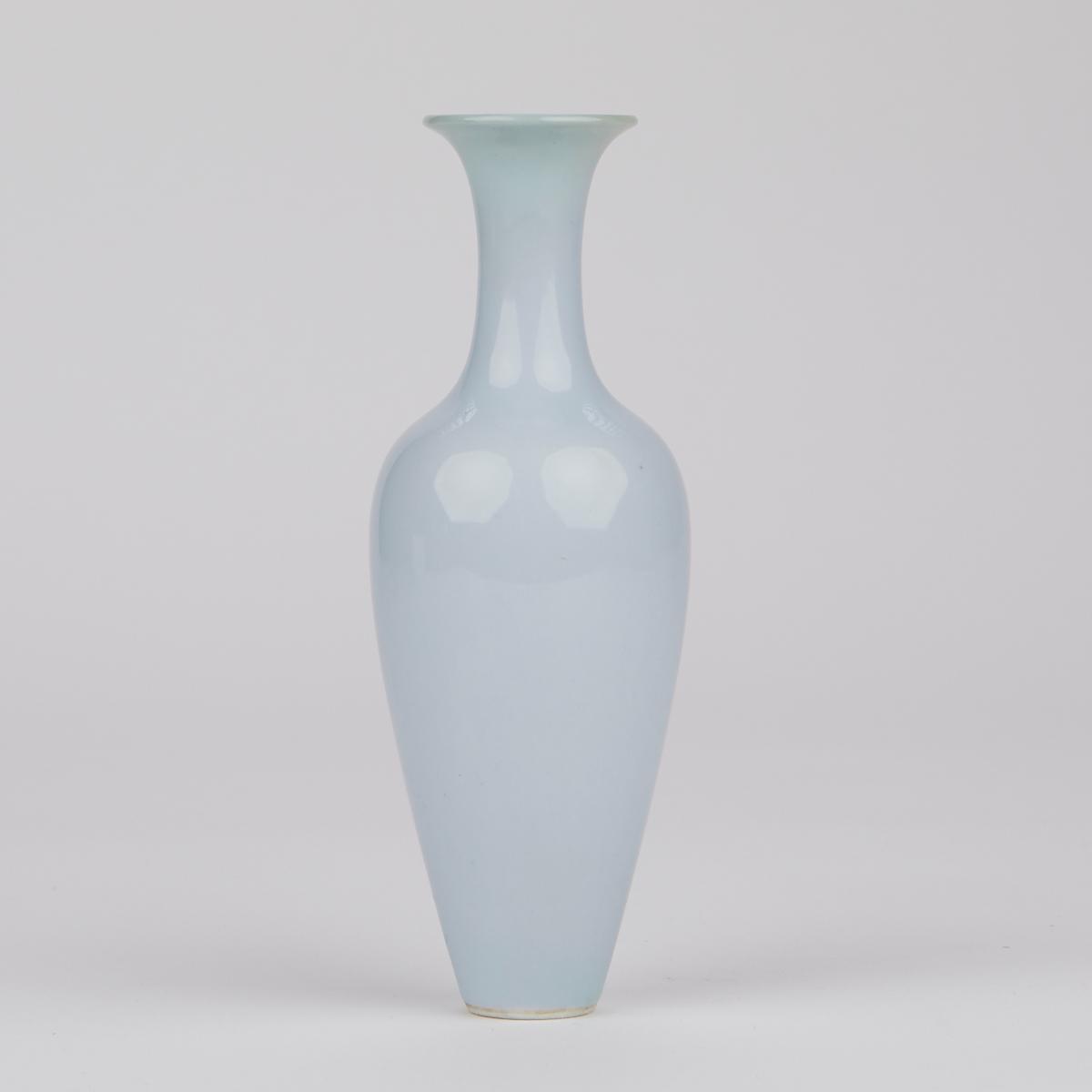
Chinese Clair-de-lune Porcelain Vase w/ Box - Marked
Sold For $270,000
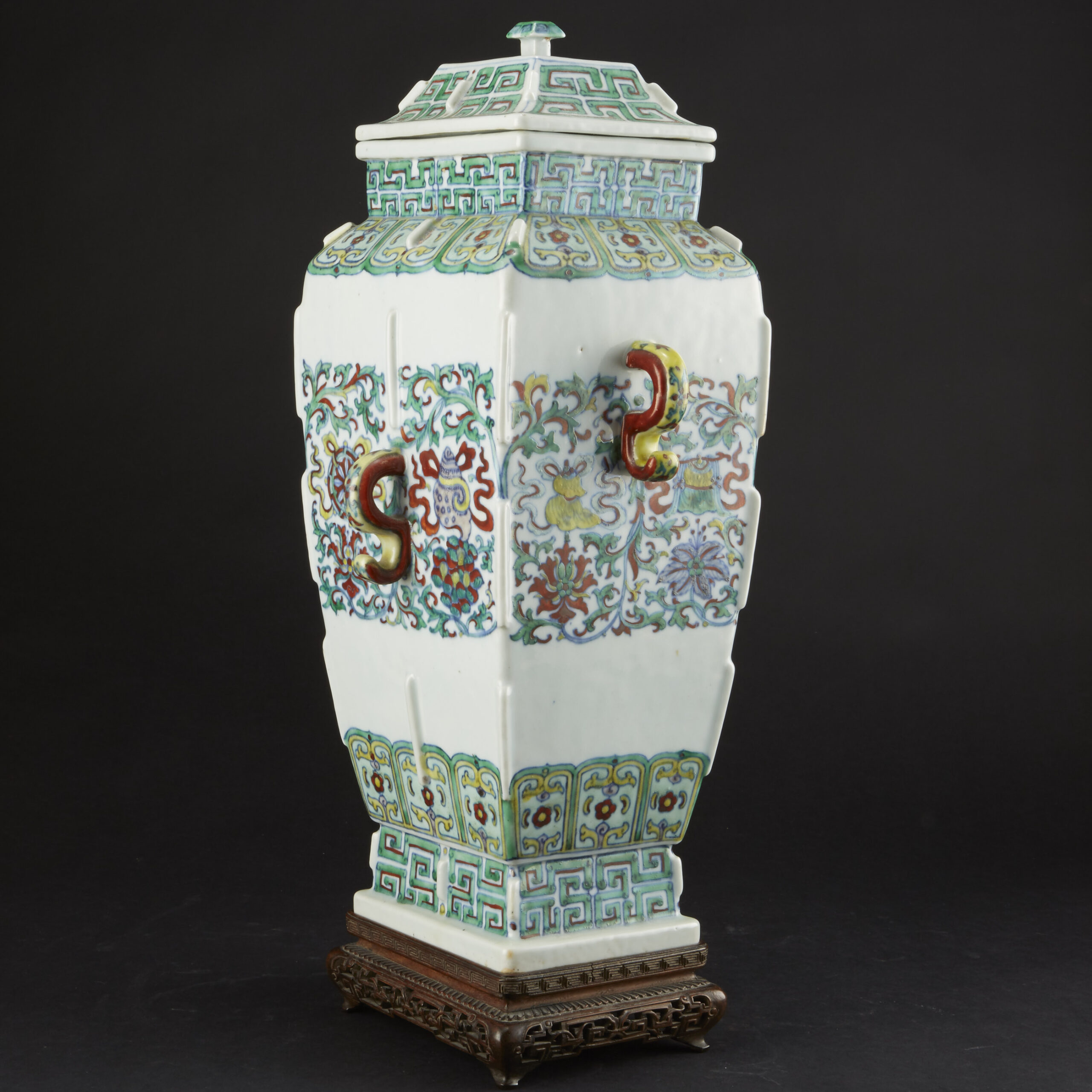
Fine and Rare Chinese Doucai Porcelain Vase in an Archaic Bronze Form - Wooden Stand
Sold For $95,000
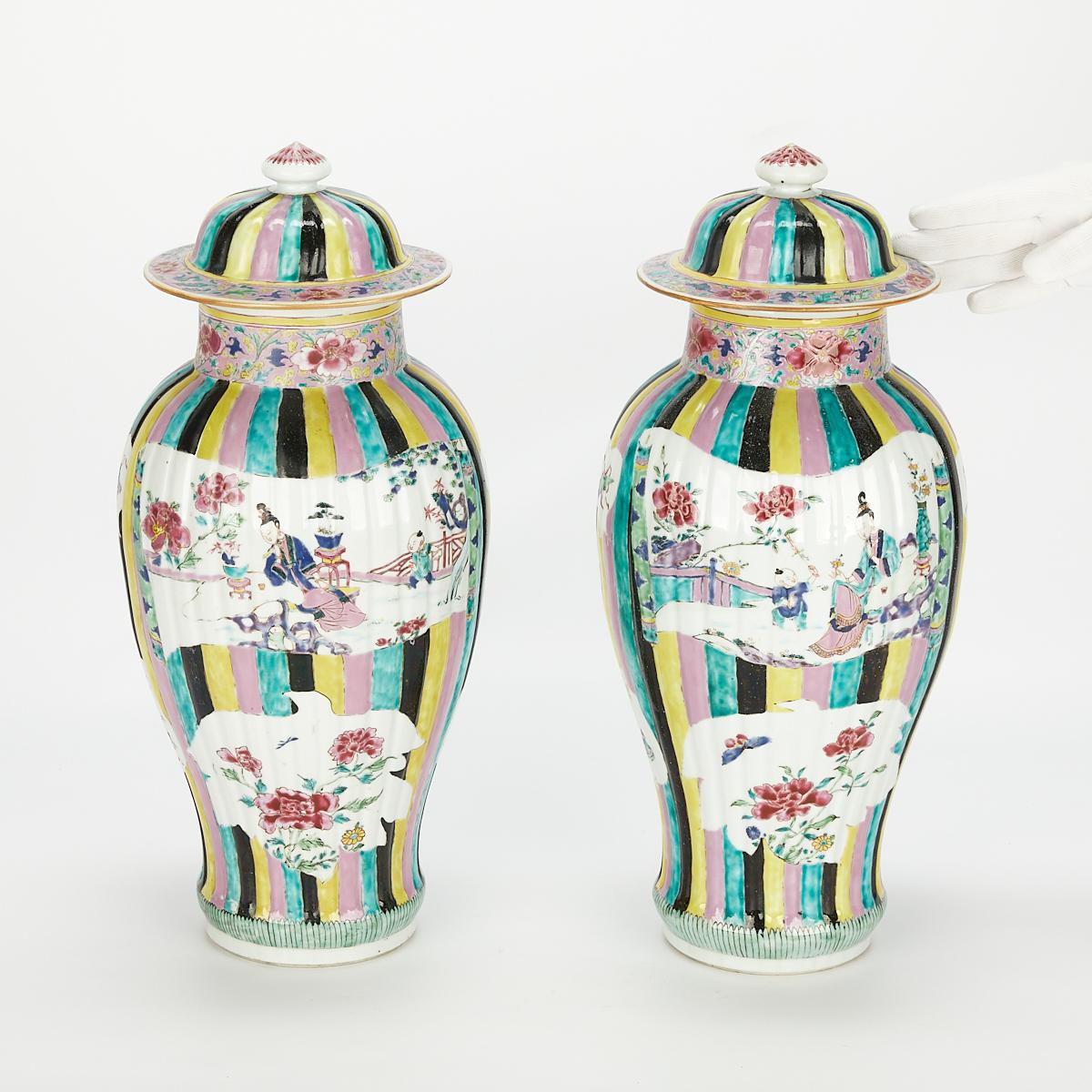
Pair 18th c. Chinese Export Porcelain Vases
Sold for $40,000
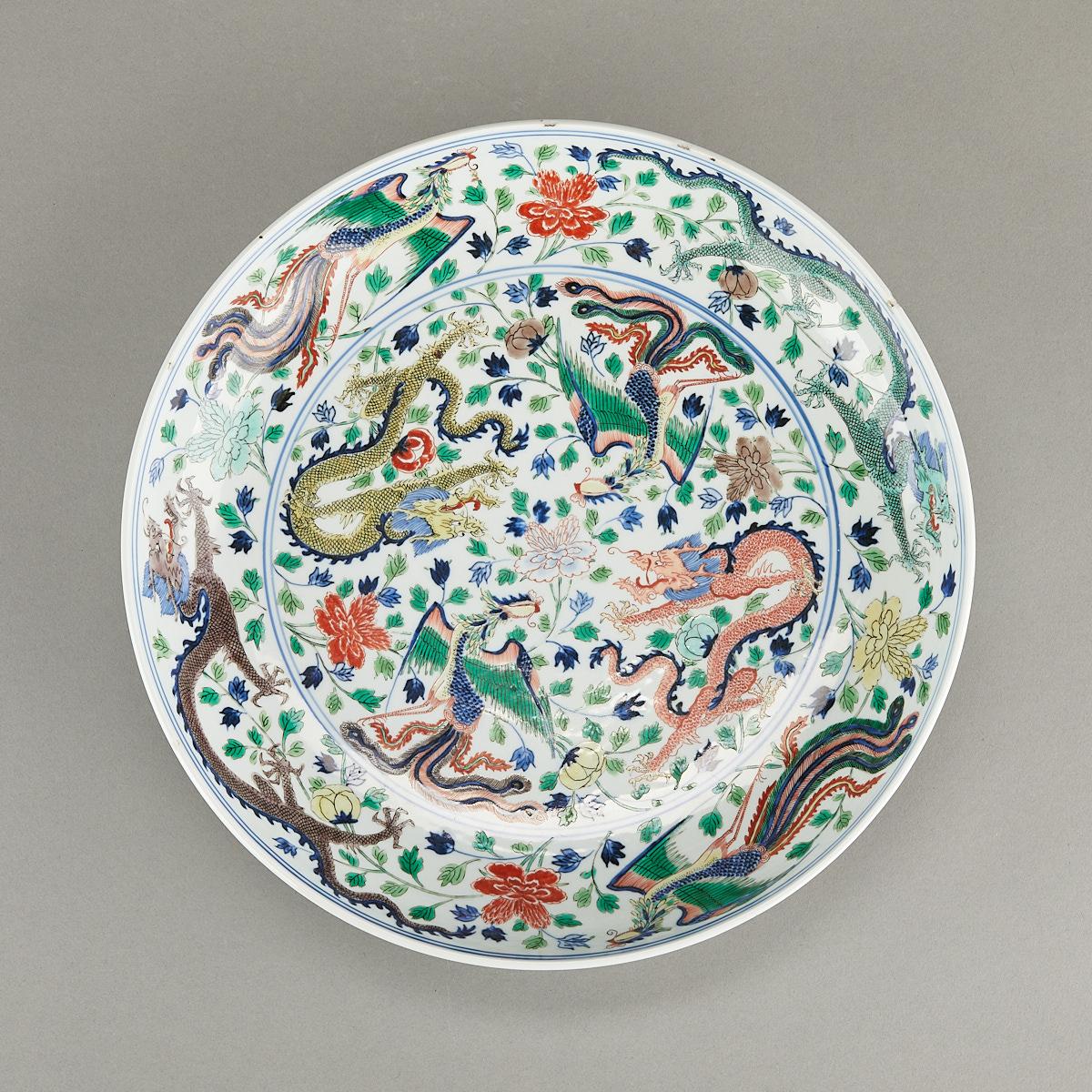
Chinese 20th c. Porcelain Famille Verte Charger
Sold For $40,000.
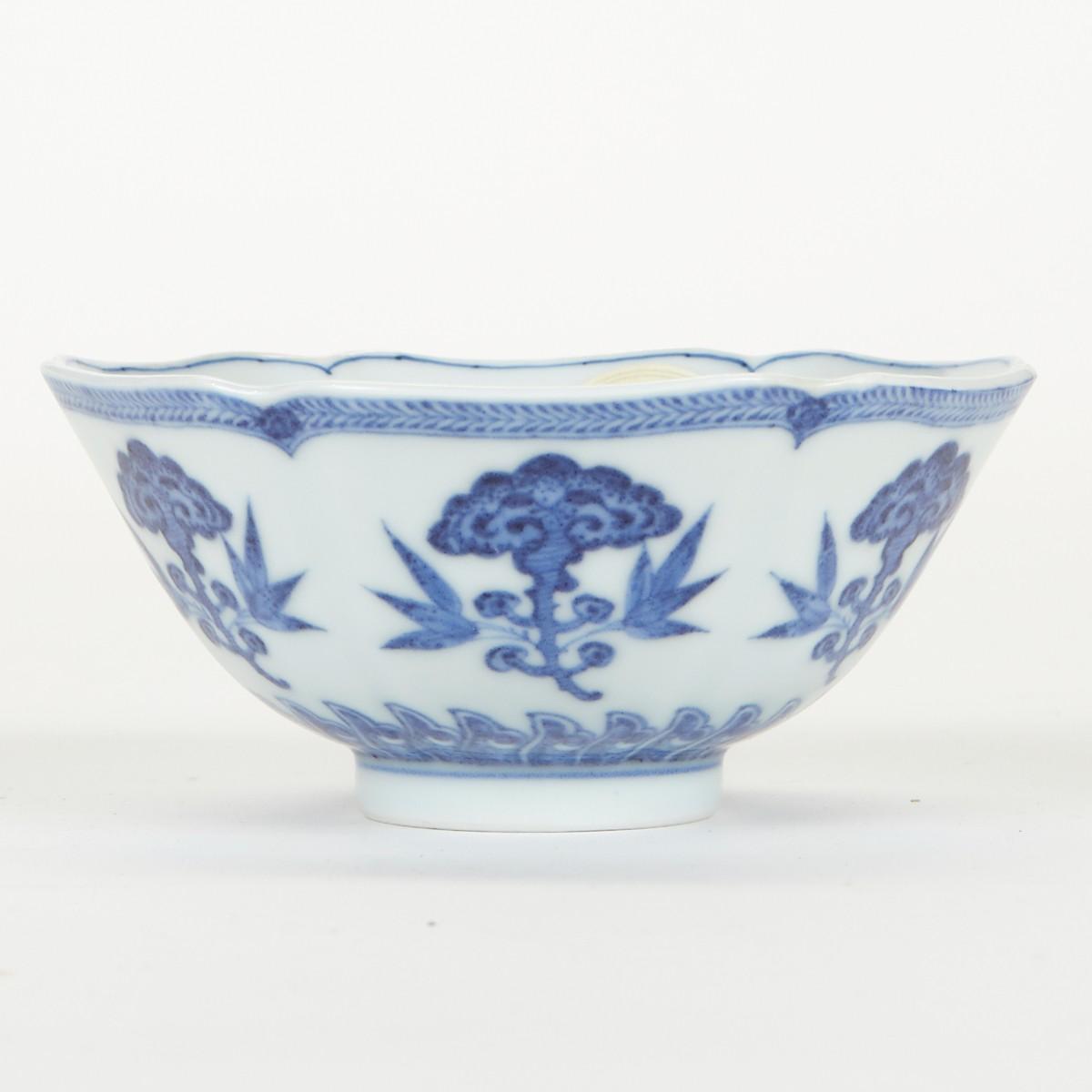
Rare Imperial Blue and White Bowl Qianlong
Sold For $26,000
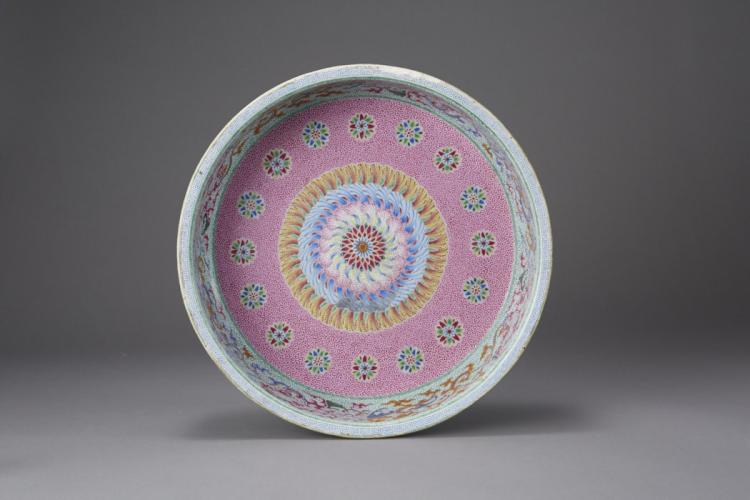
Chinese 18th Century Porcelain Famille Rose Basin with Phoenix, Likely Imperial Workshop
Sold For $14,000