
Clichy Paperweights
The French Classic Period, about 1845–1860
Interested in selling a work by Clichy paperweights?
Clichy weights are, piece for piece, among the most valuable paperweights there are. The house operated near Paris during the brief classic period around 1845 to 1860, and its work combines colour sense and technical control in a way collectors have never stopped paying for.
It is also the most imitated name in the field. If you think you have one, send photographs through our free auction estimate form — one looking straight down through the dome, one at an angle, one of the base.
What Was Clichy?
Clichy was a commercial glassworks that made paperweights during a short window in the middle of the nineteenth century, alongside Baccarat and Saint Louis. Between them these three houses established what a fine paperweight is, and then the fashion passed and they moved on to other things.
What distinguishes Clichy is colour. The house used a palette — particularly its pinks, greens and turquoises — that the others did not match, and it arranged canes with a confidence that reads as design rather than pattern-making. Its swirl weights, colour-ground weights and the elevated piedouche form are among the most sought-after objects in the whole field.
How Do I Recognise a Clichy?
The identifying feature is the Clichy rose: a cane made of flattened glass ribbons rolled to form a small rose, usually pink and green, tucked into the design. A weight containing a genuine Clichy rose is very likely a Clichy. Some weights also carry a C cane, and a small number are signed in full.
Beyond the rose, look at the ground the canes sit on — Clichy used coloured opaque grounds, filigree grounds and moss grounds — and at the overall arrangement, which tends to be more open and more deliberately composed than its competitors. The classic forms include concentric and patterned millefiori, swirls, close-packs, and the piedouche, which sits on a raised foot.
How Much Is My Clichy Paperweight Worth Worth?
Several things determine what a work by Clichy Paperweights brings at auction:
- Genuine Clichy rose — its presence is the single strongest indicator of attribution
- Form — swirls, piedouche and colour-ground weights lead the market; simple scrambles sit well below
- Ground — a fine moss, filigree or coloured ground adds substantially
- Colour and condition of the canes — crisp, clean, well-spaced canes against muddled ones
- Dome condition — bruising and scratching in the dome, and any repolishing that has flattened the profile
The honest answer is that no two are alike, and the difference between an ordinary example and an exceptional one is a conversation with a specialist, not a chart. Send us photographs through our free auction estimate form — front, back, signature, and any labels — and we will tell you what you have.
The Market for Clichy paperweights
Clichy carries the highest median of the three classic French houses in the sales we track. It is not a large market by volume — a few hundred lots over several years — but the good examples are chased hard by a small, informed and international group of collectors.
Attribution is everything here, which is why an unattributed nineteenth century French weight and a confirmed Clichy are separated by a very large sum. The modern Scottish maker John Deacons makes weights that quote Clichy rose designs closely and signs them; those are excellent objects and they are not Clichys. Untangling that is the first thing a specialist does.
How to Sell a Work by Clichy paperweights
The strongest results for a Clichy paperweight come at auction, where national and international collectors bid against each other. Revere Auctions offers free, no-obligation auction estimates: send photos and dimensions and our specialists respond with a current market valuation and a recommendation on how to sell. Consigned works are professionally photographed, cataloged, and marketed through our fine art auctions to a worldwide bidder base, and we regularly arrange shipping for consignors across the country. If you need a formal written valuation for insurance or estate purposes, our appraisal and valuation services team can help; you can also read more about how selling at auction works.
Related: studio art glass artists, our fine art department, appraisal services, free auction estimates.
Reviewed by the fine art specialists at Revere Auctions, St. Paul, Minnesota.
Clichy Paperweights: Frequently Asked Questions
What is a Clichy rose?
A distinctive cane made from flattened glass ribbons rolled into a small rose, usually pink and green, that Clichy set into its weights. It is the most reliable identifying feature of the house.
How much is a Clichy paperweight worth?
Clichy carries the highest median of the three classic French houses. Swirls, piedouche and fine colour-ground weights lead; simple scrambles are far more modest. Revere Auctions provides free estimates from photographs.
My weight has Clichy roses but is signed John Deacons. What is it?
A modern Scottish weight made in the classic French idiom. Deacons quotes Clichy motifs deliberately. It is a good object in its own right, but it is not a nineteenth century Clichy.
What is a piedouche weight?
A paperweight raised on a moulded foot rather than sitting flat. Clichy piedouche weights are among the most sought-after forms in the field.
Interested in purchasing a a Clichy paperweight work?
If you would like to learn more about the value of your a Clichy paperweight works, contact us today for a free auction estimate.
Exceptional Results
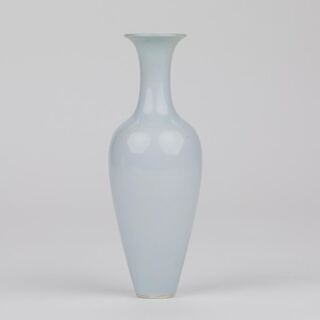 Chinese Clair-de-lune Porcelain Vase w/ Box, MarkedSold For $270,000
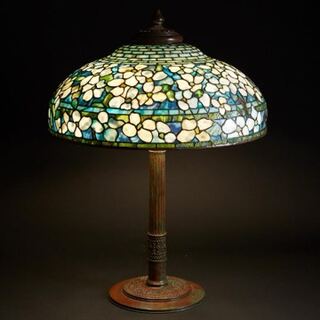 Tiffany Studios Leaded Glass and Bronze "Dogwood" LampSold For $60,000
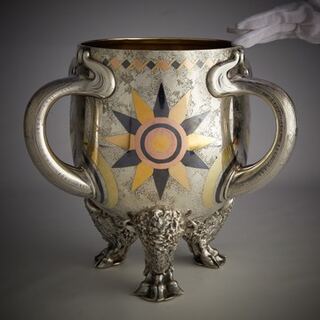 Large Tiffany Sterling Trophy Cup, 83.21 Troy ozSold For $44,000
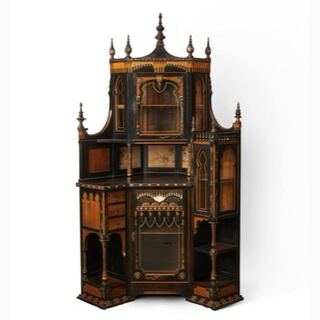 Carlo Bugatti Monumental Corner CabinetSold For $40,000
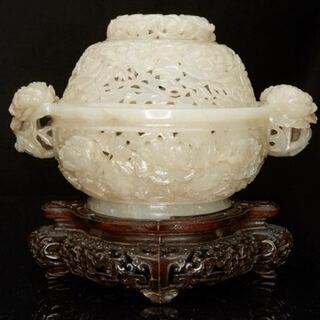 18th c. Chinese Reticulated Jade Censer with StandSold For $34,000
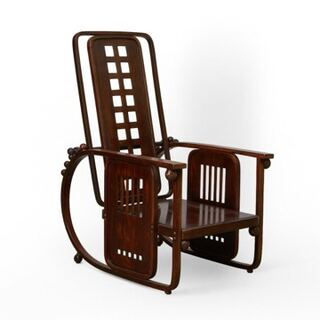 Joseph Hoffmann for Kohn "Sitzmaschine" ChairSold For $15,000
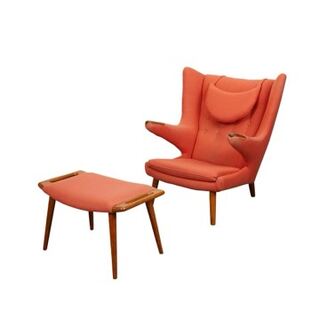 Hans Wegner AP Stolen "Papa Bear" Chair & OttomanSold For $15,000
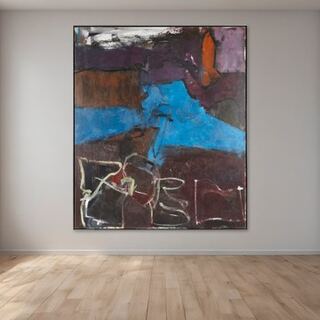 Grace Hartigan "Dublin" Oil Painting 1958-59Sold For $525,000