
The Lotton Family
Charles Lotton and Three Generations of American Art Glass
Interested in selling a work by Lotton glass?
Charles Lotton taught himself to make glass from books, in Illinois, having previously been a hairdresser. He had no training, no apprenticeship and no tradition behind him, and he built one of the most recognisable bodies of American art glass of the last fifty years — iridescent, floral, technically ambitious work that owes an obvious debt to Tiffany and Steuben and does not look like either.
Lotton glass appears in American estates constantly. If you have a piece, send photographs through our free auction estimate form — and photograph the signature, because which Lotton made it matters.
Who Was Charles Lotton?
Lotton was born in 1935 and started making glass in the early 1970s, working out the chemistry and the technique largely by experiment. He was picked up early by a major museum shop, which gave a self-taught maker in the Midwest a national platform almost immediately, and he worked steadily for the next five decades until his death in 2021.
The studio became a family business, and this is the crucial fact for anyone valuing a piece. His sons David, John and Daniel all became glassmakers and all sign their own work. The styles overlap because they were trained by the same person in the same shop, and the signatures are the reliable way to tell them apart. Pieces by Charles himself generally lead the market.
What Does Lotton Glass Look Like?
The signature Lotton pieces are vases and bowls with flowers, leaves and vines worked internally into the glass wall — the Multi Flora and Lotton Lily designs are the best known — often over iridescent or richly coloured grounds. Other recurring effects include cased and pulled-feather decoration and deep, saturated single-colour bodies with internal detail.
Everything is signed and dated on the base, usually with the maker’s full name. That is the first thing to photograph. A piece signed Charles Lotton and a piece signed by one of his sons are different lots, and a piece signed only Lotton needs a closer look.
How Much Is My Lotton Glass Worth Worth?
Several things determine what a work by The Lotton Family brings at auction:
- Which Lotton — Charles generally leads; David, John and Daniel each have their own markets
- Design — the named decorative types are not equally sought after
- Scale and form — large and unusual forms do better than standard vases
- Date — a fifty-year output covers a lot of variation in ambition
- Condition — iridescent surfaces scratch and rims chip; both are very visible
The honest answer is that no two are alike, and the difference between an ordinary example and an exceptional one is a conversation with a specialist, not a chart. Send us photographs through our free auction estimate form — front, back, signature, and any labels — and we will tell you what you have.
The Market for Lotton glass
Lotton is a high-volume name — well over a thousand pieces have sold at auction since 2018, through more than a hundred and fifty different salerooms — and most of it sells for a few hundred dollars. The exceptional pieces reach several thousand. It is a market with a very long, flat tail and a short peak.
What that means practically is that a single Lotton vase is a modest lot and a properly sorted Lotton collection is a much better one. Where a household has accumulated a dozen pieces over the years, separating the strong examples from the routine ones, and attributing each to the right family member, is where the value in the consignment actually is.
How to Sell a Work by Lotton glass
The strongest results for a piece of Lotton glass come at auction, where national and international collectors bid against each other. Revere Auctions offers free, no-obligation auction estimates: send photos and dimensions and our specialists respond with a current market valuation and a recommendation on how to sell. Consigned works are professionally photographed, cataloged, and marketed through our fine art auctions to a worldwide bidder base, and we regularly arrange shipping for consignors across the country. If you need a formal written valuation for insurance or estate purposes, our appraisal and valuation services team can help; you can also read more about how selling at auction works.
Related: studio art glass artists, our fine art department, appraisal services, free auction estimates.
Reviewed by the fine art specialists at Revere Auctions, St. Paul, Minnesota.
The Lotton Family: Frequently Asked Questions
How do I tell which Lotton made my piece?
By the signature on the base, which normally gives the full name and a date. Charles, David, John and Daniel Lotton all sign their own work and have separate markets.
How much is Charles Lotton glass worth?
Most pieces sell in the hundreds; exceptional examples reach several thousand. Design, scale and condition drive it. Revere Auctions provides free estimates from photographs.
Was Charles Lotton self-taught?
Yes. He learned glassmaking from books and experiment in the early 1970s with no formal training, and built an internationally collected studio.
What is Multi Flora?
One of the best known Lotton decorative types, with flowers and foliage worked internally into the wall of the vessel. Lotton Lily is another.
Interested in purchasing a a piece of Lotton glass work?
If you would like to learn more about the value of your a piece of Lotton glass works, contact us today for a free auction estimate.
Exceptional Results
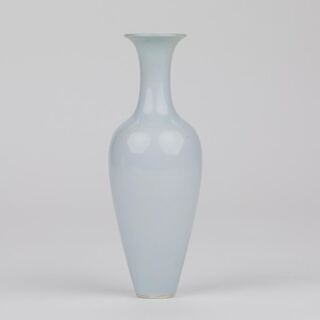 Chinese Clair-de-lune Porcelain Vase w/ Box, MarkedSold For $270,000
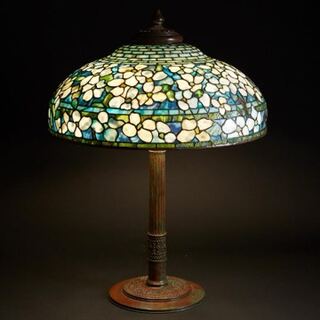 Tiffany Studios Leaded Glass and Bronze "Dogwood" LampSold For $60,000
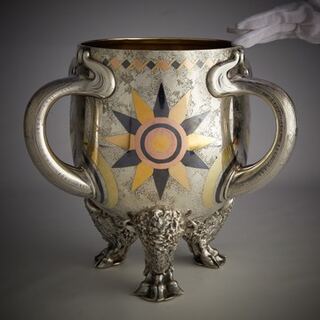 Large Tiffany Sterling Trophy Cup, 83.21 Troy ozSold For $44,000
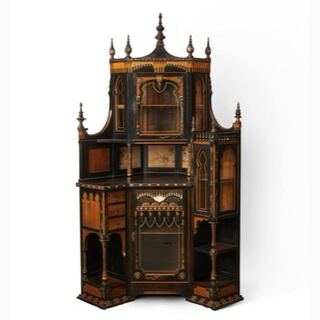 Carlo Bugatti Monumental Corner CabinetSold For $40,000
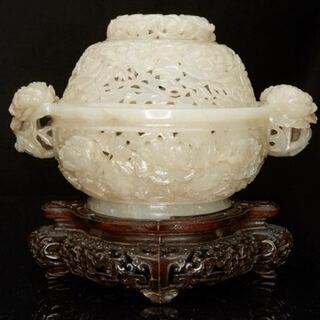 18th c. Chinese Reticulated Jade Censer with StandSold For $34,000
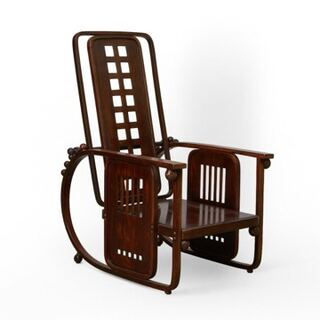 Joseph Hoffmann for Kohn "Sitzmaschine" ChairSold For $15,000
 Hans Wegner AP Stolen "Papa Bear" Chair & OttomanSold For $15,000
 Grace Hartigan "Dublin" Oil Painting 1958-59Sold For $525,000