
Murrine & Signature Canes
How to Read the Patterns Inside Glass
Interested in selling a work by murrine?
A murrine is a slice through a rod of glass that has a picture running all the way through it, like a stick of seaside rock. Bundles of coloured rods are fused, drawn out until the pattern shrinks to a few millimetres, and sliced into discs. Those discs are then arranged, picked up on a hot form, and blown or fused into a finished object.
It is the technique behind millefiori paperweights, Venetian pattern glass and the surfaces of modern studio vessels. It is also, usefully, where makers hide their names. Send photographs through our free auction estimate form.
What Are Murrine?
The method is very old — Roman glassmakers used it, and it was revived on Murano, where the term murrine belongs. Millefiori, a thousand flowers, is the familiar name for the densely packed floral version that dominates nineteenth-century French paperweights.
On Murano the technique became a design language in its own right, and in the twentieth century American artists took it somewhere else again. Stephen Rolfe Powell built entire vessel surfaces from thousands of murrine; Richard Marquis, one of the first Americans to work on Murano, made murrine central to his work; Lino Tagliapietra carried the Venetian cane vocabulary into large sculptural forms.
How Do I Find a Signature Cane?
The signature cane is the practical reason to care. Many paperweight makers and glass artists set a single tiny cane carrying their initials, a device or a date into the design — usually at the edge of the pattern, sometimes at the centre, occasionally at the base. Finding it converts a guess into an attribution.
Look with a loupe or a phone camera at maximum zoom, straight down through the dome or across the surface, and work systematically around the pattern. Paul Ysart used a PY cane; Baccarat and Saint Louis used letter-and-date canes in the classic period; most modern studio makers use initials. Related terms you will meet in catalogue descriptions are zanfirico and reticello, both twisted-cane techniques, and latticinio, the white filigree ground that many weights sit on.
How Much Is My Murrine Glass Worth Worth?
Several things determine what a work by Murrine & Signature Canes brings at auction:
- A signature or date cane — the single most valuable thing you can find; photograph it magnified
- Crispness of the canes — well-drawn, evenly spaced canes against distorted or muddled ones
- Density and complexity — the number of distinct canes and the ambition of the arrangement
- Technique combination — murrine used with filigree, overlay or cold-worked surfaces represents more work
- Condition — surface wear over a cane pattern is very visible
The honest answer is that no two are alike, and the difference between an ordinary example and an exceptional one is a conversation with a specialist, not a chart. Send us photographs through our free auction estimate form — front, back, signature, and any labels — and we will tell you what you have.
The Market for murrine
Murrine work spans almost the entire price range of collectable glass, from Venetian tourist pieces worth very little to studio vessels worth five figures, and the technique alone tells you nothing about which end you are at. The maker does, and the maker is very often recorded in the object itself.
That is why we ask for close-up photographs rather than a general view. A magnified image of the cane pattern, and especially of anything that looks like initials or a date, will often settle in one minute a question that no amount of searching by shape and colour will settle at all.
How to Sell a Work by murrine
The strongest results for a piece of murrine glass come at auction, where national and international collectors bid against each other. Revere Auctions offers free, no-obligation auction estimates: send photos and dimensions and our specialists respond with a current market valuation and a recommendation on how to sell. Consigned works are professionally photographed, cataloged, and marketed through our fine art auctions to a worldwide bidder base, and we regularly arrange shipping for consignors across the country. If you need a formal written valuation for insurance or estate purposes, our appraisal and valuation services team can help; you can also read more about how selling at auction works.
Related: studio art glass artists, our fine art department, appraisal services, free auction estimates.
Reviewed by the fine art specialists at Revere Auctions, St. Paul, Minnesota.
Murrine & Signature Canes: Frequently Asked Questions
What is the difference between murrine and millefiori?
Murrine is the general term for sliced patterned glass canes. Millefiori, meaning a thousand flowers, is the densely packed floral form of it familiar from paperweights.
What is a signature cane?
A tiny cane carrying a maker’s initials, device or date, set into the design. Finding one converts an uncertain attribution into a confirmed one.
Where should I look for a signature cane?
Usually at the edge of the cane pattern, sometimes at the centre, occasionally near the base. Use a loupe or a phone camera at maximum zoom and work around the design systematically.
What are zanfirico and reticello?
Venetian twisted-cane techniques that appear alongside murrine in catalogue descriptions. Latticinio is the white filigree ground used beneath many paperweight designs.
Interested in purchasing a a piece of murrine glass work?
If you would like to learn more about the value of your a piece of murrine glass works, contact us today for a free auction estimate.
Exceptional Results
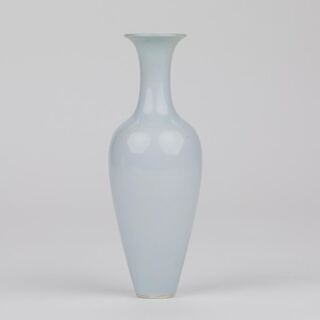 Chinese Clair-de-lune Porcelain Vase w/ Box, MarkedSold For $270,000
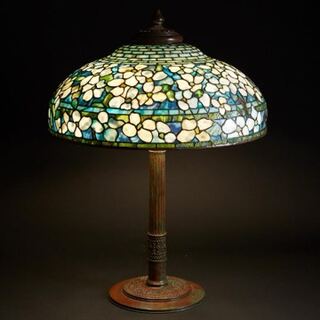 Tiffany Studios Leaded Glass and Bronze "Dogwood" LampSold For $60,000
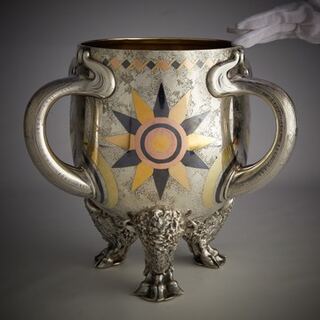 Large Tiffany Sterling Trophy Cup, 83.21 Troy ozSold For $44,000
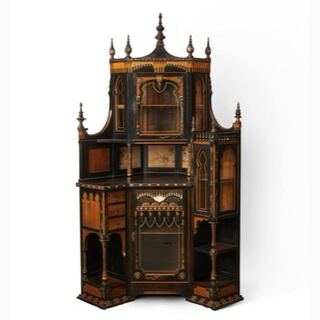 Carlo Bugatti Monumental Corner CabinetSold For $40,000
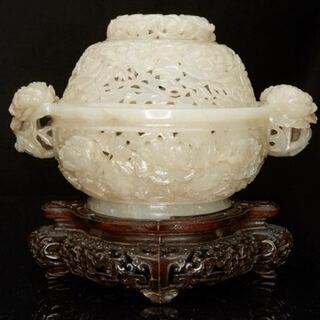 18th c. Chinese Reticulated Jade Censer with StandSold For $34,000
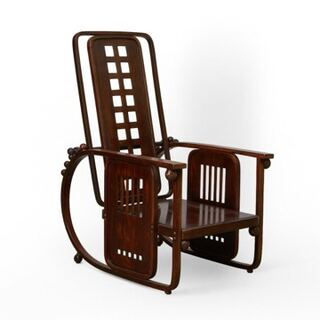 Joseph Hoffmann for Kohn "Sitzmaschine" ChairSold For $15,000
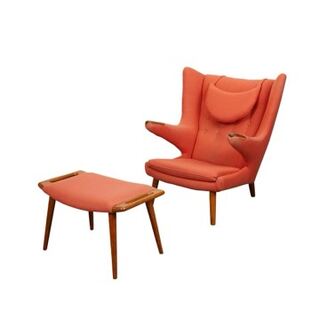 Hans Wegner AP Stolen "Papa Bear" Chair & OttomanSold For $15,000
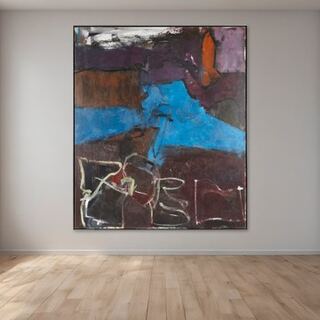 Grace Hartigan "Dublin" Oil Painting 1958-59Sold For $525,000