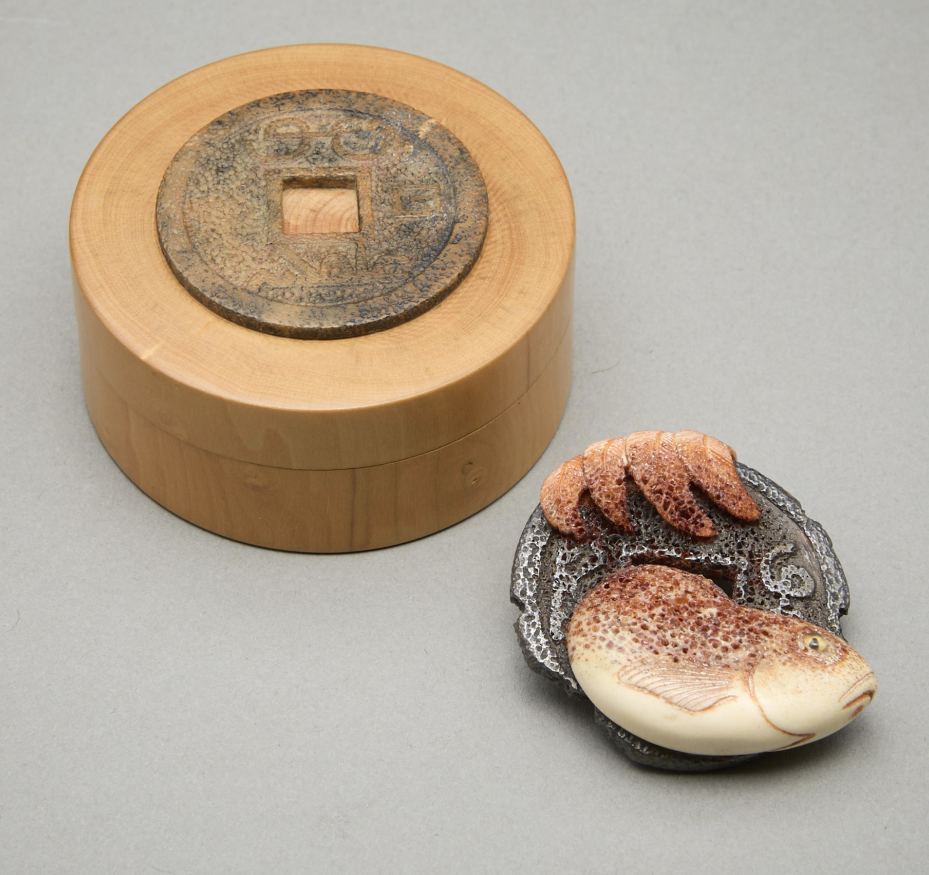
The Miniature Marvels of Japan: A Netsuke Scholar’s Guide
Among the most accomplished forms of Japanese decorative art, netsuke are at the intersection of function, sculpture, and storytelling. Originally conceived as practical accessories, these miniature carvings evolved into sophisticated works of art that captured myth, humor, and daily life with remarkable precision. Today, netsuke remain a vibrant focal point within the Asian art market, regularly achieving top results at auction.

What are Netsukes?
The Netsuke (pronounced nets-keh) is far more than just a small carving; it is a cultural and artistic cipher of Japan’s Edo period (1603–1868). Due to the lack of pockets in the traditional Japanese kimono, men across all levels of society relied on a system of wearable accessories to carry their personal belongings.
These items, known as sagemono (“hanging objects”), included inrō (stacked medicine containers), tobacco pouches, and personal seals, all suspended from silk cords tied around the obi (sash). The netsuke functioned as a carved toggle secured above the sash, anchoring the cord and preventing the ensemble from slipping. Typically no larger than a walnut, each netsuke was meticulously polished to ensure it could pass smoothly through layers of silk—an object designed to be handled, worn, and admired up close.
While netsuke originated from simple natural forms, they quickly evolved into sophisticated miniature sculptures. Master carvers transformed wood, ivory, horn, antler, and other materials into richly detailed works depicting deities, mythical beings, animals, and scenes of everyday life. As Japan modernized in the late 19th century and Western dress replaced traditional attire, netsuke lost their original function. Their artistry, however, attracted the attention of European and American collectors, securing their place as highly collectible works of decorative art.
Today, contemporary netsuke carvers honor historical techniques while expanding the language of netsuke beyond purely traditional themes. For collectors, contemporary netsuke offer a living connection to the past: works that demonstrate how an historic Japanese art form remains vibrant, relevant, and continually reinterpreted through skilled hands today.
Different types of Netsuke
The ingenuity of the netsuke-shi (netsuke carvers) gave rise to several distinct forms of netsuke, each meticulously designed to be compact, rounded, and comfortable to wear without snagging delicate silk. Understanding these different types is essential for collectors.
Katabori (形彫) or Figural Netsuke
The most common and widely celebrated form. Carved fully in the round, these three-dimensional works depict subjects ranging from mythological creatures and zodiac animals to legendary heroes and scenes of everyday life. Though typically measuring only three to eight centimeters in height, katabori netsuke often contain remarkable narrative depth and finely executed detail.
Manju (饅頭) Netsuke
Manjū netsuke are flat, disc-shaped carvings named after the Japanese confection they resemble. Usually carved in low or high relief on one or both sides, they often feature symbolic imagery or decorative motifs. Their refined simplicity and balanced composition make them especially appealing to collectors.
Mennetsuke (面根付) or Mask Netsuke
Mennetsuke are miniature representations of masks used in Noh and Kyōgen theater. They are admired for their expressive facial forms, dramatic presence, and strong connection to Japan’s theatrical traditions.
Sashi (差) Netsuke
An older and less common form, sashi netsuke are elongated toggles designed to be worn vertically behind the sash rather than resting atop it. Often earlier in date, they emphasize slender proportions and understated carving.


Contemporary vs. Traditional Netsuke
Today, the market respects two distinct, yet connected, categories:
Traditional (Antique) Netsuke
Antique netsuke are valued for their historical significance, authenticated age, and the rich patina developed through generations of handling. Works bearing the signatures of celebrated Edo- and Meiji-period masters—such as Kaigyokusai Masatsugu, Tomotada, or Masanao—command the highest prices and represent a finite legacy of Japanese sculpture.
Contemporary Netsuke
Beginning in the mid-20th century, the craft experienced a notable revival. Contemporary masters, both Japanese and international, continue to honor traditional scale, carving techniques, and functional requirements such as himotoshi, while introducing modern themes and materials. High-quality contemporary netsuke by recognized living artists are increasingly collected and have proven to be a dynamic and growing segment of the market.
Popular Netsuke Artists
Understanding the master carvers associated with each period is essential for valuing a piece and identifying its school of origin.
Traditional Netsuke Artists (Edo & Meiji Periods):
- Tomotada (Kyoto School)
- Kaigyokusai Masatsugu (Osaka School)
- Ohara Mitsuhiro (Osaka School)
- Masanao (Kyoto School)
- Toyomasa (Tamba School)
Contemporary Netsuke Artists (Post-WWII Masters):
- Masatoshi (Nakamura)
- Ikku (Isamu Kasuya)
- Hideyuki (Kosei Hideyuki)
- Clive Hallam
- Ryushi Komada
How much are Netsukes worth?
Many well-carved, signed netsuke consistently sell in the $1,000–$10,000 range. Exceptional examples—particularly rare 18th-century works with strong provenance and master signatures—can achieve significantly higher results. In recent years, individual netsuke have realized prices well into the six figures, underscoring their importance as both collectible works of art and long-term investments.
What Determines The Value of Netsuke?
Artist and Signature: Authenticated signatures from renowned masters and recognized regional schools command significant premiums.
Craftsmanship and Condition: The intricacy, depth of carving, artistic execution, and overall balance of the composition are paramount. The piece must be in excellent, original condition; while a rich, naturally acquired patina is highly prized, significant damage, major repairs, or poor restoration can dramatically impair value.
Rarity and Subject Matter: While popular themes like zodiac animals are common, unusual, historical, erotic, or satirical themes are often among the most sought after.
Material and Inlay: The quality of the material, whether fine-grained Japanese boxwood, stag antler, or antique ivory (with all applicable legal documentation in place), is significant. The inclusion of exquisite inlays or exotic materials like lacquer, coral, or precious metals further enhances desirability.
Provenance: A documented history of ownership, particularly if the piece was part of a known major collection or has passed through a reputable auction house, provides crucial validation and often drives up the final sale price.
How can I sell my Netsuke?
Auction remains the most effective avenue for achieving strong market results for high-quality netsuke. Revere Auctions has a proven record of success with both traditional and contemporary examples, connecting consignors with a global audience of knowledgeable collectors.
Contact our specialists to learn more about the value of your netsuke
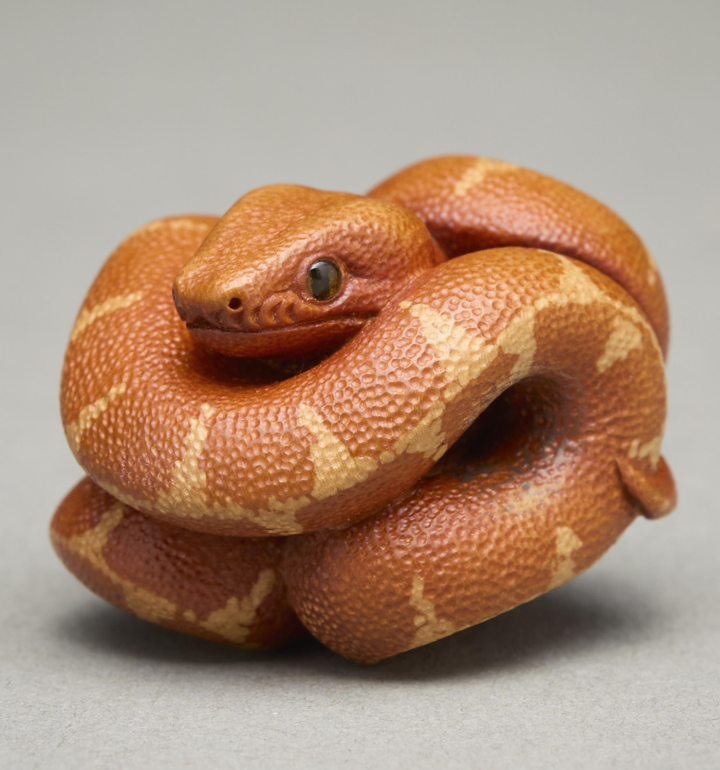
Nick Lamb "Boa" Carved Boxwood Ojime
Sold For $5,400
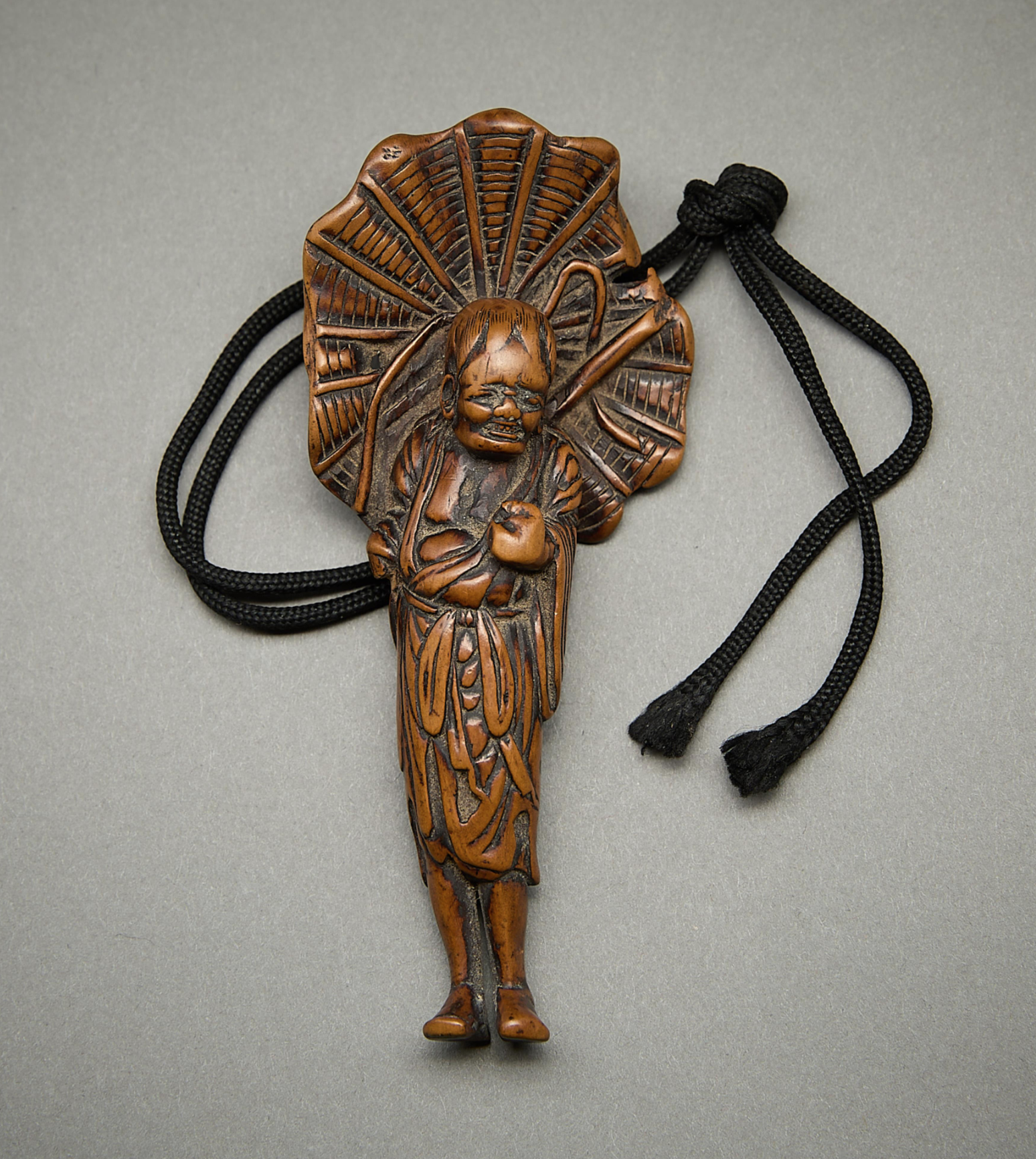
Antique Japanese Netsuke of Figure w/ Umbrella
Sold For $3,200
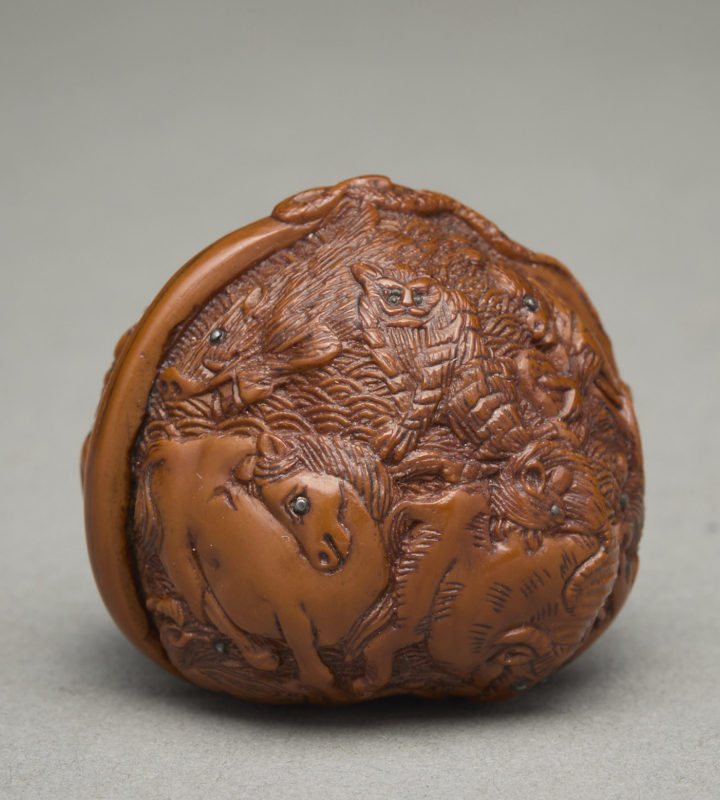
Toryusai Kozan Kurumi (Walnut) Zodiac Netsuke
Sold for $1,500