
Preston Singletary
Tlingit Glass Artist, born 1963
Interested in selling a work by Singletary?
Preston Singletary took two things that had nothing to do with each other — Tlingit formline design and Italian glassblowing — and made them into one body of work. His pieces are blown in colour, then sand-carved so the formline emerges through the surface: ravens, bears, killer whales and clan crests rendered in a material his ancestors never had access to, doing things wood and argillite cannot do with light.
Revere Auctions has a strong Native American art department. If you own a Singletary, send photographs through our free auction estimate form.
Who Was Preston Singletary?
Singletary was born in 1963 and grew up in Seattle, Tlingit by descent but at a distance from the culture, as many urban Native families were by that generation. He came to glass sideways — he was a musician, and took a job in a glass studio because it was work. Seattle in the 1980s happened to be the best possible place for that accident: he learned in the orbit of the artists who had built the Northwest scene and trained under the Venetian discipline they had imported.
The turn came when he began applying what he had learned to his own heritage, researching Tlingit design seriously and working with Native carvers and elders. That combination — technically fluent in a European tradition, working in his own visual language — is what makes the work distinct. His touring museum exhibition drawing on the Tlingit story of Raven and the Box of Daylight has introduced the work to audiences far beyond the glass field.
What Does Preston Singletary Make?
The characteristic piece is a blown vessel, bottle or sculptural form in a strong opaque or transparent colour, with formline design sand-carved into the surface so the pattern reads as matte against gloss. Subjects come from Tlingit crest imagery and story: raven, bear, killer whale, salmon, human and transformation figures.
He has also made cast and constructed works, including totemic vertical forms, hats and rattles translated into glass, and larger installation pieces. Work is signed, normally on the base, and often dated.
How Much Is My Preston Singletary Glass Worth Worth?
Several things determine what a work by Preston Singletary brings at auction:
- Scale and form — his larger sculptural and totemic works sit well above vessels and bottles
- Imagery — the crest and story subjects are not equally sought after
- Technique — pieces combining blowing with extensive sand-carving, or with cast elements, represent more work
- Date — his market has developed substantially over three decades
- Condition — sand-carved matte surfaces mark, and edges chip; check both carefully
The honest answer is that no two are alike, and the difference between an ordinary example and an exceptional one is a conversation with a specialist, not a chart. Send us photographs through our free auction estimate form — front, back, signature, and any labels — and we will tell you what you have.
The Market for Singletary
Singletary is the fastest-moving name we track in studio glass. His median result is high, and more than half of everything of his that has come to auction since 2018 has appeared in just the last two years — a market that is actively expanding rather than one being quietly dispersed. Museum attention is a large part of why.
His work also sits at an intersection that suits us particularly well: it belongs equally to the studio glass field and to Native American art, and Revere handles both. A piece catalogued only as art glass reaches half its audience. Catalogued properly — artist, clan imagery, technique, and the Northwest Coast context — it reaches collectors of contemporary Native American art as well, which is where a good deal of the competition comes from.
How to Sell a Work by Singletary
The strongest results for a Preston Singletary glass work come at auction, where national and international collectors bid against each other. Revere Auctions offers free, no-obligation auction estimates: send photos and dimensions and our specialists respond with a current market valuation and a recommendation on how to sell. Consigned works are professionally photographed, cataloged, and marketed through our fine art auctions to a worldwide bidder base, and we regularly arrange shipping for consignors across the country. If you need a formal written valuation for insurance or estate purposes, our appraisal and valuation services team can help; you can also read more about how selling at auction works.
Related: studio art glass artists, our fine art department, appraisal services, free auction estimates.
Reviewed by the fine art specialists at Revere Auctions, St. Paul, Minnesota.
Preston Singletary: Frequently Asked Questions
How much is a Preston Singletary work worth?
His market is strong and rising, with larger sculptural works well above vessels and bottles. Revere Auctions provides free auction estimates from photographs.
What is formline design?
The formal design system of the Northwest Coast peoples, built from characteristic ovoids and U-forms. Singletary sand-carves it into blown glass so it reads as matte against a glossy surface.
Is Preston Singletary Tlingit?
Yes. He is of Tlingit descent, grew up in Seattle, and has worked extensively with Native carvers and elders in developing the imagery in his glass.
Does Revere Auctions handle Native American art?
Yes. Our Native American art department handles historic and contemporary work, and Singletary sits in both that field and studio glass, which widens the audience for a well-catalogued piece.
Interested in purchasing a a Preston Singletary glass work work?
If you would like to learn more about the value of your a Preston Singletary glass work works, contact us today for a free auction estimate.
Exceptional Results
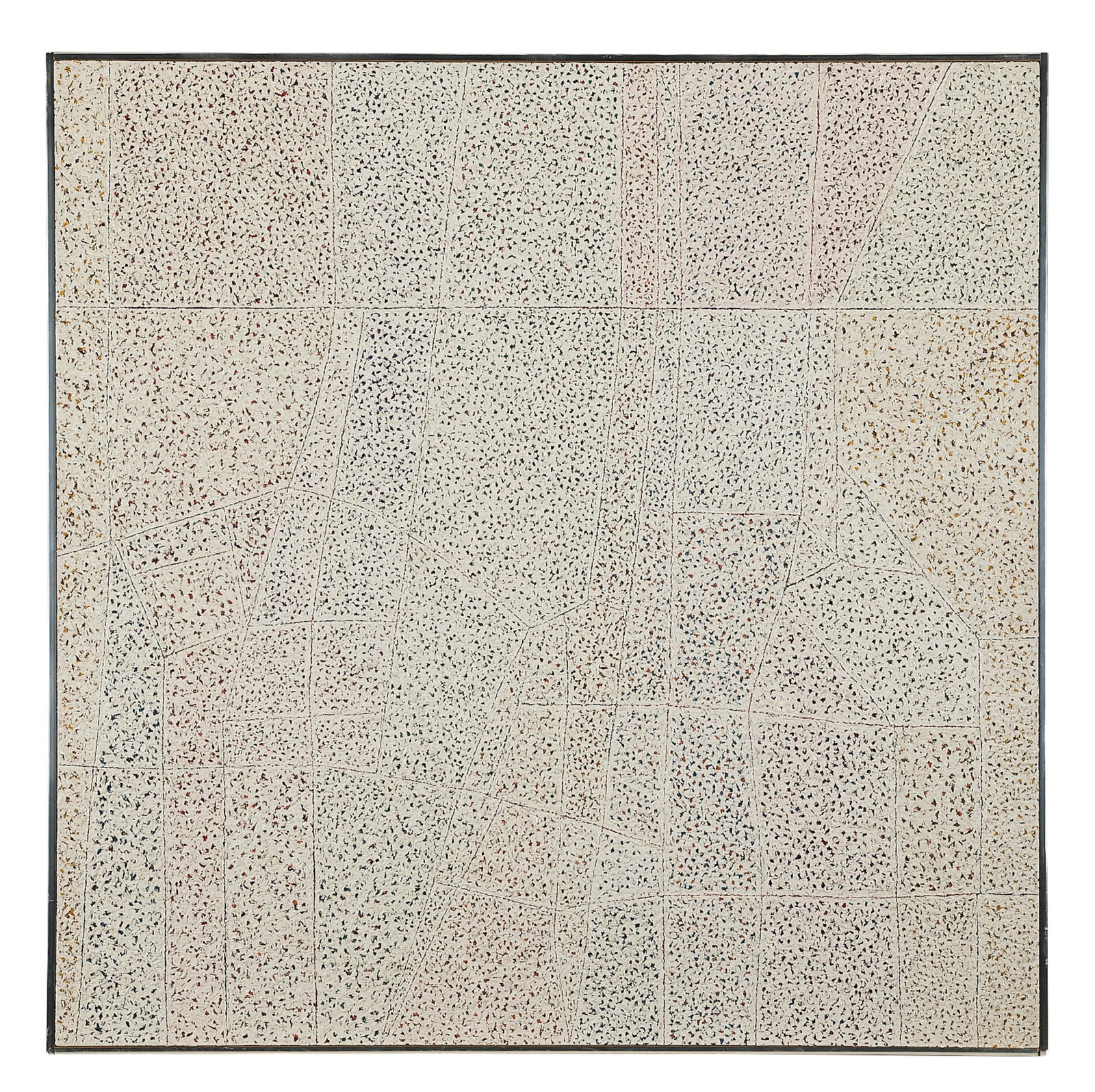 George Morrison "White Painting" 1975Sold For $450,000Artist Auction Record
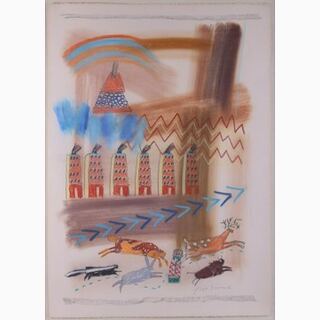 Jaune Quick-To-See Smith "Black Elk’s Dream" PastelSold For $36,000
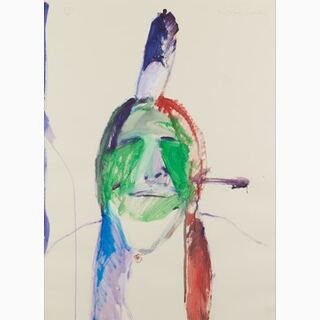 Fritz Scholder Native American Portrait PaintingSold For $28,000
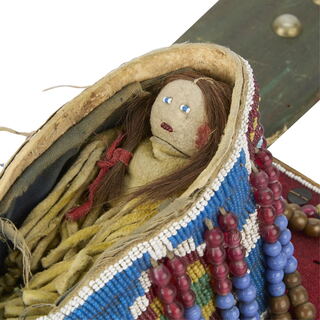 Plains Native American Beaded Cradleboard DollSold For $20,000
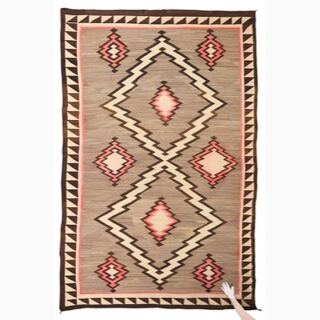 Large Navajo Crystal Wool Rug, 13’2"×8’9"Sold For $13,000
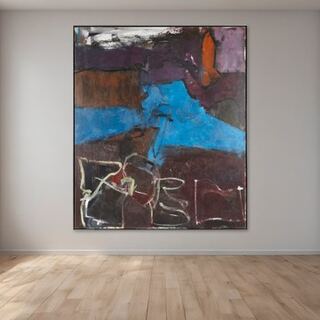 Grace Hartigan "Dublin" Oil Painting 1958-59Sold For $525,000
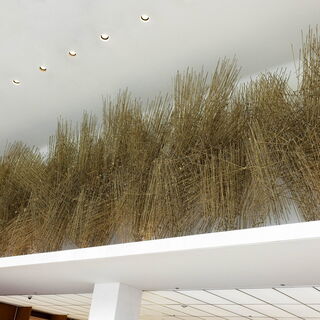 Monumental Harry Bertoia "Sunlit Straw" SculptureSold For $390,000
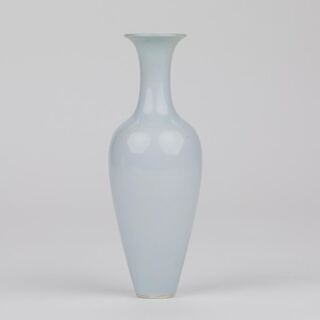 Chinese Clair-de-lune Porcelain Vase w/ Box, MarkedSold For $270,000