
Habatat Provenance
What a Gallery Label Does to the Value of Studio Glass
Interested in selling a work by gallery provenance?
When people clear a house, the label on the base and the folder of paperwork in the bottom of the box are usually the first things thrown away. In studio glass that is an expensive habit. A documented gallery and exhibition history is one of the few things that reliably separates two otherwise similar pieces, and Habatat is the name that appears most often on the strongest work.
If you have a piece of studio glass with a label, a certificate, an invoice or an exhibition catalogue, keep them together and send photographs of all of it through our free auction estimate form.
What Is Habatat?
Habatat Galleries opened in Michigan in 1971 — the same year Pilchuck was founded — and committed itself to contemporary glass at a point when almost no commercial gallery took the material seriously as art. It has run an annual international glass exhibition for decades, and for much of the movement’s history it was the place where the ambitious work was shown and sold.
The practical consequence is that a large proportion of the major American studio glass in private hands passed through that gallery at some point, and a good deal of it still carries the evidence: a label on the base, an invoice, a certificate, or an entry in an exhibition catalogue. Other galleries and museum shops matter too, and the principle is the same wherever a piece was bought.
Does a Gallery Label Actually Add Value?
A gallery label does two things. First, it corroborates attribution — it is independent evidence that a piece is by the artist whose signature is on the base, which matters more than people expect for artists whose work has been widely imitated. Second, it usually establishes that the piece was exhibition-grade at the time, because that is what serious galleries showed.
In the lots we track, work carrying Habatat documentation sits at a strikingly high level — a median several times that of studio glass generally, and including many of the strongest results by Littleton, Morris, Kuhn and Stankard. One caveat, stated plainly: only a small number of salerooms describe lots this way, so this is a guide to what good provenance looks like, not a measure of market share.
How Much Is My Glass With Gallery Provenance Worth Worth?
Several things determine what a work by Habatat Provenance brings at auction:
- The label itself — a physical gallery label on the base, intact and legible
- Purchase paperwork — the original invoice or receipt, which dates the acquisition and names the artist and often the title
- Exhibition history — a catalogue entry, especially for an annual or invitational exhibition
- Artist paperwork — certificates, signed statements or correspondence supplied with the piece
- Chain of ownership — knowing who bought it, when, and from whom — even informally, in a letter or a note
The honest answer is that no two are alike, and the difference between an ordinary example and an exceptional one is a conversation with a specialist, not a chart. Send us photographs through our free auction estimate form — front, back, signature, and any labels — and we will tell you what you have.
The Market for gallery provenance
Provenance does not make a weak piece strong. What it does is remove doubt, and doubt is expensive. A bidder deciding between two comparable works will pay more for the one whose history is documented, and a bidder who is uncertain about attribution will either bid cautiously or not at all.
The advice is therefore simple and it costs nothing: do not clean the labels off, do not discard the folder, and photograph all of it when you ask for an estimate. Provenance research is part of what we do in cataloguing, and it is far easier when the evidence has not been thrown out first.
How to Sell a Work by gallery provenance
The strongest results for a piece of studio glass with gallery provenance come at auction, where national and international collectors bid against each other. Revere Auctions offers free, no-obligation auction estimates: send photos and dimensions and our specialists respond with a current market valuation and a recommendation on how to sell. Consigned works are professionally photographed, cataloged, and marketed through our fine art auctions to a worldwide bidder base, and we regularly arrange shipping for consignors across the country. If you need a formal written valuation for insurance or estate purposes, our appraisal and valuation services team can help; you can also read more about how selling at auction works.
Related: studio art glass artists, our fine art department, appraisal services, free auction estimates.
Reviewed by the fine art specialists at Revere Auctions, St. Paul, Minnesota.
Habatat Provenance: Frequently Asked Questions
What is Habatat?
A Michigan gallery, founded in 1971, that has specialised in contemporary studio glass for over fifty years and runs a long-established annual international glass exhibition. Much major American studio glass passed through it.
Does a gallery label increase the value of studio glass?
It can, substantially. It corroborates attribution and usually indicates the piece was exhibition-grade. It does not turn a weak piece into a strong one, but it removes the doubt that makes bidders cautious.
Should I remove an old gallery label from the base?
No. Leave it. A label is evidence, and removing it destroys information that a specialist and a bidder both want.
What paperwork should I keep with a piece of studio glass?
The original invoice, any certificate, exhibition catalogues that include the piece, and any correspondence with the gallery or artist. Photograph all of it when requesting an estimate.
Interested in purchasing a a piece of studio glass with gallery provenance work?
If you would like to learn more about the value of your a piece of studio glass with gallery provenance works, contact us today for a free auction estimate.
Exceptional Results
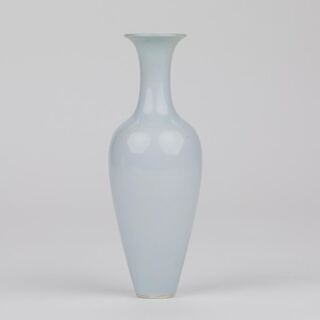 Chinese Clair-de-lune Porcelain Vase w/ Box, MarkedSold For $270,000
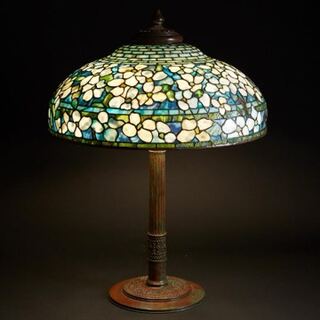 Tiffany Studios Leaded Glass and Bronze "Dogwood" LampSold For $60,000
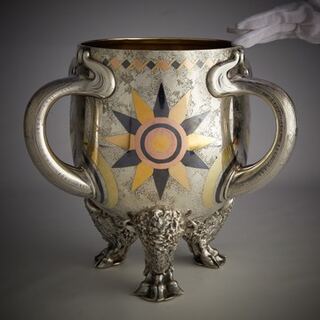 Large Tiffany Sterling Trophy Cup, 83.21 Troy ozSold For $44,000
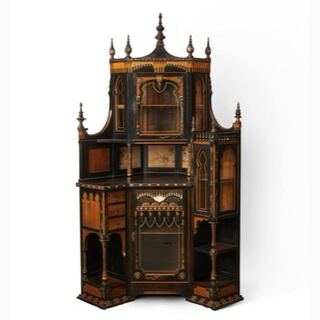 Carlo Bugatti Monumental Corner CabinetSold For $40,000
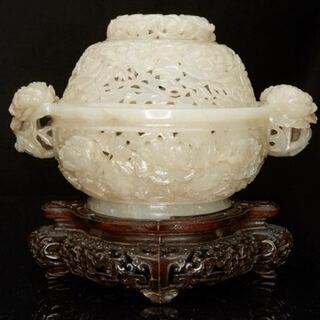 18th c. Chinese Reticulated Jade Censer with StandSold For $34,000
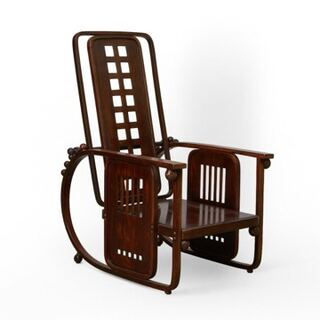 Joseph Hoffmann for Kohn "Sitzmaschine" ChairSold For $15,000
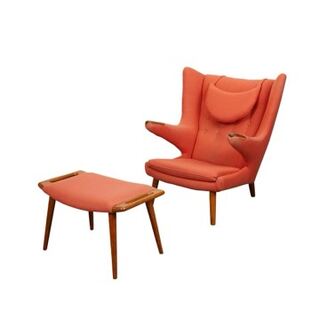 Hans Wegner AP Stolen "Papa Bear" Chair & OttomanSold For $15,000
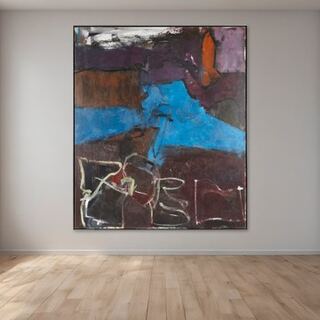 Grace Hartigan "Dublin" Oil Painting 1958-59Sold For $525,000