
Stankard’s Root People
The Figures Beneath the Flowers
Interested in selling a work by root people?
Look closely at the roots beneath the flowers in a Paul Stankard paperweight and you may find people down there. They are small, pale figures — sometimes described as spirits of the earth — nestled among the root fibres, and they are the single most sought-after element in his work.
If you have a Stankard and are not sure what is in it, photograph it looking down through the dome and from the side, and send the images through our free auction estimate form.
What Are the Root People?
Stankard began encasing full root systems beneath his plants because botanically that is where half the organism lives, and because nobody had done it. The roots gave him a second world inside the weight, below the soil line, and in time he began populating it.
The figures are not decorative jokes. Stankard has written and spoken about the work in explicitly poetic terms — fertility, continuity, the life of the earth beneath what we see — and the root people belong to that intent, alongside the word canes carrying words like fertile and unity that he sets into the same pieces. They appear in his mature work rather than his early paperweights.
How Do I Recognise One?
A root-person piece looks, from directly above, like any other botanical: a flowering plant in a clear dome. The figures are visible from the side and from below, worked into the root mass, often several to a piece. They are lampworked like everything else in the weight, built at a torch and encased without distortion, which at that scale is very difficult.
They occur across formats — classic domes, upright blocks, cubes and columns — and often alongside the other elements collectors look for: honeybees, seed pods, blossoms at several stages, and word canes. The more of these that are present and the more complete the assembly, the more serious the piece.
How Much Is My Root People Paperweight Worth Worth?
Several things determine what a work by Stankard’s Root People brings at auction:
- Presence and number of figures — the defining feature; more figures generally means a more ambitious piece
- Format — upright blocks and columns show the root world better than a classic dome and are collected accordingly
- Supporting elements — bees, seed pods, word canes and multi-stage blossoms in the same piece
- Date — these belong to his mature work; establishing where a piece sits in his career matters
- Condition and clarity — the whole point is seeing into the piece, so dome condition is more than cosmetic
The honest answer is that no two are alike, and the difference between an ordinary example and an exceptional one is a conversation with a specialist, not a chart. Send us photographs through our free auction estimate form — front, back, signature, and any labels — and we will tell you what you have.
The Market for root people
Root-person pieces sit meaningfully above Stankard’s general output. In the sales we track, weights and blocks described as containing root figures carry a median well above his work as a whole — not because the figures are decorative additions, but because they mark the pieces he was most invested in.
This is also the clearest example of why a phone photograph taken from directly above is not enough for a Stankard. Everything that distinguishes a major piece from an ordinary one is below the flower, and it is invisible from that angle. Photograph the side. It is the difference between two very different estimates.
How to Sell a Work by root people
The strongest results for a Paul Stankard root person paperweight come at auction, where national and international collectors bid against each other. Revere Auctions offers free, no-obligation auction estimates: send photos and dimensions and our specialists respond with a current market valuation and a recommendation on how to sell. Consigned works are professionally photographed, cataloged, and marketed through our fine art auctions to a worldwide bidder base, and we regularly arrange shipping for consignors across the country. If you need a formal written valuation for insurance or estate purposes, our appraisal and valuation services team can help; you can also read more about how selling at auction works.
Related: studio art glass artists, our fine art department, appraisal services, free auction estimates.
Reviewed by the fine art specialists at Revere Auctions, St. Paul, Minnesota.
Stankard’s Root People: Frequently Asked Questions
What are Paul Stankard’s root people?
Small human figures lampworked into the root systems beneath the plants in his encased glass paperweights and blocks. They belong to his mature work and are the most sought-after element in it.
Are root-person pieces worth more?
Generally yes, and by a wide margin. They mark the pieces Stankard invested most in, and collectors chase them specifically.
How do I see whether my Stankard has root people?
Look from the side and from underneath rather than from directly above. The figures sit in the root mass below the soil line and are invisible from the top.
What are word canes?
Tiny canes carrying words such as fertile or unity that Stankard sets into the same pieces. They belong to the same body of work as the root figures.
Interested in purchasing a a Paul Stankard root person paperweight work?
If you would like to learn more about the value of your a Paul Stankard root person paperweight works, contact us today for a free auction estimate.
Exceptional Results
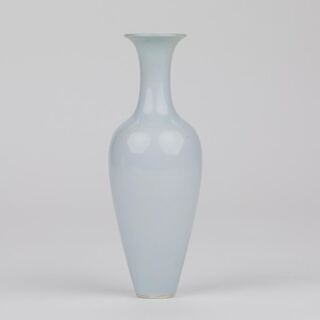 Chinese Clair-de-lune Porcelain Vase w/ Box, MarkedSold For $270,000
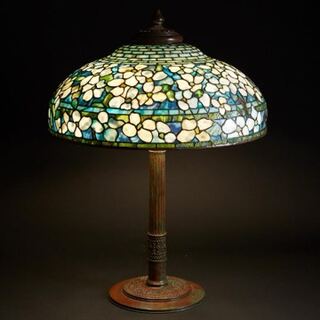 Tiffany Studios Leaded Glass and Bronze "Dogwood" LampSold For $60,000
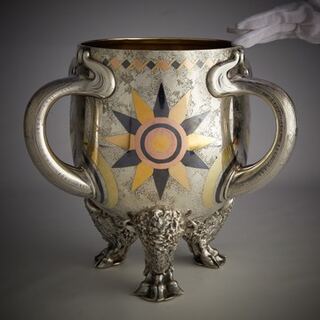 Large Tiffany Sterling Trophy Cup, 83.21 Troy ozSold For $44,000
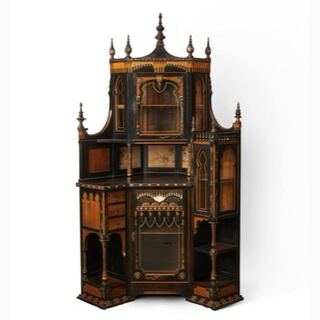 Carlo Bugatti Monumental Corner CabinetSold For $40,000
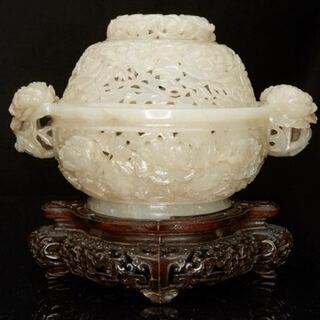 18th c. Chinese Reticulated Jade Censer with StandSold For $34,000
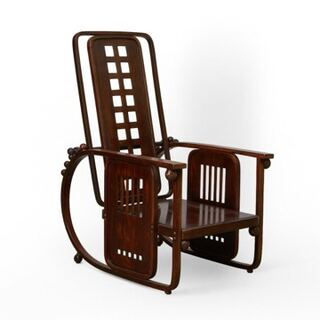 Joseph Hoffmann for Kohn "Sitzmaschine" ChairSold For $15,000
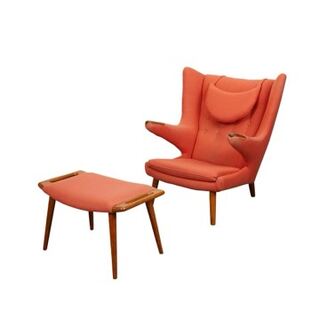 Hans Wegner AP Stolen "Papa Bear" Chair & OttomanSold For $15,000
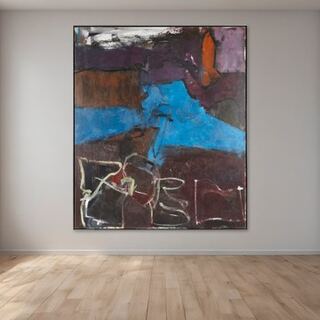 Grace Hartigan "Dublin" Oil Painting 1958-59Sold For $525,000