
American Studio Paperweights
Kaziun, Ayotte, Trabucco, Tarsitano, Banford and the Modern Masters
Interested in selling a work by American studio paperweights?
The finest paperweights being made anywhere are being made by a few dozen Americans working alone at torches. They descend from a single figure — Charles Kaziun, who in the middle of the twentieth century worked out how to do at a bench what the great French houses had done with a factory — and their work regularly exceeds the antiques it was inspired by.
If you have a modern paperweight with a signature cane or an engraved base, send photographs through our free auction estimate form. Revere Auctions has sold work by several artists in this group.
Who Are the American Studio Paperweight Makers?
Charles Kaziun Jr began making weights in the 1940s and 1950s, largely self-taught, producing miniature weights, pedestal weights and tiny gold-decorated buttons of a delicacy nobody in America was attempting. He signed with a K cane. For a long time he was almost the only one.
The generation that followed him is the one that changed the field. Paul Stankard brought botany and a scientific glassblower’s precision. Rick Ayotte came from the same New England world and made birds and fruit with a naturalist’s eye. Victor and David Trabucco, Delmo and Debbie Tarsitano working as father and daughter, Bob and Ray Banford as father and son, Chris Buzzini, Ken Rosenfeld, Gordon Smith, Jim D’Onofrio, Cathy Richardson, Clinton Smith, David Graeber and Mayauel Ward all built individual reputations. Gary and Doris Scrutton, working as Parabelle in Oregon, made classic-style millefiori of a standard that stands comparison with the nineteenth century.
What Do They Make?
Two broad approaches divide the field. The lampworkers build subjects at a torch, petal by petal and feather by feather — flowers, fruit, insects, birds, reptiles — and encase them. The millefiori makers work in the classic French idiom, pulling and assembling canes into concentric, patterned and close-packed designs. A few do both.
Almost all of them sign. Look for a signature cane set into the design, initials or a full signature engraved on the base, and frequently a date. Editions and one-off pieces are usually distinguished, and artist proofs appear regularly — Parabelle artist proofs in particular are collected separately from the standard production.
How Much Is My American Studio Paperweight Worth Worth?
Several things determine what a work by American Studio Paperweights brings at auction:
- The artist — the single biggest variable; a signature cane is worth finding before anything else is decided
- Complexity — the number of elements, whether there is a full root system or a complete insect, and how much is happening below the flower
- Format — upright blocks, pedestals, magnums and miniatures are all separate markets from the standard dome
- One-off or edition — unique pieces and artist proofs sit above standard production
- Condition — dome scratches and base chips, and any repolishing that has altered the profile
The honest answer is that no two are alike, and the difference between an ordinary example and an exceptional one is a conversation with a specialist, not a chart. Send us photographs through our free auction estimate form — front, back, signature, and any labels — and we will tell you what you have.
The Market for American studio paperweights
This is a connoisseur market with a wide floor and a high ceiling. Most modern studio weights sell in the low hundreds; the best work by the strongest names reaches into the thousands, and Stankard’s major pieces go well beyond that. The names are not interchangeable and the gap between them is much larger than a photograph suggests.
Because so much depends on the artist, a group of modern weights consigned without identification will almost always underperform. Reading signature canes and matching styles to makers is slow work and it is the difference between a box lot and a set of individually catalogued pieces. That is what we do before a sale, not after it.
How to Sell a Work by American studio paperweights
The strongest results for an American studio paperweight come at auction, where national and international collectors bid against each other. Revere Auctions offers free, no-obligation auction estimates: send photos and dimensions and our specialists respond with a current market valuation and a recommendation on how to sell. Consigned works are professionally photographed, cataloged, and marketed through our fine art auctions to a worldwide bidder base, and we regularly arrange shipping for consignors across the country. If you need a formal written valuation for insurance or estate purposes, our appraisal and valuation services team can help; you can also read more about how selling at auction works.
Related: studio art glass artists, our fine art department, appraisal services, free auction estimates.
Reviewed by the fine art specialists at Revere Auctions, St. Paul, Minnesota.
American Studio Paperweights: Frequently Asked Questions
Who was Charles Kaziun?
The pioneer of the American studio paperweight, working from the 1940s onwards. He made miniatures, pedestal weights and gold-decorated buttons, and signed with a K cane. Almost every American maker since descends from his example.
How do I identify the artist of a modern paperweight?
Look for a signature cane set into the design, and for initials, a signature or a date engraved on the base. Photograph both the top and the base and send them to a specialist.
Are modern paperweights worth more than antique ones?
Often, yes. The best American studio work exceeds most nineteenth century weights in value. Age is not the measure; maker and quality are.
What is a Parabelle artist proof?
Parabelle, the Oregon studio of Gary and Doris Scrutton, made classic-style millefiori weights. Their artist proofs are distinguished from standard production and are collected separately.
Interested in purchasing a an American studio paperweight work?
If you would like to learn more about the value of your an American studio paperweight works, contact us today for a free auction estimate.
Exceptional Results
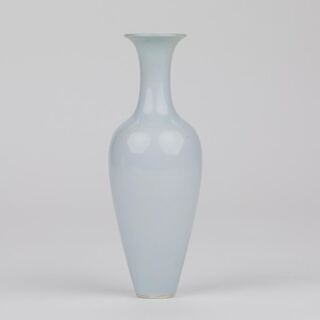 Chinese Clair-de-lune Porcelain Vase w/ Box, MarkedSold For $270,000
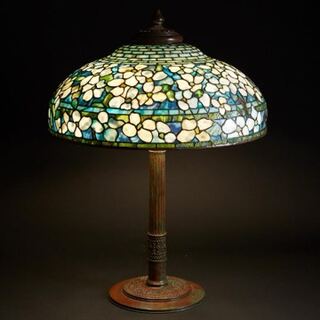 Tiffany Studios Leaded Glass and Bronze "Dogwood" LampSold For $60,000
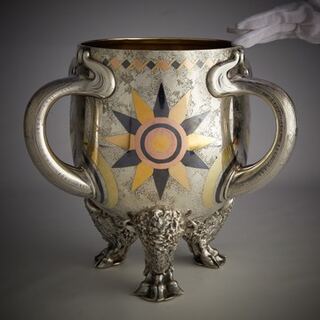 Large Tiffany Sterling Trophy Cup, 83.21 Troy ozSold For $44,000
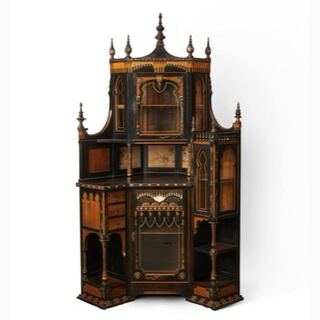 Carlo Bugatti Monumental Corner CabinetSold For $40,000
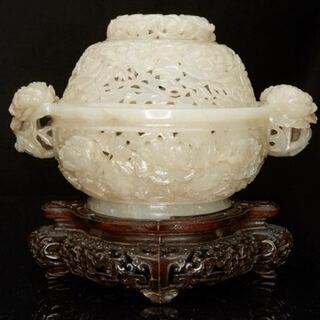 18th c. Chinese Reticulated Jade Censer with StandSold For $34,000
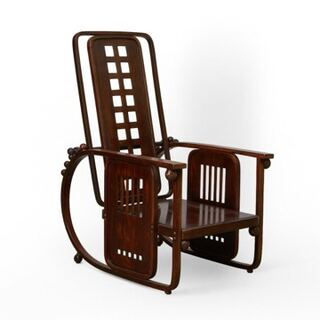 Joseph Hoffmann for Kohn "Sitzmaschine" ChairSold For $15,000
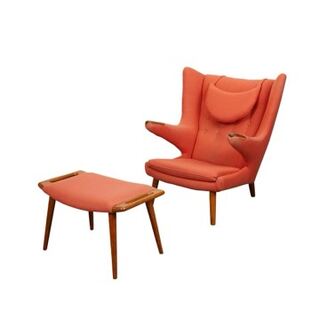 Hans Wegner AP Stolen "Papa Bear" Chair & OttomanSold For $15,000
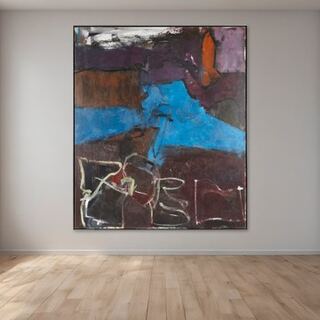 Grace Hartigan "Dublin" Oil Painting 1958-59Sold For $525,000