
Native American Glass
Formline, Story and a Material That Is Only Fifty Years Old
Interested in selling a work by Native American glass?
Glass is not a traditional Native American material. There is no ancestral technique to inherit and no historical precedent to work against, which is exactly what makes the field interesting: artists who took it up were translating design systems developed for wood, hide, stone and clay into something transparent.
Revere Auctions has a substantial Native American art department alongside its fine art department, and work in this field belongs to both. Send photographs through our free auction estimate form.
How Did Glass Enter Native American Art?
The central figure is Preston Singletary, Tlingit, who came to glass in Seattle in the 1980s essentially by accident and then spent years learning both the Venetian-influenced technique of the Northwest glass scene and, seriously and deliberately, the formline design system of his own heritage. Bringing the two together is the achievement, and it opened a door that other Native artists have since walked through.
The Institute of American Indian Arts in Santa Fe has been important in the same way, giving Native artists access to glass as a studio material alongside the more established mediums. The result is a small but real field: contemporary Native artists working in glass, with imagery and intent rooted in their own cultures rather than in the decorative traditions of European glass.
What Does the Work Look Like?
In Northwest Coast work the characteristic method is to blow a form in strong colour and then sand-carve formline design into the surface, so the pattern reads matte against gloss — ravens, bears, killer whales, salmon, transformation figures, and objects like hats and rattles translated into a material that lets light through them.
Elsewhere the vocabulary differs with the culture, but the underlying move is the same: a design language with a long history, executed in a material with none. Work is signed, normally on the base and usually dated, in the studio glass manner.
How Much Is My Native American Glass Worth Worth?
Several things determine what a work by Native American Glass brings at auction:
- The artist — a small field with a few strong names, and attribution is most of the value
- Imagery and cultural specificity — crest and story subjects carry different weight, and accurate identification matters to the buyers
- Scale and technique — large sculptural and totemic works sit well above vessels
- Date — this is a young field and market levels have moved considerably within it
- Condition — sand-carved matte surfaces mark easily; check edges and carved areas
The honest answer is that no two are alike, and the difference between an ordinary example and an exceptional one is a conversation with a specialist, not a chart. Send us photographs through our free auction estimate form — front, back, signature, and any labels — and we will tell you what you have.
The Market for Native American glass
The commercial fact worth knowing is that this work reaches two audiences, and most sellers only reach one. Catalogued as art glass, a piece is seen by glass collectors. Catalogued properly — artist, nation, imagery, cultural context and technique — it is seen by collectors of contemporary Native American art as well, and a significant part of the competition comes from that second group.
That is a straightforward argument for consigning to a house that runs both departments. It is also why the research at cataloguing stage is not a formality: identifying which clan crest is carved into a vessel is not decoration, it is the information a serious bidder is looking for.
How to Sell a Work by Native American glass
The strongest results for a work of Native American glass come at auction, where national and international collectors bid against each other. Revere Auctions offers free, no-obligation auction estimates: send photos and dimensions and our specialists respond with a current market valuation and a recommendation on how to sell. Consigned works are professionally photographed, cataloged, and marketed through our fine art auctions to a worldwide bidder base, and we regularly arrange shipping for consignors across the country. If you need a formal written valuation for insurance or estate purposes, our appraisal and valuation services team can help; you can also read more about how selling at auction works.
Related: studio art glass artists, our fine art department, appraisal services, free auction estimates.
Reviewed by the fine art specialists at Revere Auctions, St. Paul, Minnesota.
Native American Glass: Frequently Asked Questions
Is glass a traditional Native American material?
No. It has no ancestral history in Native American art. Contemporary Native artists took it up from the 1980s onward and translated existing design systems into it, which is what makes the field distinctive.
Who is the best known Native American glass artist?
Preston Singletary, of Tlingit descent, who combines Northwest Coast formline design with blown and sand-carved glass and has had major museum exhibitions.
How much is Native American glass worth?
It depends primarily on the artist, then on scale and imagery. The field is young and the strongest names have risen substantially. Revere Auctions provides free estimates from photographs.
Does Revere Auctions handle both Native American art and studio glass?
Yes, and that matters for this material, because a well-catalogued piece competes among both sets of collectors rather than only one.
Interested in purchasing a a work of Native American glass work?
If you would like to learn more about the value of your a work of Native American glass works, contact us today for a free auction estimate.
Exceptional Results
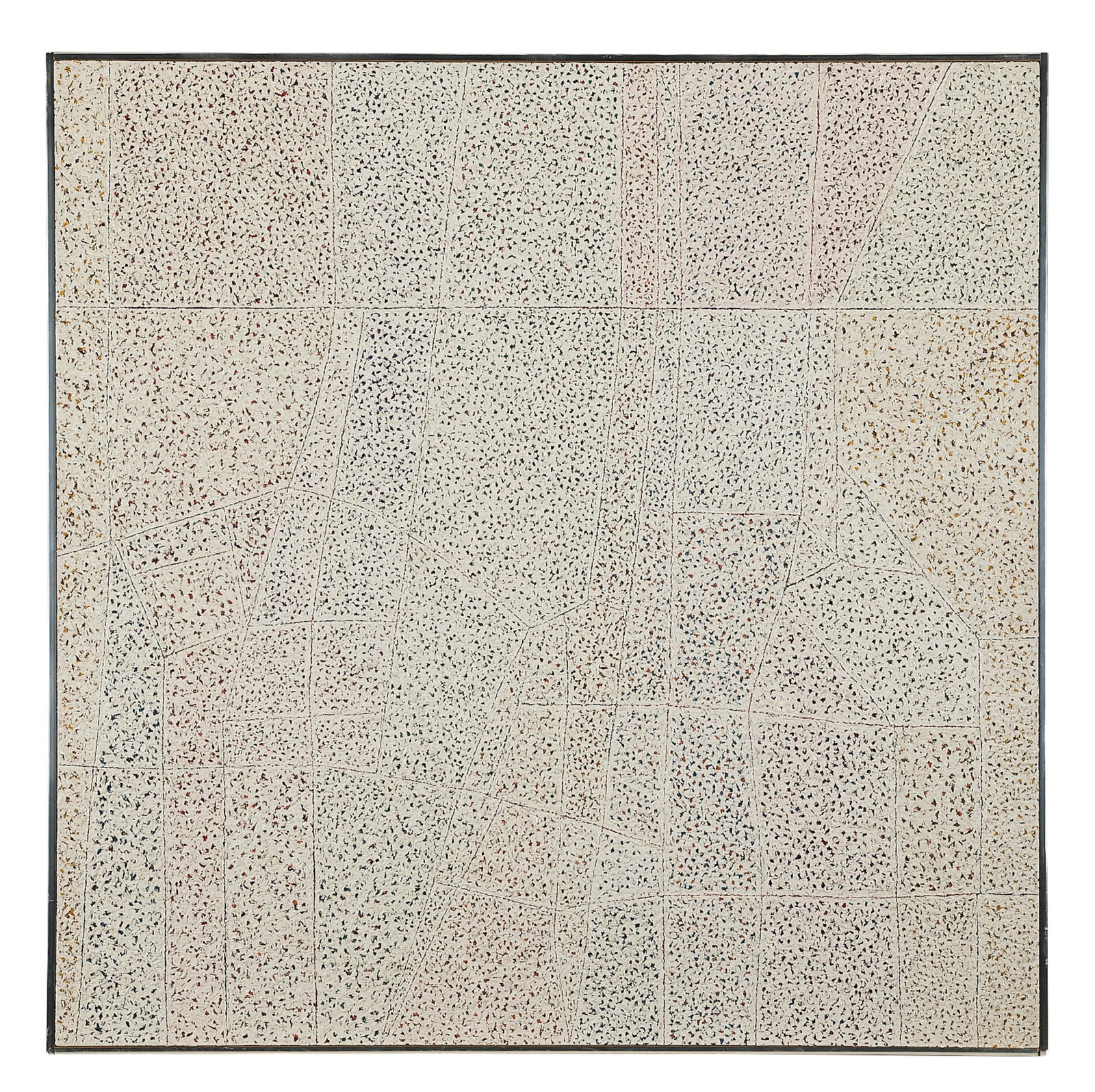 George Morrison "White Painting" 1975Sold For $450,000Artist Auction Record
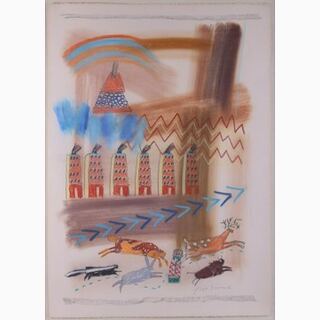 Jaune Quick-To-See Smith "Black Elk’s Dream" PastelSold For $36,000
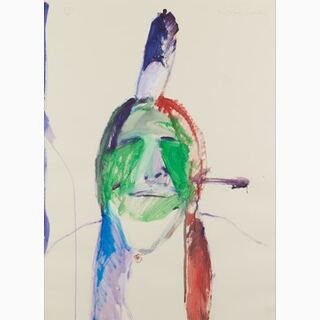 Fritz Scholder Native American Portrait PaintingSold For $28,000
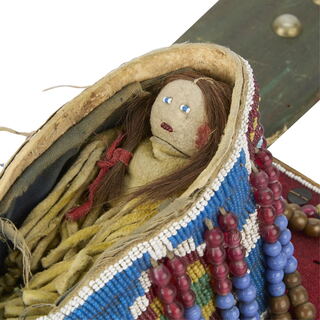 Plains Native American Beaded Cradleboard DollSold For $20,000
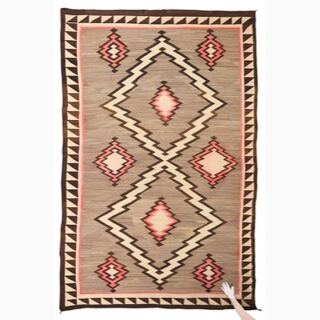 Large Navajo Crystal Wool Rug, 13’2"×8’9"Sold For $13,000
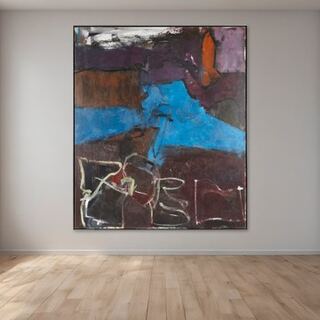 Grace Hartigan "Dublin" Oil Painting 1958-59Sold For $525,000
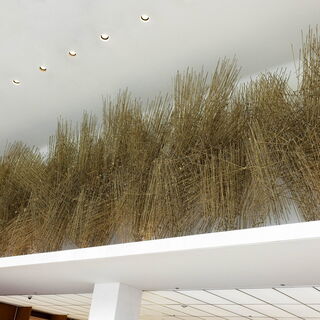 Monumental Harry Bertoia "Sunlit Straw" SculptureSold For $390,000
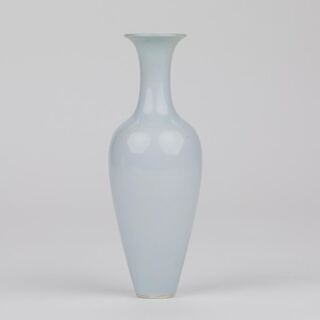 Chinese Clair-de-lune Porcelain Vase w/ Box, MarkedSold For $270,000