
Glass Paperweights
How to Identify and Value an Antique or Studio Paperweight
Interested in selling a work by glass paperweights?
Most glass paperweights are worth very little, and a small number are worth a great deal. That is the honest starting point, and it is why guessing from a photograph on the internet goes wrong so often: the objects at the two extremes look broadly similar to anyone who has not handled both.
What separates them is who made it, when, and how. This page covers what to look for. If after reading it you think you may have something, send photographs through our free auction estimate form — including one looking straight down through the dome and one of the base.
Why Are Glass Paperweights Collected?
The paperweight had a brief, intense golden age. Between roughly 1845 and 1860 three French glasshouses — Baccarat, Saint Louis and Clichy — produced weights of a technical standard that has never really been surpassed, and then largely stopped. Everything since is either an imitation of that period, a revival of it, or a deliberate departure from it.
The revival came in the twentieth century, first through makers like Paul Ysart in Scotland, then through the American studio artists who turned the form into contemporary sculpture. Those three worlds — the classic French period, the twentieth century revival, and the modern studio movement — are separate markets, and the first question about any weight is which one it belongs to.
How Do I Identify a Glass Paperweight?
Start with the base. Turn the weight over. A ground and polished concave base with a star-cut or a rough pontil mark suggests age or hand production; a flat, smooth, machine-finished base with a sticker suggests a modern factory piece. Many studio artists sign or date the base, and many classic weights carry a small dated cane set into the design.
Then look straight down through the dome. In a fine millefiori weight the canes are crisp, evenly spaced and set on a deliberate ground; in a poor one they are muddled and irregular. In a lampwork weight, look at whether the flower has been built petal by petal or moulded as one piece. Look for a signature cane — a tiny disc carrying initials or a maker’s device, hidden in the design. Finally, weigh it in your hand: the classic French weights are denser than people expect.
How Much Is My Glass Paperweight Worth Worth?
Several things determine what a work by Glass Paperweights brings at auction:
- Maker — by far the largest variable, and the reason two similar-looking weights can differ by a factor of a hundred
- Period — a classic-period French weight, a twentieth century revival piece and a modern studio work are three different markets
- Technique — millefiori, lampwork, sulphide and encased overlay all price differently, and complexity within each matters
- Signature or date cane — a legible maker’s cane or date cane transforms an attribution from a guess into a fact
- Condition — chips to the base rim, and scratches or bruises in the dome; heavy repolishing that has flattened the profile is a real problem
The honest answer is that no two are alike, and the difference between an ordinary example and an exceptional one is a conversation with a specialist, not a chart. Send us photographs through our free auction estimate form — front, back, signature, and any labels — and we will tell you what you have.
The Market for glass paperweights
The market is enormous by volume and modest by value. Tens of thousands of paperweights sell at auction in a typical few years and the great majority of them make double figures. That is not a reason to despair — it is a reason to have the object looked at rather than assuming either way.
The weights that do carry value are worth identifying properly, because they are usually sitting in a box with twenty that do not. We regularly sell paperweights in groups, which is the right approach for the ordinary ones, and individually when something in the group turns out to deserve it. Sorting one from the other is exactly the service.
How to Sell a Work by glass paperweights
The strongest results for a glass paperweight come at auction, where national and international collectors bid against each other. Revere Auctions offers free, no-obligation auction estimates: send photos and dimensions and our specialists respond with a current market valuation and a recommendation on how to sell. Consigned works are professionally photographed, cataloged, and marketed through our fine art auctions to a worldwide bidder base, and we regularly arrange shipping for consignors across the country. If you need a formal written valuation for insurance or estate purposes, our appraisal and valuation services team can help; you can also read more about how selling at auction works.
Related: studio art glass artists, our fine art department, appraisal services, free auction estimates.
Reviewed by the fine art specialists at Revere Auctions, St. Paul, Minnesota.
Glass Paperweights: Frequently Asked Questions
How can I tell if my paperweight is valuable?
Look at the base for a pontil mark, signature or date, and look down through the dome for crisp, deliberate cane work or finely built lampwork. Then send photographs to a specialist. Maker and period drive value more than appearance does.
What is millefiori?
Literally a thousand flowers: coloured glass canes fused into bundles, sliced into discs, and arranged in a pattern before being encased in clear glass. It is the classic paperweight technique.
Are modern paperweights worth anything?
Some are worth a great deal. The American studio artists and the best twentieth century makers produce work that far exceeds most antique weights in value. Age alone is not the test.
Should paperweights be sold individually or as a group?
Both, depending on what they are. Ordinary weights sell well in groups; anything with a named maker or a classic-period attribution should be catalogued on its own. We sort that out as part of the estimate.
Interested in purchasing a a glass paperweight work?
If you would like to learn more about the value of your a glass paperweight works, contact us today for a free auction estimate.
Exceptional Results
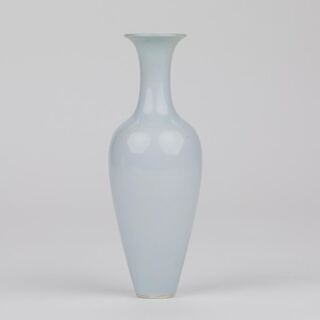 Chinese Clair-de-lune Porcelain Vase w/ Box, MarkedSold For $270,000
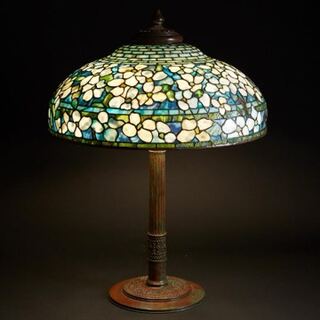 Tiffany Studios Leaded Glass and Bronze "Dogwood" LampSold For $60,000
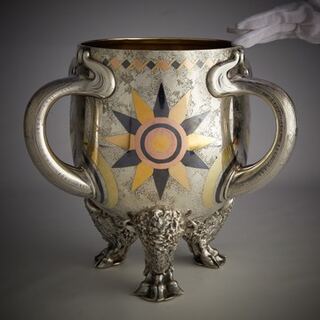 Large Tiffany Sterling Trophy Cup, 83.21 Troy ozSold For $44,000
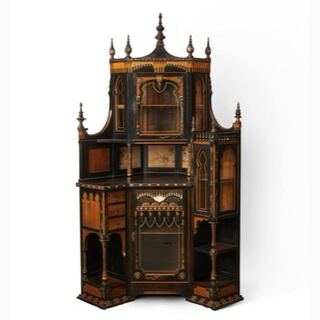 Carlo Bugatti Monumental Corner CabinetSold For $40,000
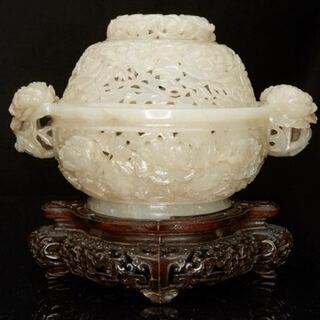 18th c. Chinese Reticulated Jade Censer with StandSold For $34,000
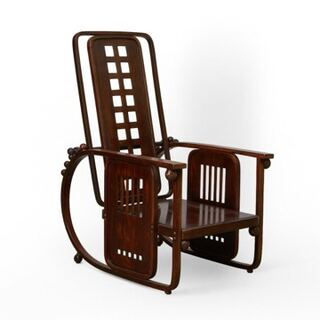 Joseph Hoffmann for Kohn "Sitzmaschine" ChairSold For $15,000
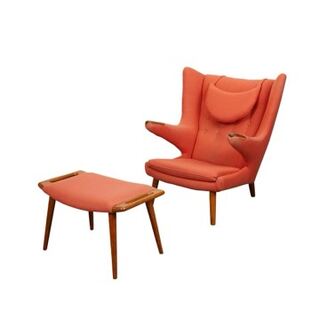 Hans Wegner AP Stolen "Papa Bear" Chair & OttomanSold For $15,000
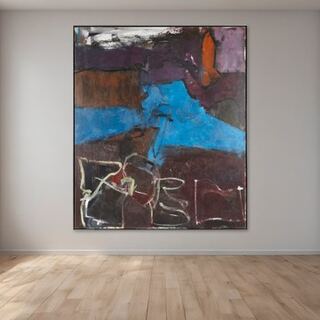 Grace Hartigan "Dublin" Oil Painting 1958-59Sold For $525,000