
Studio Art Glass Artists
Values, History & How to Sell
Interested in selling a piece of studio art glass?
In 1962, in a garage behind the Toledo Museum of Art, a ceramics professor and a retired glass scientist melted glass in a small homemade furnace and proved that an artist could work it alone, without a factory. Almost everything in this section of the market descends from that week. The artists who followed turned an industrial material into sculpture, and the best of their work now sells for many times what a decorative vase brings.
Revere Auctions is a fine art auction house, and studio glass is fine art. If you own a signed piece by any of the artists below, or something you suspect is one, send photographs through our free auction estimate form and our specialists will respond with an honest valuation.
What Is Studio Glass?
Studio glass is glass made by an artist, in an artist’s own studio, as a work of art rather than a product. The distinction matters commercially. A decorative glass vase from a factory is a decorative object. A signed, dated, one-off sculpture by a named artist is a work of art, and it is catalogued, researched and bid on as one.
The movement began in the United States in 1962 and spread quickly through university programs, then through schools like Pilchuck in Washington and Penland in North Carolina. Within twenty years American artists were learning centuries-old Venetian technique directly from Murano maestri, and within forty the field had produced work in the permanent collections of most major American museums. Our fine art department handles it as fine art, not as bric-a-brac.
If you are trying to work out whether what you own belongs in this category, the quickest test is the signature. Studio artists sign, and most date. Read the history of the movement for the names that started it.
The Artists
Each of these has its own page: who the artist is, what they made, what drives their market, and how to sell a piece.
- Dale Chihuly
- Jon Kuhn
- Harvey Littleton
- John Littleton & Kate Vogel
- William Morris
- Stephen Rolfe Powell
- Toland Sand
- Preston Singletary
- Paul Stankard
- Lino Tagliapietra
- Toots Zynsky
- The Lotton family
The list is not exhaustive and it is not a ranking. Artists we have not written up — Dan Dailey, Dante Marioni, Richard Marquis, Christopher Ries, Michael Glancy, Emily Brock, Richard Jolley, Mark Peiser, Dominick Labino, Dino Rosin and many more — are handled by the same department. When in doubt, send photographs and ask.
Paperweights & Techniques
The paperweight is the oldest continuously collected form in glass, and the modern studio paperweight is one of the most technically demanding things anyone makes. These pages cover the makers, the classic nineteenth-century French houses, and the techniques whose names appear in every catalogue description.
How Much Is My Studio Glass Worth?
It depends far more on who made it than on how it looks. Two pieces of similar size and colour can be separated by a factor of a hundred by the signature alone. The factors that recur:
- The artist — the single largest variable, by a wide margin
- Signature and date — most studio artists sign and date; an unsigned piece is a research problem before it is a valuation
- Series — most of these artists worked in named series, and collectors pay very differently across them
- Scale and ambition — a major exhibition piece and a small studio work are different markets
- Condition — glass chips and scratches, and cold-worked optical surfaces show every mark
- Provenance — a documented gallery or exhibition history can move a piece into a different bracket, which is why we wrote a whole page on gallery provenance
You do not need to work any of that out yourself. Photograph the piece, the signature on the base, and any labels or paperwork, and send them through the free estimate form. Identification is our job.
How to Sell Studio Art Glass
The strongest results for a piece of studio art glass come at auction, where national and international collectors bid against each other. Revere Auctions offers free, no-obligation auction estimates: send photos and dimensions and our specialists respond with a current market valuation and a recommendation on how to sell. Consigned works are professionally photographed, cataloged, and marketed through our fine art auctions to a worldwide bidder base, and we regularly arrange shipping for consignors across the country. If you need a formal written valuation for insurance or estate purposes, our appraisal and valuation services team can help; you can also read more about how selling at auction works.
Related: our fine art department, appraisal services, Dale Chihuly, favrile art glass, Louis Comfort Tiffany, Murano glass, Austrian art nouveau glass.
Reviewed by the fine art specialists at Revere Auctions, St. Paul, Minnesota.
Selling Studio Art Glass: Frequently Asked Questions
What is studio art glass?
Glass made by an artist in their own studio as a unique work of art, rather than manufactured as a product. The movement began in the United States in 1962 and now has work in the permanent collections of most major American museums.
How do I find out what my studio glass is worth?
Send photographs of the piece, the signature on the base, and any gallery labels or paperwork to Revere Auctions through the free auction estimate form. Our specialists identify the artist and series and respond with an honest valuation at no charge.
Where do studio glass artists sign their work?
Almost always on the base, usually engraved or diamond-scribed, and usually with a date. Some artists add a series name or an edition number. A signature that is hard to read is normal and is exactly the kind of thing to photograph and send to a specialist.
Why sell studio glass at auction?
Because the buyers are specific people. Studio glass has a national collector base that follows particular artists and particular series, and auction puts a piece in front of all of them at once. Competitive bidding among people who know the artist is how these works find their real level.
Do you handle glass by artists not listed here?
Yes. Our fine art department values and sells studio glass of every kind, along with Tiffany, Murano, French cameo and art nouveau glass. When in doubt, send photographs.
Interested in purchasing a a piece of studio art glass work?
If you would like to learn more about the value of your a piece of studio art glass works, contact us today for a free auction estimate.
Exceptional Results
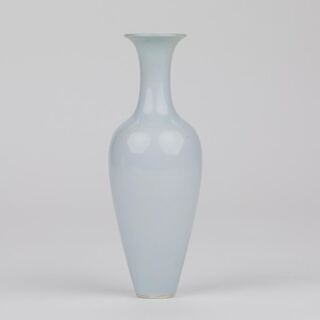 Chinese Clair-de-lune Porcelain Vase w/ Box, MarkedSold For $270,000
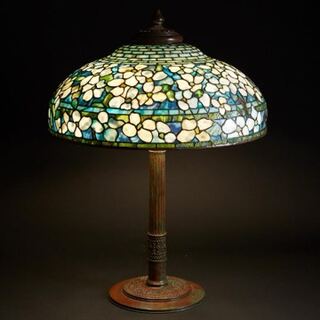 Tiffany Studios Leaded Glass and Bronze "Dogwood" LampSold For $60,000
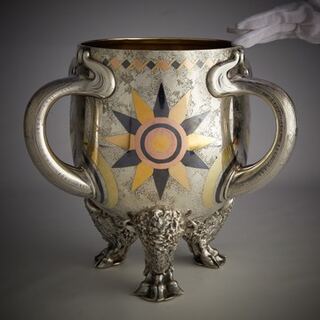 Large Tiffany Sterling Trophy Cup, 83.21 Troy ozSold For $44,000
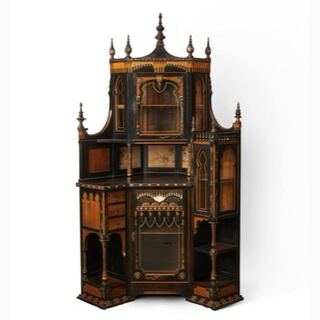 Carlo Bugatti Monumental Corner CabinetSold For $40,000
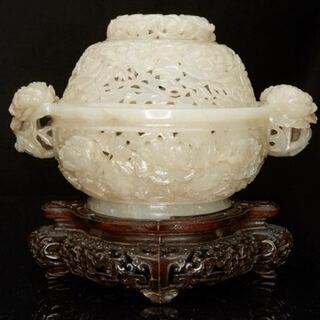 18th c. Chinese Reticulated Jade Censer with StandSold For $34,000
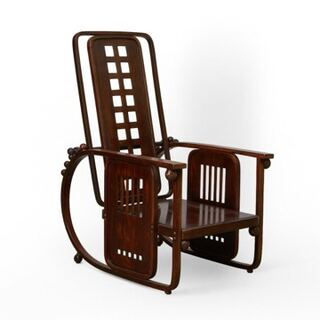 Joseph Hoffmann for Kohn "Sitzmaschine" ChairSold For $15,000
 Hans Wegner AP Stolen "Papa Bear" Chair & OttomanSold For $15,000
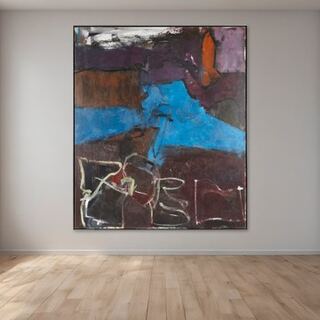 Grace Hartigan "Dublin" Oil Painting 1958-59Sold For $525,000